India to Conduct Two-Phase Nationwide Census in 2027, Cabinet Approves ₹11,718 Crore Budget
Cabinet
India will conduct a nationwide census in 2027 in two phases. The Union Cabinet has approved ₹11,718 crore for the massive exercise, aiming for accurate population and socio-economic data.
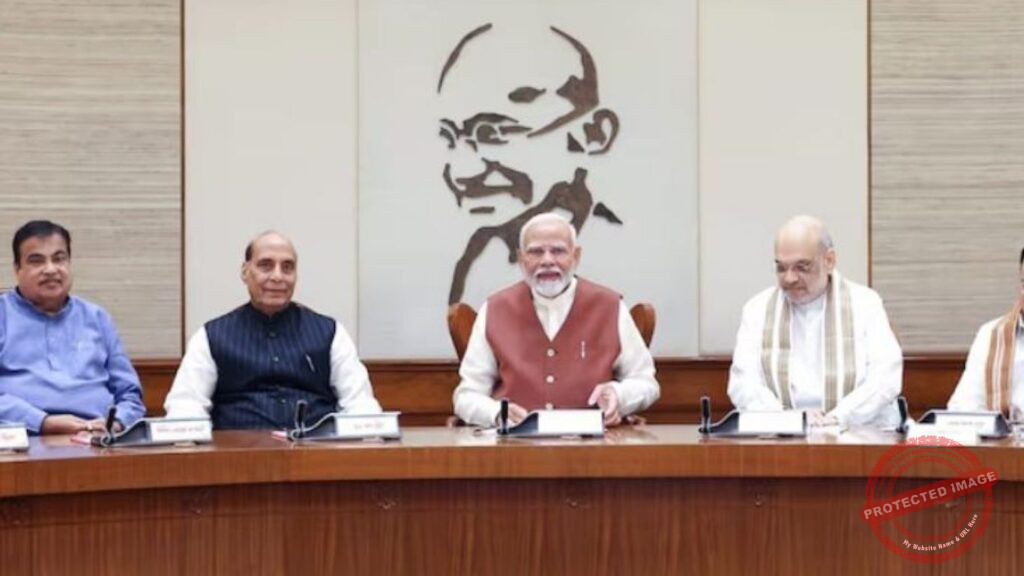
New Delhi, December 12, 2025 – India is preparing for one of its largest administrative exercises as the Union Cabinet has approved the conduct of the next nationwide census in 2027. The Cabinet meeting held in New Delhi cleared a detailed plan for the two-phase exercise and sanctioned a budget of ₹11,718 crore to support the extensive operations required for the national count. The announcement marks a significant step toward updating the country’s demographic and socio-economic records, which play a crucial role in planning and governance.
The census, traditionally conducted every ten years, was delayed due to the pandemic and logistical challenges, making the 2027 operation especially important. Officials said the exercise will take place in two stages to ensure precision, reduce duplication and ensure that even remote communities are covered. The phased approach also allows better management of resources, movement of survey teams and verification of data before final compilation.
A major component of the approved budget will go toward strengthening digital infrastructure. The government aims to incorporate upgraded tools for data collection, field-level monitoring and secure storage. Training for thousands of enumerators and supervisors will focus on digital survey methods, ensuring a smoother and more reliable process. Authorities believe that the shift toward technology will reduce errors and speed up analysis once the fieldwork concludes.
The census will gather detailed information on population size, age distribution, literacy, employment, housing conditions and various socio-economic indicators. This data forms the backbone of national policy and influences decisions on welfare schemes, health programs, education planning, infrastructure development and parliamentary seat delimitation. Experts note that accurate census data is essential for resource allocation and long-term national strategy.
Government officials said that preparations will begin well in advance, including coordination with state administrations, district authorities and local bodies. Awareness campaigns will be rolled out to encourage public participation, as cooperation from citizens remains a critical element of any census. Officials emphasise that the data collected will remain confidential and will be used strictly for statistical purposes.
The announcement has drawn attention from policy analysts who see the 2027 census as an opportunity to gauge post-pandemic demographic shifts, changes in migration patterns and their impact on labour markets. Rural-urban transitions, housing growth, and economic mobility are expected to be key focus areas. Many experts believe the new census will provide essential insights for shaping India’s development agenda for the next decade.
Opposition parties have welcomed the update but have stressed the need for transparency and accuracy. They have urged the government to ensure adequate training, fair supervision and rigorous checks so that the final data reflects the country’s true socio-economic structure. Civil-rights groups have also called for clarity on digitisation measures and safeguards to protect citizens’ personal information.
With the approval now in place, the government will soon issue detailed guidelines and operational timelines. The coming months will see large-scale planning, recruitment and testing of digital systems ahead of the 2027 rollout. As India moves toward this crucial national exercise, expectations are high that the new census will deliver comprehensive and actionable data for future governance.