India’s Life Expectancy Rises to 74, Falling Fertility May End ‘Young Nation’ Advantage by 2036: RBI Report
Young Nation
RBI report highlights rising life expectancy and declining fertility in India, warning demographic advantage may fade by 2036 as ageing population grows, impacting economy and state finances.
Pune | 29 March, 2026: India’s average life expectancy has risen to 74 years, but a simultaneous decline in fertility rates is expected to significantly alter the country’s demographic profile in the coming decade, according to a recent report by the Reserve Bank of India (RBI).
The report cautions that India’s status as a “young nation” may persist only until 2036, after which the proportion of elderly citizens is projected to increase rapidly. This demographic transition could have far-reaching implications for economic growth, particularly impacting the country’s Gross Domestic Product (GDP).
Titled State Finances: A Study of Budgets, the report provides a comprehensive analysis of the fiscal health of Indian states for the period 2023–2026. Prepared by the State Finances Division under RBI’s Department of Economic and Policy Research, the study examines structural challenges and emerging risks linked to demographic shifts.
One of the key concerns highlighted is the shrinking tax base in several states, coupled with rising “committed expenditure” such as salaries, pensions, and interest payments. These obligations are placing increasing pressure on state finances, limiting their fiscal flexibility and ability to invest in growth-oriented sectors.

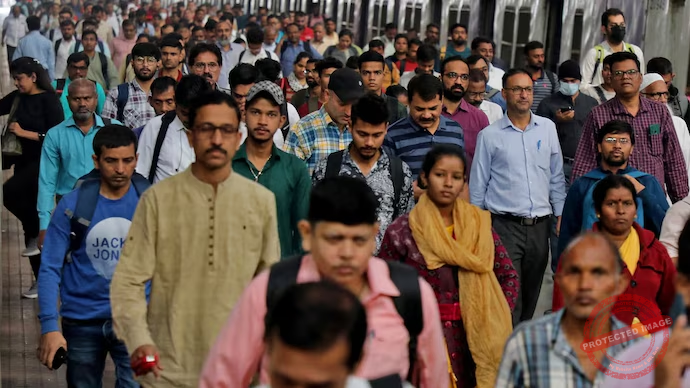
The report notes that India, with a population exceeding 1.4 billion and a median age of around 28 years, is currently at a demographic sweet spot, with a large working-age population. This so-called “demographic dividend” is expected to remain stable until 2036, providing a crucial window for economic expansion.
However, the benefits of this phase are not uniform across states. Regions with a higher proportion of young people have the opportunity to invest in human capital, including education, healthcare, and skill development, to maximise productivity and economic output. On the other hand, states that are already experiencing demographic ageing will need to prioritise healthcare infrastructure, pension systems, and labour market reforms.
For states in transition, the RBI suggests a balanced approach-continuing development initiatives while simultaneously preparing for an ageing population. This includes strengthening social security systems and ensuring sustainable fiscal policies.
The report also underscores the importance of improving revenue generation capacity. As demographic changes reduce the growth rate of the working population, tax revenues may face constraints, making it essential for states to explore alternative revenue streams and enhance efficiency in public spending.
Experts believe that timely policy interventions can help India navigate this transition effectively. Investments in technology, innovation, and workforce participation-particularly among women-could offset some of the economic challenges posed by an ageing population.
The findings serve as a wake-up call for policymakers to act proactively. While India still has a limited window to capitalise on its demographic advantage, failure to prepare for the inevitable shift could slow economic momentum in the years ahead.
Follow us On Our Social media Handles :
Instagram
Youtube
Facebook
Twitter
Also Read- Pune