India’s reduced purchase of Russian oil disrupts global supply balance and pushes up prices
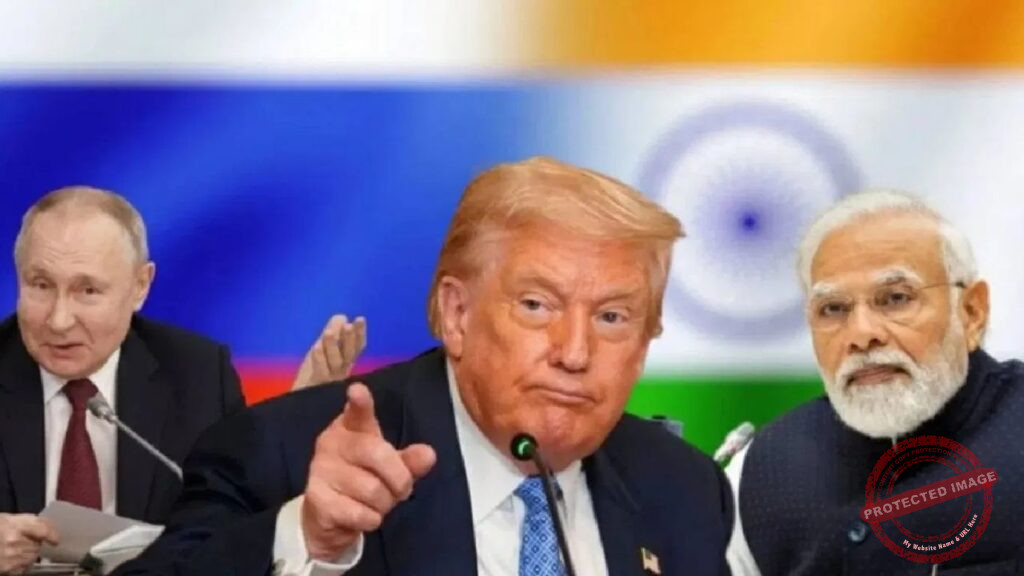
India
India’s move to sharply cut Russian oil imports due to new sanctions has disrupted global trade flows, increased energy costs, and forced refiners to seek alternate crude sources.
New Delhi, November 27, 2025 – India’s decision to scale back crude oil imports from Russia has sent shockwaves through the global energy market, unsettling trade routes and pushing up fuel prices. The shift began when major Russian producers came under new sanctions, leading top Indian refiners to pause or reduce purchases. Reliance Industries, one of the largest importers of Russian crude, announced that its SEZ refinery would stop processing Russian oil from late November, a development that immediately changed market expectations.
For nearly three years, discounted Russian crude had helped India manage domestic fuel prices and maintain stability despite global volatility. The sudden drop in these imports has forced refiners to turn to suppliers in the Middle East, the United States and Africa to fill the gap. These alternative grades come at higher prices, which analysts say will inevitably increase India’s overall import bill.
The impact of this decision is visible far beyond India. With one of the world’s biggest buyers stepping back from Russian shipments, competitors are now chasing the same supply from non-Russian sources. This added pressure has pushed crude prices up internationally, creating a ripple effect across Asia and Europe. Market trackers say the change is likely to remain volatile in the coming months as refiners adjust to new trade patterns.
For consumers in India, the situation is concerning. Fuel prices had remained relatively stable due to the availability of cheaper Russian barrels. Without that cushion, petrol and diesel rates may rise, and higher transportation costs could feed inflation. Economists warn that sectors dependent on logistics — including food supply, manufacturing and e-commerce — may feel the strain first.
Government officials have not declared a complete halt in Russian oil imports, but the sharp decline suggests a strategic shift. The move also follows diplomatic pressure linked to evolving global alignments. India has tried to balance its long-standing relations with Russia while also navigating sanctions and maintaining trade access with Western partners. The current scenario shows how delicate this balance has become.
Energy experts believe that India will continue diversifying its crude basket, but replacing discounted Russian supplies entirely will be costly. They also note that the country’s refineries had adapted well to processing Russian oil, and shifting away so suddenly could require technical adjustments as refiners switch to different grades.
Meanwhile, oil-producing nations in the Gulf are expected to benefit from increased Indian demand. Some have already begun negotiating long-term supply contracts to secure their share of the market. The rise in demand from India could also reshape regional geopolitical equations, strengthening trade partnerships that had been relatively steady for years.
The coming weeks will reveal how quickly refiners can stabilise supply lines and whether fuel prices can be controlled. What is clear is that India’s reduced reliance on Russian crude has reshaped the energy landscape almost overnight, creating uncertainty for markets, governments and consumers alike. The long-term effects will depend on global diplomatic movements, supply-chain adjustments and how both nations recalibrate their energy relationship.