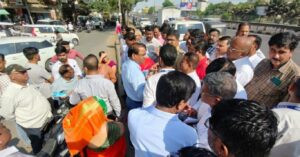
LPG Supply Concerns Rise as Households May Receive Only 10 kg in 14 kg Cylinders
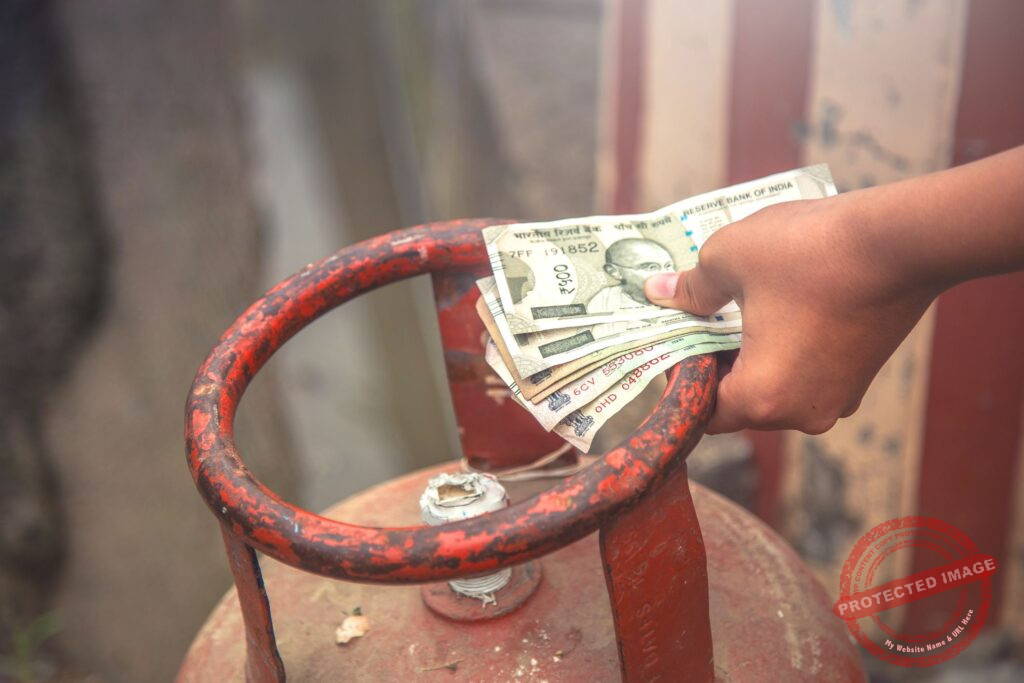
LPG Gas
Amid global supply disruptions, India may reduce LPG refill quantity in domestic cylinders to 10 kg, raising concerns among consumers over availability, pricing, and cooking fuel security.
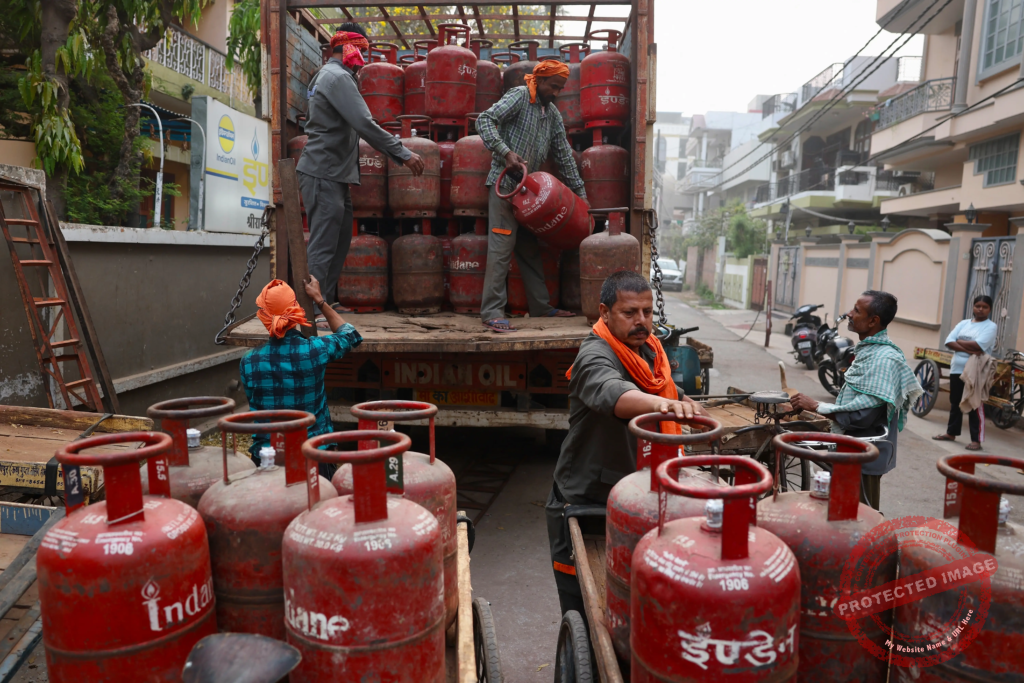
March 23 | Pune India is witnessing growing concerns over domestic LPG supply as authorities and oil companies consider reducing the refill quantity in standard 14.2 kg cylinders to around 10 kg amid an ongoing import crisis. The move is being explored as a temporary measure to manage limited supplies and ensure wider distribution among households.
The potential change comes in the backdrop of global energy disruptions linked to escalating tensions in West Asia, which have impacted fuel shipments through key maritime routes. India, which relies heavily on LPG imports, is facing supply constraints that have begun to affect availability across several regions. Industry sources indicate that oil marketing companies are evaluating the option of supplying reduced quantities in existing cylinders instead of introducing new smaller cylinders. This would allow authorities to stretch available stock and reach a larger number of consumers during the crisis.
However, the proposal has triggered concern among both consumers and distributors. Households fear increased frequency of refills and higher overall costs, while LPG dealers have expressed uncertainty over logistics and operational challenges in implementing such a shift. In Maharashtra, the government has already initiated precautionary measures to ensure uninterrupted supply of cooking gas. Priority distribution systems have been introduced, with essential services such as hospitals and schools receiving preference in case of shortages.
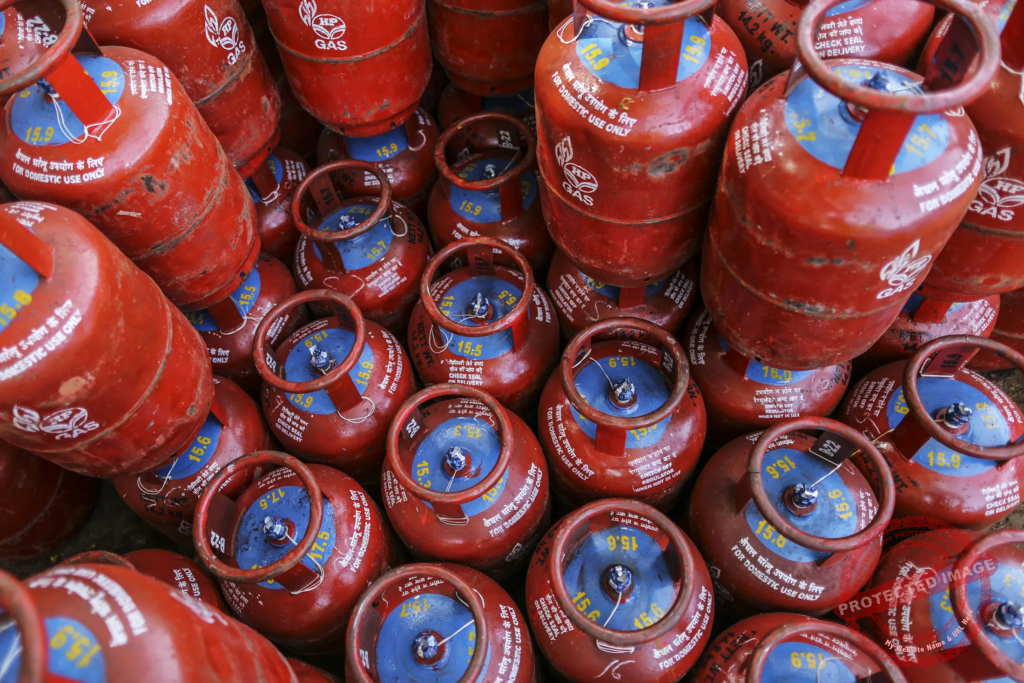
Authorities have also intensified monitoring of LPG distribution to prevent hoarding, black marketing, and artificial shortages. Officials have urged citizens not to panic, assuring that steps are being taken to maintain stable supply and avoid disruptions. Despite reassurances, the situation remains fluid as geopolitical developments continue to influence global energy markets. Experts warn that prolonged instability could further strain supply chains, making conservation and efficient distribution critical in the coming weeks. As India navigates the evolving energy crisis, policymakers are focused on balancing supply constraints with public demand, while ensuring that essential needs are met without major disruption
Follow us On Our Social media Handles :
Instagram
Youtube
Facebook
Twitter
Also Read- Pune