Maharashtra Approves River Rejuvenation Authority to Tackle Pollution Across Major Rivers
Maharashtra Approves River Rejuvenation Authority to Tackle Pollution Across Major Rivers
The state cabinet has approved the formation of a dedicated authority to restore polluted rivers, targeting 54 identified stretches through coordinated planning, regulation, and large-scale rejuvenation projects.
Mumbai | April 2 2026: In a significant policy move aimed at addressing rising river pollution, the Maharashtra government has approved the establishment of a State River Rejuvenation Authority to oversee conservation and restoration efforts across major river systems.
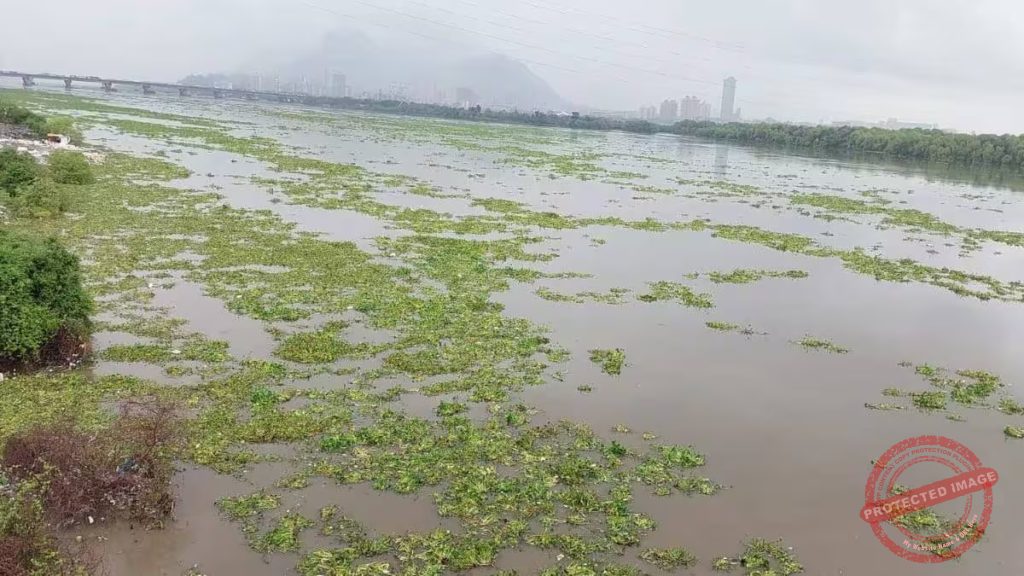
The decision comes against the backdrop of growing environmental concerns, with Maharashtra accounting for the highest number of polluted river stretches in the country. As per official data, 54 such critically affected stretches have been identified across key rivers, prompting the need for a centralized and empowered institutional mechanism.
The proposed authority will function as both a regulatory and developmental body, tasked with implementing comprehensive river rejuvenation strategies. It will serve as the nodal agency for planning, coordination, and execution of projects aimed at improving water quality and restoring ecological balance.
Several major rivers have been included under the ambit of this initiative, including the Mula-Mutha River, Chandrabhaga River, and Panchganga River, along with others such as Mithi, Kalu, Bhima, Pavana, Mutha, and Nag rivers. These rivers have been facing increasing pollution due to untreated sewage, industrial discharge, and urban encroachments.
Officials stated that the authority will play a key role in preparing and implementing river basin management plans. These plans will focus on pollution control, sustainable water usage, and long-term ecological restoration. The body will also be responsible for addressing issues related to land acquisition, removal of encroachments, power supply coordination, and contractual matters linked to riverfront and treatment projects.
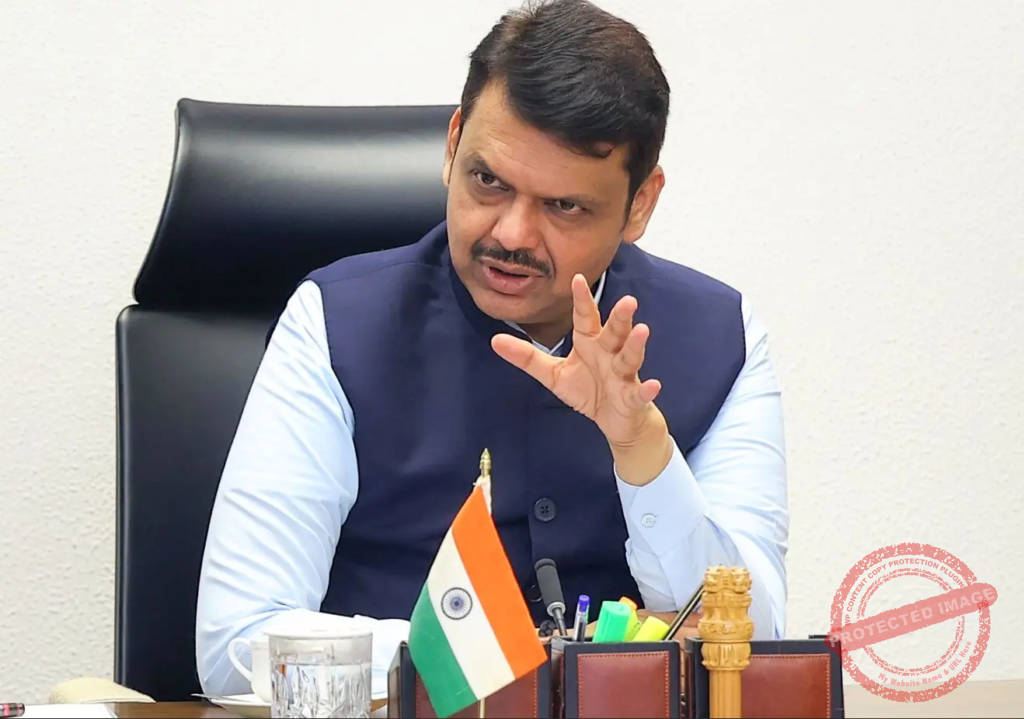
The governance structure of the authority will include a state-level executive committee chaired by the Environment and Climate Change Minister. A dedicated secretariat will support its functioning, while the department’s secretary will serve as the member secretary, ensuring administrative continuity and coordination.
Experts note that fragmented implementation and lack of coordination among multiple agencies have historically hindered river conservation efforts. The creation of a unified authority is expected to streamline decision-making and accelerate project execution.
The initiative also aligns with broader environmental priorities, including improving urban water management and reducing health risks associated with polluted water bodies. Cities like Pune and Mumbai, where rivers such as Mula-Mutha and Mithi have long been under environmental stress, are expected to benefit significantly from the intervention.
While the formation of the authority marks an important step, its effectiveness will depend on sustained funding, inter-agency coordination, and strict enforcement of pollution control norms. Environmentalists have also emphasised the need for community participation and transparency in implementation.
The state government’s move signals a more structured and institutional approach to river conservation, with the potential to address long-standing pollution challenges across Maharashtra’s key waterways.
Follow us On Our Social media Handles :
Instagram
Youtube
Facebook
Twitter
Also Read- Pune