Maharashtra issues new rule — captured monkeys must be released at least 10 km from human habitations
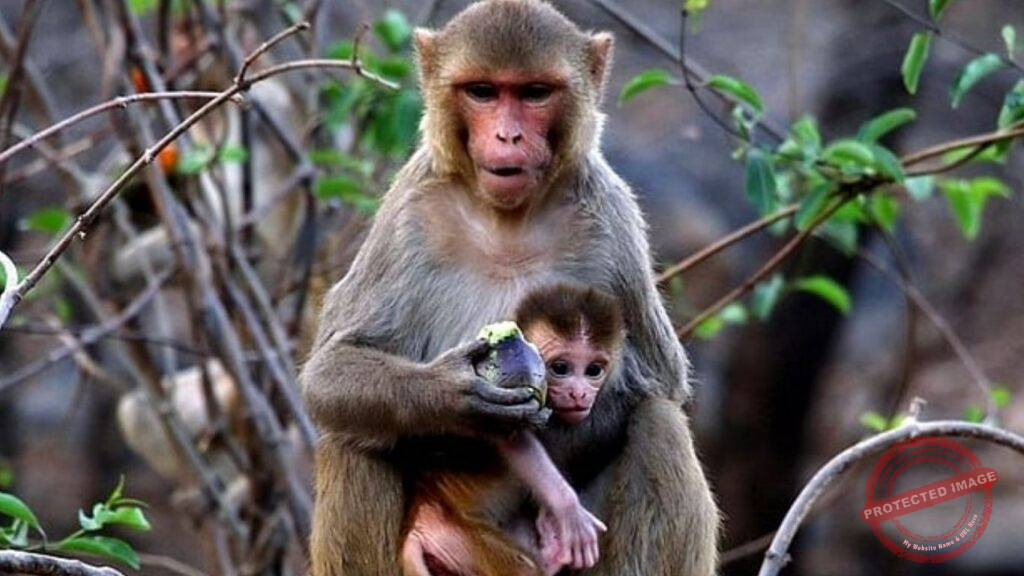
To curb human-monkey conflict, Maharashtra Forest Department orders all captured monkeys to be released at least 10 km from settlements, with vet-checks and proper documentation.
Pune, 27 November 2025: Maharashtra has announced a new directive to address rising human–monkey conflicts across its urban and rural areas. Under the updated Standard Operating Procedure (SOP), any monkey captured for causing trouble in habitations must be released at least 10 kilometres away from the nearest human settlement. This move aims to reduce repeated incursions by macaques and langurs who often return in search of food or shelter.
In recent months, complaints have surged about monkeys entering homes, vandalizing property, raiding garbage bins, damaging crops and occasionally injuring residents. In response, the government issued a Government Resolution (GR) on 25 November 2025 to formalize a unified rescue and relocation protocol applicable across the state.
Under this directive, when a local body — whether a municipal corporation or a gram panchayat — receives a complaint, it must first document the incident. Then the concerned forest range officer visits the site to verify details: number and species of monkeys involved, extent of damage, and urgency of removal. Once verified, trained rescue teams under each forest division are authorized to carry out the capture. Where necessary, licensed and experienced handlers may also be appointed.
Captured monkeys undergo immediate medical examination. For transparency and animal welfare, authorities must photograph and video-record each individual before relocation. Only after this documentation can the animals be transported — and they must be released into a forested area located at least 10 km from any human habitation.
To encourage prompt and humane action, the GR also sets a compensation scheme for rescuers: ₹600 per monkey for the first ten captured in a single operation, ₹300 per monkey thereafter, with a cap of ₹10,000 per operation. Smaller efforts involving up to five animals attract an additional travel allowance of ₹1,000. Payments are to be made via direct benefit transfer after official verification.
This regulation marks a shift away from past practices where captured monkeys were sometimes released close to human settlements — often resulting in return visits and recurring complaints. By mandating a definitive buffer zone, the state aims to break the cycle of displacement and repeated nuisance.
Beyond immediate relief to residents of affected colonies, markets, farmlands and dense housing societies, the SOP also indicates a more structured approach to wildlife-human coexistence. Wildlife experts and forest officials have long called for transparent, humane, and sustainable methods to handle nuisance animals, cautioning against ad-hoc trapping or relocating without long-term planning. The new rule aligns with such demands, balancing citizen safety and animal welfare.
That said, challenges remain. As urban sprawl expands around cities like Pune, Mumbai and Nagpur, finding suitably distant forest zones may get increasingly difficult. Dense urbanization often leaves limited undisturbed forest patches within 20–30 km radius. With multiple requests coming from different localities, authorities may struggle to identify adequate release sites.
Furthermore, relocation should be complemented by habitat management and awareness — merely shifting the animals may not deter their return if food sources remain accessible. Experts suggest that controlling open garbage, restricting intentional feeding, managing fruit-bearing trees near human habitations and improving trash disposal are equally important. Without such measures, monkeys may continue to stray in search of nourishment, regardless of relocation efforts.
In addition, monitoring post-release becomes critical to ensure the monkeys adapt well and do not create new problems elsewhere. Forest bodies may need to track relocated troops to assess their behaviour, health status and impact on the ecosystem — especially if released into already inhabited forests.
Follow us On Our Social media Handles :
Instagram
Youtube
Facebook
Twitter
Also Read- Pune