Maharashtra Orders Removal of Stray Dogs from Sensitive Public Spaces After SC Directive
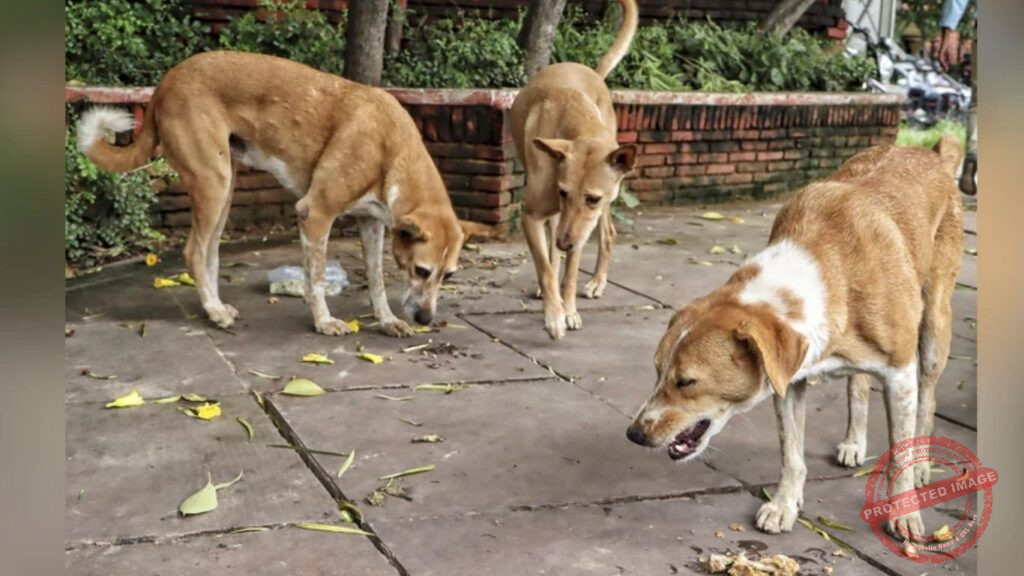
Maharashtra government orders civic bodies to remove stray dogs from hospitals, schools and bus-stands, set up shelters, helpline after Supreme Court direction.
Pune | November 25, 2025: Maharashtra has initiated a coordinated state-level action plan to remove stray dogs from sensitive public spaces after receiving detailed directives from the Supreme Court. The move follows rising concerns over public safety, escalating dog-bite incidents, and the need for a clear regulatory framework that protects both citizens and animals.
According to the instructions issued to all municipal corporations, councils, and local bodies, authorities must immediately begin identifying high-risk zones where the presence of stray dogs poses a danger to children, elderly citizens, and daily commuters. These areas include hospitals, schools, anganwadis, courts, government offices, markets, religious sites, bus stands, and other crowded public spaces.
Officials have been instructed to work with designated animal welfare organisations to ensure safe capture, transportation, and relocation of the animals. The state has emphasised that while public safety is the priority, the process must comply with established animal protection norms. Local authorities must create a detailed register documenting the number of dogs removed, their health conditions, and the locations where they are relocated.
The Supreme Court’s recent directions came amid repeated complaints from multiple states about growing stray dog populations in urban centres. In its order, the Court noted the alarming rise in dog-bite cases and asked state governments to take measurable steps to safeguard citizens, especially in densely populated neighbourhoods.
In response, the Maharashtra administration has asked district collectors, police authorities, and civic chiefs to monitor the execution of the plan on a weekly basis. A dedicated reporting mechanism is also being created to track progress and ensure uniform action across the state.
Animal welfare experts have highlighted the importance of balancing humane treatment with risk mitigation. They argue that relocating dogs without addressing the root causes—poor waste management, lack of sterilization, and uncontrolled feeding in public spaces—may only offer temporary relief. Civic officers have acknowledged the concern and stated that sterilization, vaccination, and waste control policies will be strengthened alongside the current action plan.
For urban residents, the directive brings hope of safer public spaces, especially in cities where morning walkers, students, and delivery personnel have frequently reported being chased or attacked by stray dogs. However, animal rights groups have sought clarity on long-term rehabilitation plans for the relocated animals, urging the government to avoid overcrowding shelters or placing dogs in unsafe conditions.
The state government has assured that detailed guidelines for animal shelters, monitoring committees, and public feedback systems will be announced soon. The overarching aim is to create a sustainable model that reduces dog-human conflict while maintaining ethical standards.
Follow us On Our Social media Handles :
Instagram
Youtube
Facebook
Twitter
Also Read- Pune