Mahayuti Nears Final Seat Sharing Formula for BMC Election; Party Likely to Get Highest Share Revealed
Mahayuti
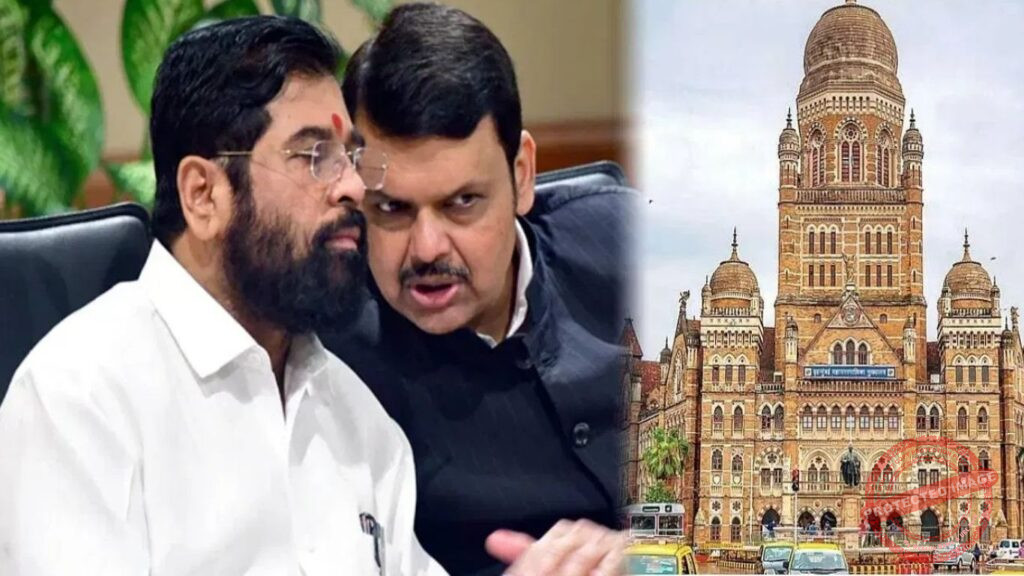
The Mahayuti alliance in Mumbai is close to finalising its seat sharing plan for the BMC election, with one party expected to secure the largest number of seats.
Mumbai, December 12, 2025 – The Mahayuti alliance in Maharashtra is close to completing its seat sharing formula for the upcoming Brihanmumbai Municipal Corporation election. Senior leaders from the alliance partners have held several rounds of discussions and are said to be in the final stages of allocating seats among the member parties. The arrangement is expected to reflect each party’s strength, influence in specific wards and past electoral performance.
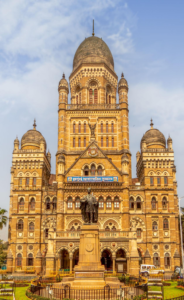
The BMC election is one of the most high-stakes political contests in the state, given Mumbai’s scale and the corporation’s massive budget and administrative authority. With 227 seats up for grabs, the final seat sharing formula will determine how effectively the alliance can challenge its rivals and consolidate power in the city’s civic administration.
Sources familiar with the negotiations say one of the major parties within the alliance is expected to receive the largest number of seats. Leaders believe this distribution will help the alliance present a unified and competitive front, especially in key urban areas where voter expectations are high. The plan has been framed after analysing demographic patterns, voting history and zone-wise organisational strength.
Talks have also focused on avoiding internal conflicts by giving each partner a fair share that reflects its influence. Alliance leaders want to ensure that all parties feel represented and motivated, as smooth coordination among workers on the ground will be essential in a closely contested election. Once the seat allocation is finalised, candidate selection will begin immediately in order to give campaign teams enough time to connect with voters.
Opposition parties have criticised the alliance for what they call a power-centric approach, arguing that voters want clear plans for improving civic services rather than political arithmetic. Alliance leaders counter that cooperation is essential to bring stability to the BMC and that a strong collective mandate will help accelerate development initiatives.
Mumbai residents are watching the developments closely as civic issues continue to dominate public discussions. Infrastructure maintenance, water management, road safety, waste disposal and health facilities remain key concerns. The alliance aims to frame its campaign around improved delivery of these essential services, along with long-term planning for a rapidly growing city.
Political analysts say the near-final seat sharing formula will shape the tone and direction of the campaign. The distribution will determine where each party allocates resources, deploys its leaders and targets voter outreach. They also note that alliances perform best when internal coordination is strong and candidates are chosen based on local credibility rather than party hierarchy alone.
Alliance leaders have stated that the official announcement of the seat sharing agreement will be made soon. Once released, they plan to launch joint rallies and public meetings to highlight their collective vision for Mumbai. Party strategists are confident that a united front will give them a strong advantage in a civic election where margins can be tight and voter loyalty varies from ward to ward.
As the election approaches, political momentum is building across the city. The Mahayuti partners are hoping that their near-finalised formula will set the stage for a cohesive campaign that appeals to voters across diverse neighbourhoods. With the stakes higher than ever, the upcoming BMC election is shaping up to be one of the most closely watched political contests in the state.