MIDC Builds 35-Km Alternate Road Network Linking Chakan-Talegaon Industrial Belt to Pune-Nashik Highway to Ease Congestion
MIDC
MIDC develops a 35-km alternate road linking Chakan-Talegaon industrial belt to Pune–Nashik Highway to reduce traffic bottlenecks and improve travel time.
Pune | 19 February, 2026- The Maharashtra Industrial Development Corporation (MIDC) has initiated a major infrastructure intervention in the Pune region by developing a 35-kilometre alternate road network that will directly connect the fast-expanding Chakan–Talegaon industrial belt with the Pune–Nashik Highway, aiming to significantly reduce traffic congestion on existing arterial routes. This strategic project comes amid growing concerns over persistent bottlenecks on the Talegaon–Chakan–Shikrapur corridor — a vital road frequently clogged by heavy commercial vehicles, local traffic, and freight transport moving between industrial clusters and major national road networks.
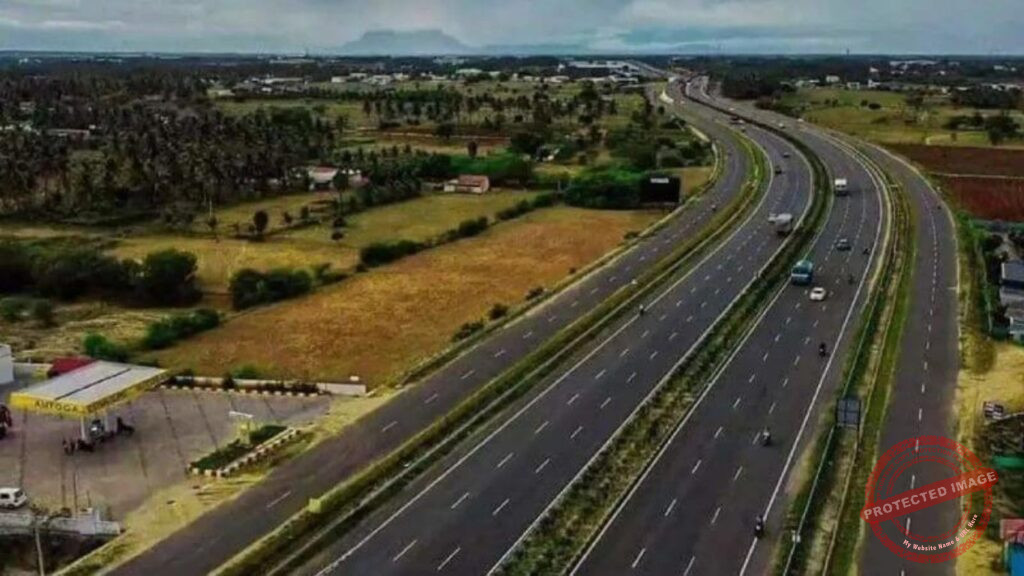
One of the first completed sections of the new network is a 1.7-kilometre six-lane concrete road built outside Navlakh Umbre village in the Phase I area of the Talegaon Industrial Zone. This stretch replaces a narrow village route that had been a notable choke point during peak hours and is expected to offer faster, smoother connectivity between Phase I and Phase II, reducing delays for thousands of commuters and transport vehicles each day. Officials estimate that this segment alone has involved an investment of approximately ₹50 crore toward enhancing road durability and capacity.
Beyond this initial section, the larger corridor stretches from Hyundai Chowk through Talegaon Phase II to Chakan Phase II, integrating several industrial pockets into a continuous bypass route. Another pivotal segment — around 6.5 kilometres long — connects the Corning Company area to the Bham River, where it meets the Pune–Nashik Highway. This direct link is designed to divert heavy traffic away from overloaded local roads and deliver a more efficient, high-capacity route for industrial traffic, with an estimated cost of ₹105 crore for this phase.
Once fully operational, the 35-km alternate road network is projected to dramatically reshape regional travel patterns, offering motorists a viable bypass that improves travel times, reduces recurring traffic jams, and enhances road safety. The route will serve industrial trucks, commercial freight carriers, and private commuters alike, reducing dependence on the existing, overburdened roadway and facilitating smoother transit to the Pune–Nashik Highway.
The new infrastructure is particularly significant given the rapid expansion of the Chakan and Talegaon industrial areas, which have emerged as key production and logistics hubs in the state. These zones host numerous manufacturing units, warehouses, and ancillary industries, collectively generating high traffic volumes that put pressure on the region’s road network. The alternate corridor not only provides congestion relief but also supports economic efficiency by cutting transit times, lowering fuel consumption, and improving the flow of goods and services — factors crucial to industrial competitiveness.
Industry representatives and local business leaders have welcomed the project, noting that reduced congestion could translate to lower transport costs and improved productivity for logistics operations that form the backbone of the region’s economic activity. Commuters and transporters have also expressed optimism that the phased openings of various road segments will provide incremental relief even before the entire network is completed.
The project reflects broader infrastructure priorities in Maharashtra, where state and regional authorities have been focusing on expanding connectivity between urban centres, industrial belts and national highways to support long-term growth. Upgraded road networks not only ease everyday traffic pressures but also contribute to safer travel conditions by replacing narrow, congested routes with high-capacity, well-engineered roadways.
In addition to easing congestion, the new corridors are expected to benefit nearby residential communities and smaller towns that currently face spillover traffic from industrial routes, particularly during rush hours. Expanded connectivity will also enhance access to employment hubs, public transport links, and peripheral economic zones, reinforcing Pune’s role as a major economic engine in the region.
Follow us On Our Social media Handles :
Instagram
Youtube
Facebook
Twitter
Also Read- Pune