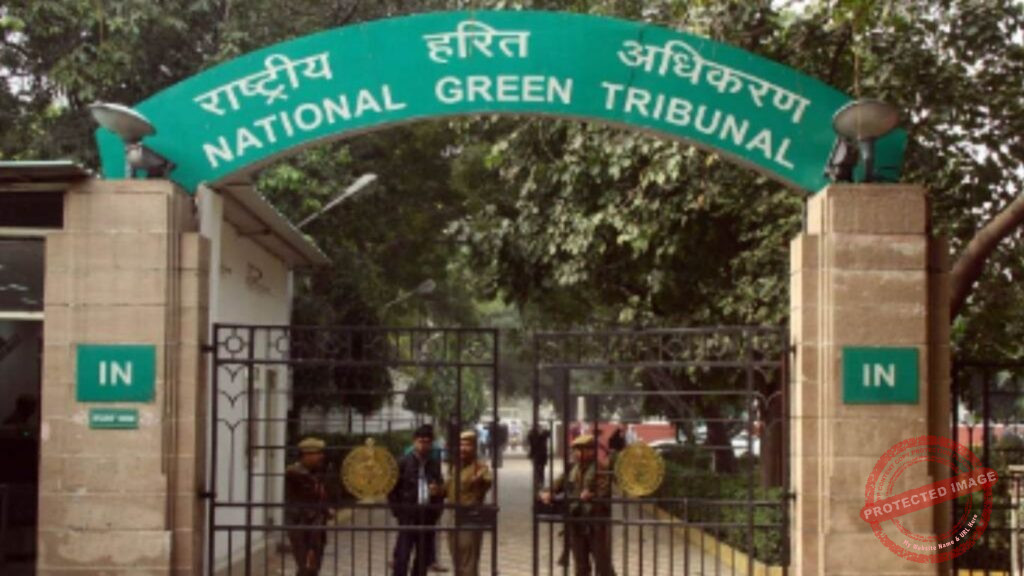
National Green Tribunal Orders Halt on Tree Felling in Nashik Until January 2026 Amid Kumbh Mela Preparations
Nashik
NGT pauses tree cutting in Nashik over environmental concerns linked to Kumbh Mela prep. Joint committee to assess impact; activists and authorities brace for next hearing.
Nashik, December 13, 2025 – The National Green Tribunal (NGT) has imposed a complete ban on tree felling in Nashik until January 15, 2026, putting major infrastructure work linked to the upcoming Simhastha Kumbh Mela on hold. The interim order was passed after concerns were raised that large-scale preparations for the religious gathering could cause long-term environmental damage if carried out without proper legal and ecological safeguards. The tribunal observed that indiscriminate cutting or transplantation of trees raises serious environmental issues and directed authorities to immediately stop any such activity beyond what is strictly permitted under law. Notices have been issued to the Nashik Municipal Corporation and the local Tree Authority, seeking detailed replies and compliance reports within four weeks.
The case was triggered by objections to proposals involving the removal or relocation of a significant number of mature trees to facilitate road widening, temporary housing, and infrastructure development near the Godavari riverbanks and key religious locations, including Trimbakeshwar. It was argued that permissions were being granted without conducting a comprehensive tree census, environmental impact assessment, or meaningful public consultation. The tribunal noted that trees play a critical role in maintaining urban ecological balance and that development for major public events cannot bypass statutory environmental procedures, especially in a city already facing rising temperatures, air quality concerns, and water stress.
As part of the interim order, the NGT has constituted a joint inspection committee comprising officials from pollution control authorities, the forest department, and the municipal administration. The committee has been directed to conduct on-site inspections of all affected locations and submit a detailed report within two weeks. The inspection will assess the number, species, age, and ecological value of the trees proposed for removal, as well as examine whether viable alternatives to cutting have been considered. The tribunal has clearly stated that no irreversible action should be taken until the committee’s findings are reviewed.
The proposed tree cutting has drawn strong opposition from local residents, environmental activists, and civil society groups, who argue that green zones such as Tapovan are vital to Nashik’s environmental health. Protesters have warned that large-scale tree removal could worsen flooding risks, reduce groundwater recharge, and disrupt local biodiversity. Many have also pointed out that a religious event rooted in spiritual harmony should not lead to ecological harm, calling for eco-sensitive planning, temporary structures, and decentralised facilities instead of permanent construction.
Civic authorities, however, have defended the preparatory work, stating that Kumbh Mela arrangements are being carried out in phases and that efforts will be made to minimize environmental impact. Officials have cited proposed compensatory afforestation drives and tree transplantation plans as mitigation measures. Environmental experts remain cautious, noting that transplanted trees often have low survival rates and that mature trees provide ecosystem services that saplings cannot replace for decades. Previous tribunal observations have also stressed that compensatory plantation cannot be treated as a blanket solution for cutting established trees.
The next hearing scheduled in January 2026 will be crucial, as the tribunal will examine the joint committee’s report, assess compliance with environmental laws, and decide whether any limited exemptions can be granted. Until then, all tree felling linked to Kumbh Mela preparations in Nashik remains suspended. The order reinforces the principle that large-scale cultural and religious events must be planned in accordance with environmental laws and sustainability norms, setting a precedent for future urban development projects across the country.