Pune Accelerates River Cleanup: 11 New Sewage Treatment Plants to Curb Mula-Mutha Pollution
Pune
Pune advances pollution control with 11 new sewage treatment plants under a major river clean-up project to boost water quality in the Mula-Mutha river.
Pune|27 January,2026: Pune is intensifying efforts to curb river pollution with the development of 11 new sewage treatment plants (STPs) under a major environmental infrastructure initiative aimed at restoring the health of the Mula–Mutha river. The project is designed to significantly reduce the discharge of untreated sewage into the river system and improve overall wastewater management in the rapidly growing city.
The initiative focuses on expanding sewage treatment capacity while strengthening the underground sewer network to ensure that domestic wastewater from residential and commercial areas is properly collected and treated before entering natural water bodies. Along with the construction of new STPs, work is underway to create missing sewer links and modernise pipelines, addressing long-standing gaps that have contributed to river pollution over the years.
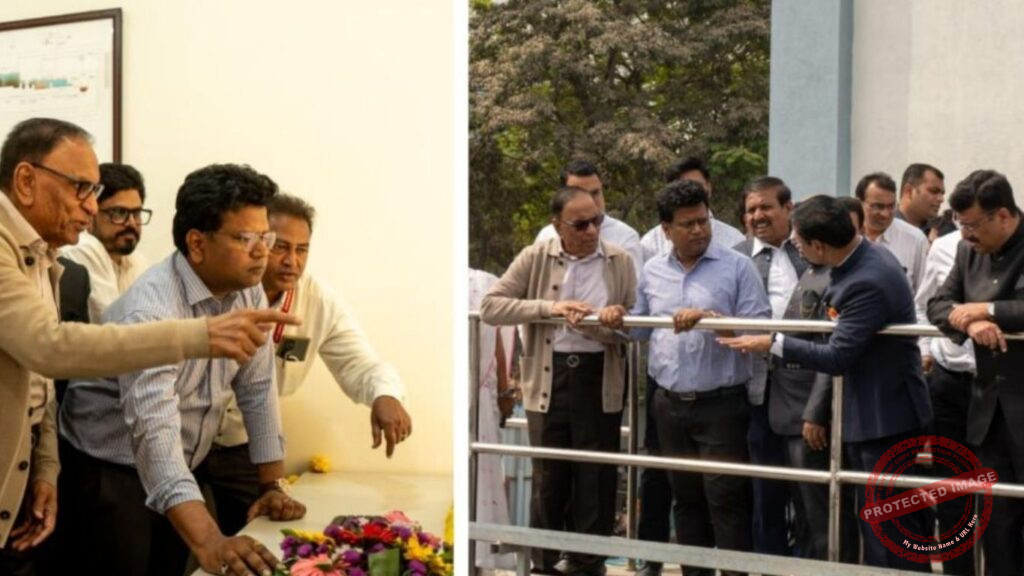
At present, construction work is progressing on 10 of the 11 planned sewage treatment plants, with several facilities nearing completion. Plants at locations such as Mundhwa, Warje, and Wadgaon are in advanced stages and have begun trial runs of key equipment. Once operational, these three plants together are expected to treat around 74 million litres of wastewater per day, providing a substantial boost to Pune’s treatment infrastructure.
Each sewage treatment plant has been planned to serve specific catchment areas, ensuring decentralised and efficient treatment. The Mundhwa facility will handle wastewater from fast-growing southern and eastern suburbs, while the Warje and Wadgaon plants are expected to cater to residential pockets in western and southern parts of the city. Additional plants, including large-capacity facilities in eastern Pune, are scheduled to enter trial and commissioning phases over the coming months.
The overall project, which has been under development since 2022, represents a major financial and engineering commitment, with an estimated investment of over ₹1,100 crore. Once all plants are commissioned and integrated with existing infrastructure, Pune’s total sewage treatment capacity is expected to rise to nearly 895 million litres per day, covering a significant portion of the city’s wastewater generation.
Environmental experts have long pointed out that untreated sewage is the primary contributor to the degradation of the Mula–Mutha river. Rapid urbanisation, population growth, and insufficient drainage systems have placed enormous pressure on the river ecosystem. The expansion of sewage treatment infrastructure is therefore seen as a critical step toward improving water quality, reducing foul odours, and restoring aquatic life.
In addition to construction, the project includes long-term operation and maintenance provisions to ensure sustained performance of the treatment plants. Authorities believe this approach will help prevent the recurrence of past issues where facilities became underutilised due to lack of upkeep or technical failures.
In conclusion, the addition of 11 sewage treatment plants marks a major milestone in Pune’s environmental protection efforts. While the full impact will be realised only after all plants become operational, the project lays a strong foundation for reducing river pollution, safeguarding public health, and moving the city closer to sustainable urban water management.
Follow us On Our Social media Handles :
Instagram
Youtube
Facebook
Twitter
Also Read- Pune