Pune Faces Water Supply Risk as ₹933 Crore Dues Remain Unpaid
Pune
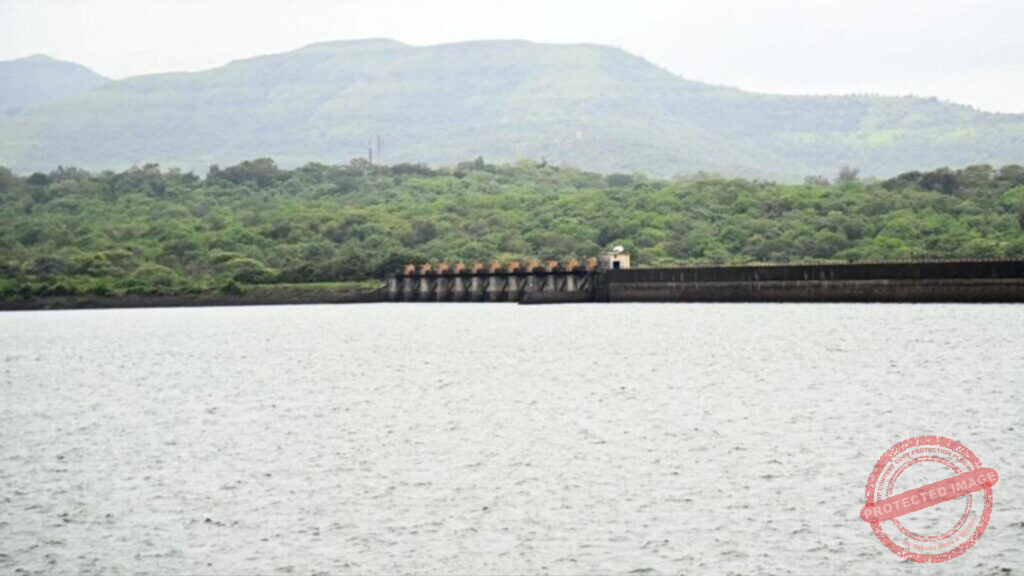
Pune’s water supply could be cut soon as the civic body’s outstanding water dues of ₹933 crore risk suspension of supply from Khadakwasla reservoir.
Pune | 17 February, 2026- Pune is facing a potential water crisis as authorities warn that the city’s water supply could be suspended if the Pune Municipal Corporation (PMC) does not immediately clear approximately ₹933 crore in pending dues for water usage. The outstanding amount has accumulated over several years due to excess extraction and delayed payments, placing Pune’s households, businesses, and surrounding agricultural communities at risk.
The city’s annual sanctioned water quota stands at 11.60 TMC (thousand million cubic feet), yet civic records show that Pune has repeatedly exceeded this limit, consuming an additional 8.84 TMC in the past year alone. Under state water regulations, excess usage incurs penalties: 1.5 times the standard rate for usage up to 25% over the quota and up to 3 times for usage beyond that. Systematic overuse since 2016 has contributed to the massive arrears, even after partial payments were made in recent months.
As of January 31, Pune had already used 11.23 TMC of its allocated quota, leaving only 0.36 TMC in reserve — enough for roughly 12–15 days at current consumption rates. The water department has formally communicated with the PMC, urging immediate settlement of dues to prevent a formal cut in supply. Such a suspension could force authorities to ration water or source alternative supplies, which may be insufficient during peak summer demand.
The situation also affects farmers in nearby talukas who rely on the same water system for irrigation. Reduced supply from Khadakwasla could jeopardize cropping schedules and agricultural livelihoods. Civic leaders and municipal officials are under pressure to negotiate solutions with the water department, including phased payments, tariff revisions, or legal clarifications on penalty calculations.
Structural challenges compound the crisis. Despite monthly water charges averaging around ₹10 crore, the collection falls short of covering accumulated arrears. Rapid urban expansion, increasing per-capita demand, and historical laxity in monitoring consumption have intensified the issue. Experts highlight that without strong water conservation measures, smart metering, and improved infrastructure, similar disputes are likely to recur, threatening urban water security.
Immediate reforms, such as equitable metered water supply, leak detection systems, and stricter enforcement of consumption limits, are being recommended to prevent future crises. Residents and businesses are urged to cooperate with authorities and conserve water where possible to mitigate risk in the coming weeks.
Follow us On Our Social media Handles :
Instagram
Youtube
Facebook
Twitter
Also Read- Pune