Pune Municipal Corporation Seeks ₹2,000 Crore World Bank Funding to Upgrade Water and Sewage Infrastructure in Merged Villages
Pune
Pune PMC plans ₹2,000 crore World Bank funding to modernize water supply and sewage systems in 23 merged villages, addressing long-standing infrastructure gaps.
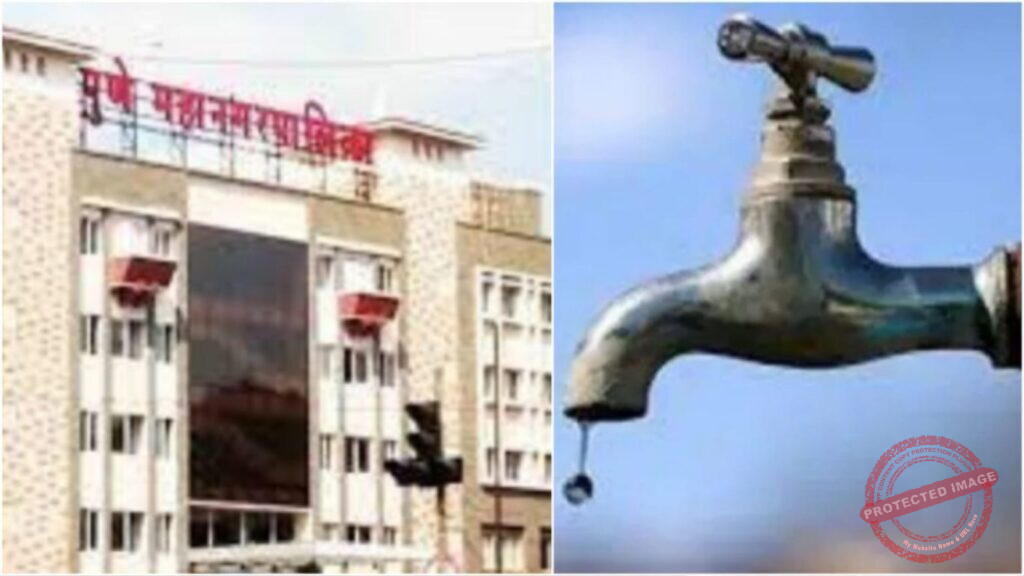
Pune | 17 February, 2026- The Pune Municipal Corporation (PMC) has announced plans to secure a ₹2,000 crore loan from the World Bank to modernize water supply and sewage infrastructure in 23 villages merged into Pune five years ago. The initiative aims to bridge persistent civic infrastructure gaps and ensure equitable access to essential services for residents.
Of the proposed ₹2,000 crore funding, ₹1,200 crore will be dedicated to enhancing Pune’s water distribution network. This involves the installation of new pipelines, establishment of advanced water treatment plants, construction of storage tanks, and the introduction of water meters. Civic officials highlight that these measures will optimize water management, reduce wastage, and improve reliability across both urban and newly merged village areas. “The goal is to bring the water supply in these villages on par with central Pune,” said a PMC spokesperson. “Residents have long paid property taxes without receiving adequate civic amenities, and this project will finally address those disparities.”
The remaining ₹800 crore of funding will target sewage infrastructure. The tender process for 16 of the 23 villages has been completed, while a detailed sewage management plan has been developed for the eastern villages—Wagholi, Lohgaon, Manjari, Shewalewadi, Vadachiwadi, Autadwadi, Handewadi—and Bavdhan in the west. This component includes constructing four new sewage treatment plants, laying 378 kilometers of sewage collection pipelines, 46 kilometers of main pipelines, and an additional 33 kilometers of ancillary pipelines. The total estimated expenditure for these seven villages alone is ₹710 crore. The PMC is in discussions with the World Bank to secure the required funding.
After these villages were merged into PMC jurisdiction, planning and construction approvals were initially handled by the Pune Metropolitan Region Development Authority (PMRDA). However, the state government later scrapped PMRDA’s development plan due to objections, returning approval authority to PMC. The lack of comprehensive development plans has fueled residents’ concerns over inequitable access to civic amenities despite paying property taxes for years. “This project is crucial for integrating these merged villages into the city’s urban planning framework,” said urban planning expert Dr. Ramesh Patil. “It will not only improve water and sewage systems but also enhance long-term urban sustainability in Pune.”
The proposed funding and upgrades are expected to significantly improve public health, reduce water shortages, and enhance sanitation standards. By modernizing infrastructure in both eastern and western regions of Pune, the PMC aims to ensure uniform development across the city, bridging the gap between older municipal zones and newly merged villages. Moreover, the project aligns with Pune’s broader objectives of sustainable urban development, efficient water management, and compliance with environmental standards. Residents can anticipate improved service delivery and reduced instances of water contamination and sewage overflow.
The PMC’s ₹2,000 crore plan, backed by potential World Bank funding, represents a transformative step for Pune’s urban infrastructure. By addressing water supply and sewage management in 23 merged villages, the city aims to enhance living conditions, ensure equitable civic services, and reinforce sustainable urban development. Successful implementation could set a benchmark for other Indian cities managing the integration of peripheral villages.
Follow us On Our Social media Handles :
Instagram
Youtube
Facebook
Twitter
Also Read- Pune