Pune Municipal Election 2026: Pooja Jadhav Withdraws Nomination After Social Media Criticism
Pune
Amid heavy criticism from social media users, Pooja Jadhav withdraws her nomination from the Pune Municipal Corporation election, triggering political debate.
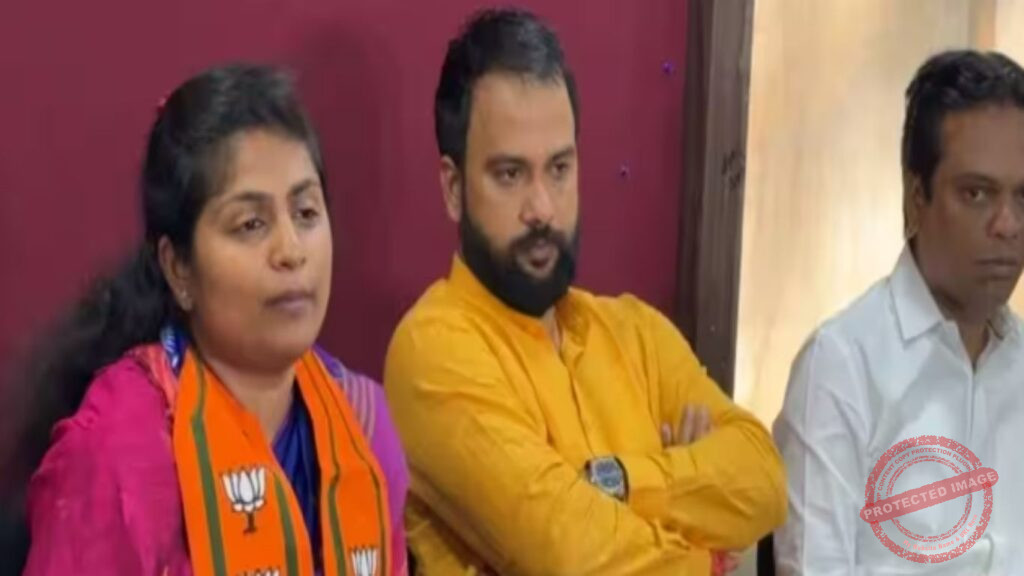
January 1, 2026 | Pune – A significant development has emerged in the Pune Municipal Corporation Election 2026 after Pooja Jadhav withdrew her nomination following intense criticism on social media. The decision, reported on January 1, 2026, has sparked widespread discussion in political and public circles, highlighting the growing influence of digital platforms on electoral politics.
According to available information, Pooja Jadhav had filed her nomination to contest the civic election from a Pune ward. Soon after the announcement of her candidature, several social media users raised objections and criticisms related to her background and suitability as a candidate. The criticism gained momentum across platforms, leading to sustained online debate and scrutiny.
Amid the mounting backlash, Pooja Jadhav announced her decision to withdraw from the race. Sources indicate that the pressure generated by social media reactions played a major role in her decision. While no official statement detailing specific reasons was issued initially, the withdrawal itself became a talking point, especially in the context of how online opinion can shape political outcomes.
Political observers note that municipal elections, once largely driven by local ground-level campaigning, are increasingly influenced by social media narratives. Candidates today face real-time public evaluation, where past statements, personal conduct, and public perception are constantly examined. In Pooja Jadhav’s case, the speed and intensity of online criticism appear to have outweighed traditional political considerations.
Reactions to the withdrawal have been mixed. Some citizens and political commentators have welcomed the move, arguing that public accountability and transparency are essential in democratic processes. They believe that social media acts as a platform for collective voice, allowing voters to express concerns directly. Others, however, have raised concerns about online pressure turning into harassment, cautioning that unverified allegations and digital outrage can unfairly damage reputations.
Opposition leaders have used the incident to question candidate vetting processes within political parties. They argue that better scrutiny at the time of ticket distribution could prevent such situations and avoid embarrassment during elections. Party insiders, meanwhile, suggest that the episode serves as a learning experience, reinforcing the need to anticipate public reaction in the digital age.
The incident has also reignited debate on the role of social media in democracy. Experts point out that while online platforms empower citizens, they also carry the risk of misinformation and trial by public opinion. Balancing free expression with fairness remains a challenge, particularly during elections where emotions and political rivalry run high.
For Pune’s civic election landscape, the withdrawal of a candidate can alter local equations, especially if it occurs close to critical stages of the election process. Analysts say that parties may need to quickly recalibrate strategies, manage internal reactions, and ensure that alternative candidates, if any, are positioned effectively.
Local voters have expressed varied reactions, with some appreciating the responsiveness to public sentiment and others worrying about the long-term implications of social media-driven politics. Many residents emphasised that civic elections should focus on governance issues such as infrastructure, water supply, sanitation, and transport, rather than controversies overshadowing these priorities.
As of January 1, 2026, Pooja Jadhav’s withdrawal remains one of the most discussed developments in the Pune Municipal Corporation Election 2026. The episode underscores how rapidly public opinion can influence political decisions and serves as a reminder that candidates and parties must navigate both ground realities and digital perception carefully.
The case has added a new dimension to Pune’s civic election narrative, reflecting the evolving nature of political engagement in urban India. With social media now playing a decisive role, the intersection of public scrutiny, accountability, and democratic participation is set to shape the future of local body elections in the city.
Follow us On Our Social media Handles :
Instagram
Youtube
Facebook
Twitter
Also Read- Pune