Pune PMC to Enforce Strict Construction Norms to Safeguard Metro Tunnels After Damage Incident in Old Wada Areas

PMC
After a metro tunnel was damaged in Pune’s Old Wada area, PMC plans strict construction rules to protect underground infrastructure and prevent future risks.
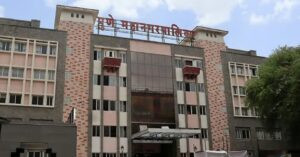
Pune | 26 March, 2026: The Pune Municipal Corporation (PMC) is moving swiftly to introduce stricter construction norms to protect sensitive underground metro infrastructure following a recent incident in the historically dense Old Wada areas of the city. The decision comes in the wake of damage alleged to have been caused to the underground metro tunnel on the Swargate–Shivajinagar route, after borewell drilling activities above the tunnel led to water seepage and structural risk concerns inside the metro corridor, prompting an immediate official response and police action against the property owner and contractor involved.
The proposed regulations being drafted by the PMC aim to govern new construction and redevelopment work that takes place above or near metro tunnels, especially in the Old Wada precincts—one of Pune’s most densely built and historically significant localities. Municipal Commissioner Naval Kishore Ram emphasised that the new framework will impose detailed technical scrutiny and clearance requirements for any construction activity in close proximity to underground metro infrastructure. Under the guidelines, developers and builders will be required to submit comprehensive structural safety plans for approval before starting work, with a special focus on activities such as borewell drilling and excavation, which were linked to the recent incident that exposed the vulnerability of infrastructure built above deep underground transit networks.
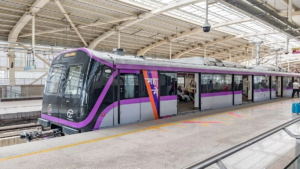
The Pune Metro, operated by the Maha Metro, has been expanding its rapid transit network across the Pune metropolitan region, including underground segments that run about 100 feet below ground level, particularly between Shivajinagar and Swargate. This segment cuts through crowded neighbourhoods where redevelopment and construction have accelerated in recent years. Experts say that rapid urban redevelopment, combined with traditional construction practices like borewell drilling, can pose significant risks to underground tunnels if not carefully regulated and monitored by civic and metro authorities.
In the recent case at Shukrawar Peth, the drilling that resulted in structural compromise was reportedly carried out without consulting officials about the location of the metro tunnel below. In response, the civic body and metro authorities have initiated a review of all ongoing construction projects around the metro corridor in Old Wada areas to assess potential threats to the infrastructure. The PMC is also coordinating with relevant departments to ensure any groundwater extraction or drilling work obtains separate permissions from appropriate authorities, beyond standard building clearances.
Officials said the move to tighten norms reflects growing awareness of how critical urban transit infrastructure has become for Pune’s connectivity and future growth. The Pune Metro project has been instrumental in reshaping urban mobility across the city, linking key localities and reducing travel times for commuters. However, incidents that risk disruption to metro services have raised concerns among residents, civic officials, and transport planners about balancing rapid redevelopment with the safety of essential infrastructure.
The PMC’s draft regulations will require construction projects to undergo advanced structural risk assessments, including soil testing and impact analysis, before approval. Builders will also need to obtain clearances from metro authorities and groundwater governing bodies when undertaking any deep drilling or excavation work. By imposing these layered safety checks, officials hope to minimise the chance of future incidents that could endanger passengers, commuters, and underground transit operations.
The initiative has been welcomed by several urban planners and civic experts, who argue that stringent oversight is necessary in areas where centuries-old buildings, narrow lanes, and modern infrastructure overlap. These professionals point out that lack of coordinated planning between construction authorities and transit authorities can lead to costly and dangerous setbacks if infrastructure safety is not prioritised.
Follow us On Our Social media Handles :
Instagram
Youtube
Facebook
Twitter
Also Read- Pune