Pune PMC to Survey Large Housing Societies Over Non-Compliance in Wet Waste Management
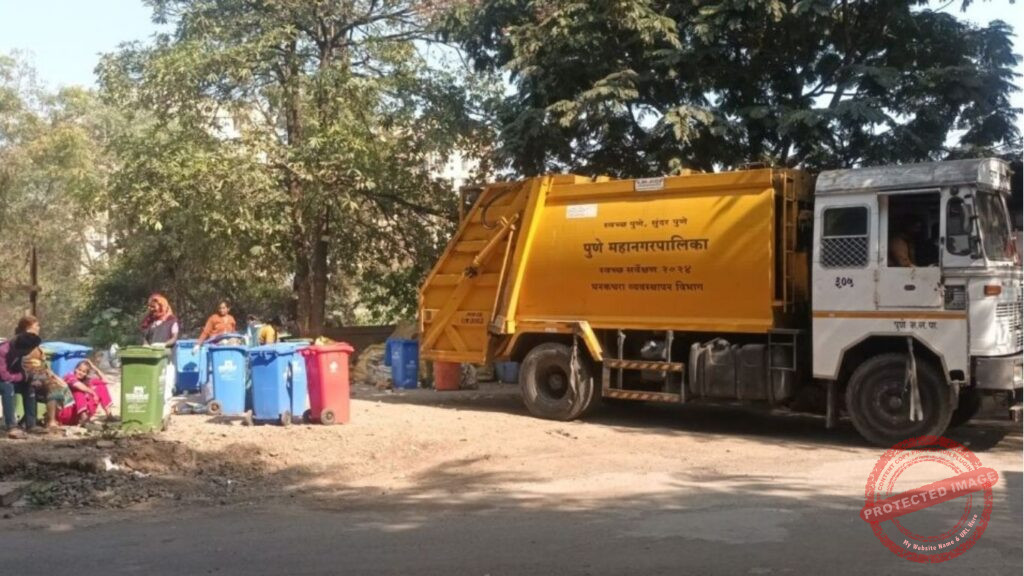
Pune city’s municipal corporation launches a survey of big housing societies to investigate whether their wet-waste composting systems are functional or defunct.
Pune | November 22, 2025: The Pune Municipal Corporation (PMC) has launched a citywide survey targeting large housing societies that generate significant quantities of waste to assess their compliance with wet-waste treatment requirements. The move comes amid growing concern that many wet-waste composting units in these societies are not operational as claimed, potentially undermining the city’s waste-management goals.
According to PMC officials, preliminary data indicate that 400 to 500 composting or processing units in residential societies and commercial complexes may no longer be functional. These units were previously set up to manage biodegradable, or “wet,” waste on-site, as mandated under the solid waste-management rules. PMC’s Additional Commissioner has ordered health inspectors and ward offices to inspect such bulk waste generators (BWGs) and verify whether the systems are working properly, or only exist on paper.
PMC’s Solid Waste Management Department has also formed a dedicated independent squad to monitor, inspect, and take action against housing societies that are not treating their wet waste at the source. These housing societies fall under the category of BWGs — establishments that generate more than 100 kg of waste daily. Under existing regulations, they are legally required to process this waste within their premises rather than relying entirely on municipal collection.
The survey is intended to create a detailed database of such societies — capturing which ones are fully compliant, which have non-functional units, and which never actually installed a composting infrastructure. PMC officials have also asked its 17 empanelled private agencies to play a proactive role in assisting societies. These agencies will provide technical guidance, help revive failed composting units, and offer hands-on support to restart or improve existing systems.
One major driver behind this initiative is a discrepancy in PMC’s subsidy and rebate frameworks. Some societies have reportedly claimed property tax relief for setting up waste-processing units, but PMC has found that certain units are completely defunct or not in use. The survey aims to unearth such cases and hold non-compliant societies accountable.
In addition, PMC intends to scrutinize whether composting units are not just present but truly functional. The inspections will examine the operational health of the plants — whether composting machines are running, whether dead waste is being processed, and whether output waste is being managed properly. This will help identify root causes of system failures such as lack of maintenance, mechanical breakdowns, or negligence by society management.
If large-scale non-compliance is confirmed, PMC could introduce stricter penalties. Given that many BWGs benefit from tax rebates or incentives in return for managing their waste, regulators may withdraw such benefits, or impose fines. The civic body is also pushing for stricter enforcement: after the survey, it plans to issue notices to errant societies and could escalate action against repeat offenders.
The implications of this survey are significant. Better compliance would not only reduce the burden on PMC’s centralised waste-processing infrastructure, but also promote decentralised and sustainable waste management across Pune. From a policy standpoint, it underlines PMC’s renewed focus on not just setting rules, but ensuring their real implementation, especially within bulk waste generators.
For residents, the survey could translate into cleaner apartment complexes, less foul odour around society premises, and more accountability from their society management committees. For the city, it could mean greater progress on solid waste goals, lower landfill dependency, and improved environmental health — if the findings lead to concrete corrective action.
Follow us On Our Social media Handles :
Instagram
Youtube
Facebook
Twitter
Also Read- Pune