Pune Southern Command Strengthens Military-Civil Coordination Through Multi-Agency Security Meet
pune
Pune’s Southern Command hosts multi-agency security meet to enhance military-civil fusion, boost preparedness amid West Asia crisis and evolving national security concerns.
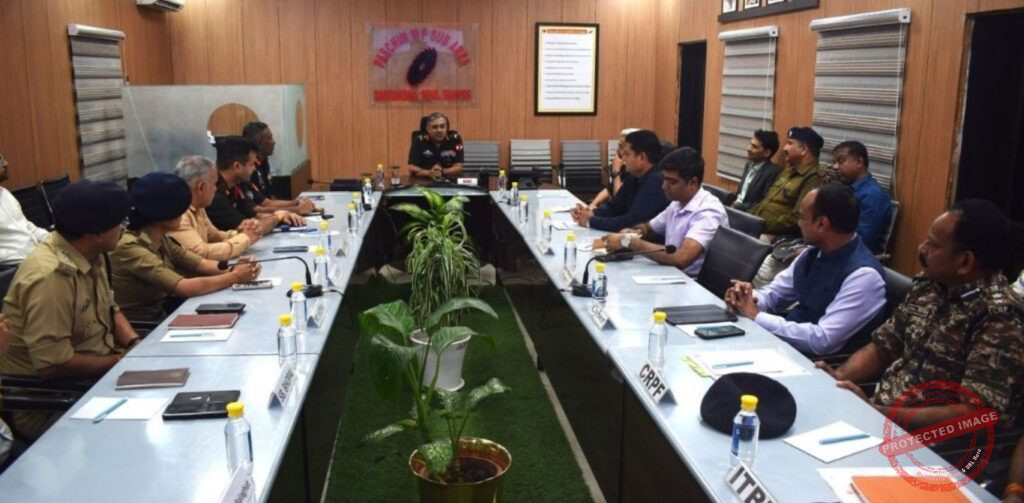
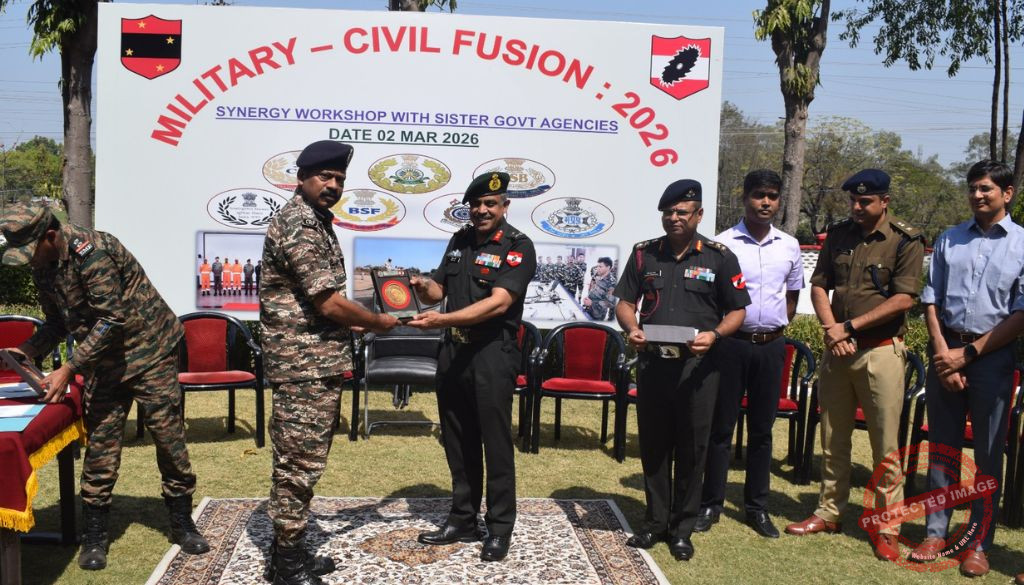
Pune | March 4, 2026In a significant step toward strengthening national preparedness, the Southern Command of the Indian Army in Pune convened a high-level multi-agency security meeting aimed at deepening military-civil coordination. The initiative reflects growing emphasis on integrated response mechanisms amid evolving global security challenges, including the ongoing West Asia crisis involving Iran and Israel.
Senior Army officials, representatives from Maharashtra Police, intelligence agencies, disaster management authorities, and key civil administration departments participated in the strategic dialogue. The meeting focused on synchronizing efforts across agencies to ensure swift, coordinated responses during emergencies ranging from natural disasters to security threats.
The concept of military-civil fusion revolves around seamless coordination between armed forces and civilian authorities. In cities like Pune, which hosts critical military infrastructure under the Southern Command, such collaboration becomes essential.
Officials discussed joint contingency planning, intelligence-sharing protocols, and mechanisms to improve communication during crises. According to sources familiar with the discussions, the objective was to eliminate operational silos and create a unified response framework.
“Security challenges today are multi-dimensional. Whether it’s a terror threat, cyber vulnerability, or large-scale disaster, no single agency can handle it alone,” a senior official said. “Preparedness depends on coordination.”
The timing of the meeting is notable. Heightened tensions in West Asia between Iran and Israel have disrupted global aviation networks and increased alertness worldwide. Indian agencies have remained vigilant, particularly after international incidents that affected routes such as the Mumbai-London flight corridor operated by Air India and other carriers during past geopolitical flare-ups.
While Pune itself has not faced a direct threat, authorities are keen to stay proactive. Security experts say that global instability often has ripple effects, influencing aviation routes, cybersecurity risks, and even supply chain logistics.
Domestically, recent emergencies such as major road mishaps, including the Ahmedabad road accident earlier this year, have underlined the importance of coordinated response systems between law enforcement, health services, and disaster relief teams.
The meeting reportedly reviewed emergency drills, rapid response capabilities, and real-time information-sharing platforms. One key agenda item was integrating digital communication channels to ensure faster decision-making during critical situations.
Disaster management officials highlighted the need for joint mock exercises, especially in urban areas with mixed civilian and military zones. Pune’s strategic importance, both as an educational hub and a military headquarters, makes preparedness planning especially critical.
A retired defence analyst based in Pune explained, “Southern Command has historically played a pivotal role in national defence. What we’re seeing now is a broader approach that brings in civilian stakeholders to strengthen resilience.”
Apart from physical security, discussions also extended to cyber threats and protection of critical infrastructure. With increasing reliance on digital networks for transportation, healthcare, and communications, officials stressed the need for robust cyber coordination frameworks.
Participants reportedly examined case studies of international disruptions linked to geopolitical crises and discussed mitigation strategies tailored to India’s urban centres.
Authorities believe that visible coordination between military and civil agencies helps reinforce public confidence. While security operations often remain confidential, structured engagement between departments signals readiness.
Police officials reiterated that law enforcement agencies in Pune are maintaining heightened vigilance but urged citizens not to panic. Instead, they encouraged responsible information sharing and reliance on official advisories.
Experts view the multi-agency meet as part of a broader national strategy aimed at strengthening internal security architecture. India has increasingly prioritized integrated command structures and joint operational planning, recognizing that modern threats transcend traditional boundaries.
The Southern Command’s outreach to civilian authorities marks a continuation of this evolving doctrine, blending military discipline with administrative agility.
Follow us On Our Social media Handles :
Instagram
Youtube
Facebook
Twitter
Also Read- Pune