Pune Traffic Police Book 178 Drivers for Drunk Driving in Three-Day Crackdown
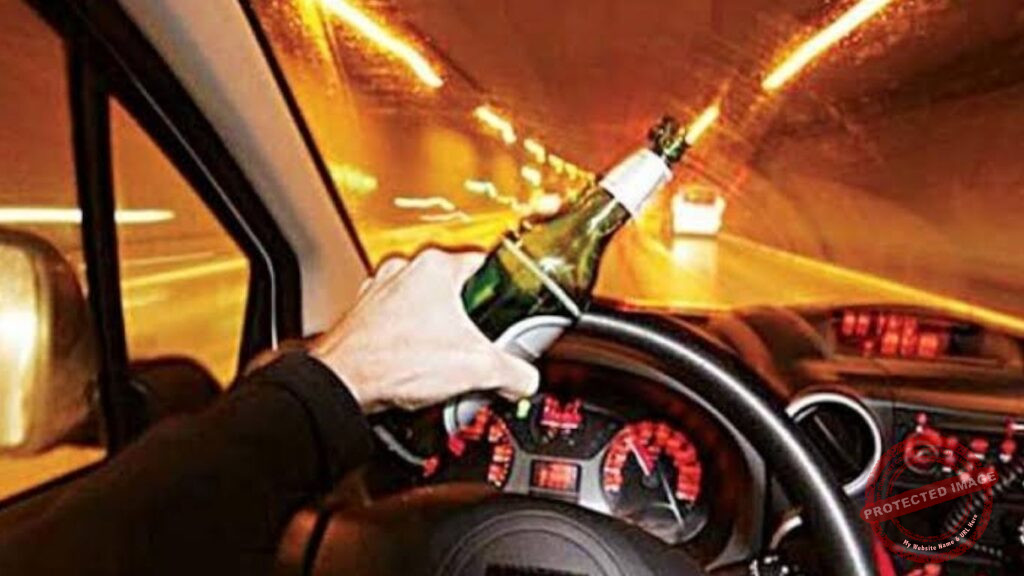
Pune traffic police detain 178 drunk drivers in a three-day special drive, highlighting rising enforcement against alcohol-related road risks.
Pune | November 24, 2025: In a sweeping enforcement move aimed at strengthening road safety, the Pune Traffic Police booked 178 motorists for drunk driving during a focused three-day special operation carried out across key locations in the city. According to officials, this drive is part of a larger and more consistent crackdown on driving under the influence, which has become a major cause of accidents in urban Maharashtra. Traffic police teams set up multiple checkpoints late at night and early in the morning—especially near pubs, restaurants, major junctions, and high-risk accident zones. Using breath analysers, officers screened motorists who appeared suspicious or displayed signs of intoxication. Any driver who tested positive was immediately booked under relevant clauses of the Motor Vehicles Act. Officials said the goal was not only to penalise offenders but to reinforce deterrence ahead of the festive season and increasing nighttime traffic.
This drive comes at a time when Pune has witnessed an alarming surge in drunk driving cases over the past 18 months. In 2024 alone, authorities registered 5,256 cases of drunk driving, the highest in the last five years. Between January and April 2025, Pune recorded over 3.22 lakh traffic violations of various kinds—a fivefold increase compared to the same period last year—indicating both a spike in violations and stricter enforcement. Since the high-profile Porsche crash in Kalyani Nagar in May 2024, the police have booked more than 5,300 drunk drivers in the city. Traffic experts believe that the tragedy served as a turning point, prompting authorities to intensify routine checks, technology adoption, and officer training.
Deputy Commissioner of Police (Traffic) Amol Zende said that the recent crackdown forms part of a continuous strategy to curb repeat offenders and reduce fatal accidents. While the police have not disclosed how many licences may be suspended as a result, Zende emphasised that drunk driving will invite stricter punitive action moving forward. Road-safety activists have applauded the drive but caution that periodic operations are not enough to counter deeply ingrained habits. They argue that awareness initiatives, combined with legal action, are essential to change driver behaviour. Citizens too have expressed support on social media, highlighting concerns over nightlife-related reckless driving and the growing number of late-night crashes.
To strengthen enforcement transparency, Pune has introduced new web-connected breath analysers that send data directly to a central control room. These devices log every test—positive or negative—and produce a receipt for the driver, reducing disputes and promoting accountability. Additionally, AI-enabled traffic cameras placed across important intersections now help police identify violators involved in wrong-side driving, triple-riding, speeding, and parking violations. The increased surveillance, automation, and digital reporting mechanisms have significantly expanded the capacity of police personnel deployed on ground. Under the leadership of Police Commissioner Amitesh Kumar, the Traffic Police Academy has also conducted more than 18 training sessions for officers between February and May 2025, helping them handle on-ground checks with greater efficiency and updated protocols.
Despite these advances, challenges remain. Some citizens feel enforcement spikes only after major incidents, while daily violations often go unnoticed. Others point out that unless booked offenders face swift legal consequences—such as licence suspension, higher fines, court appearances, or counselling—the deterrent effect may remain limited. Experts add that the problem of drunk driving is tied to broader issues such as unregulated alcohol-serving hours, the lack of accessible night transport, and poorly lit road stretches. Solutions therefore require a mix of policing, policy changes, and safer urban infrastructure.
The three-day crackdown, resulting in 178 bookings, has sent a clear message across Pune: driving under the influence will be met with zero tolerance. With technology-based tools, increased training, and sustained public awareness, Pune is inching towards a safer road environment. However, the long-term success of such drives will depend on consistent enforcement, judicial follow-through, and public cooperation. As the city grows and nightlife expands, responsible driving must become the norm rather than the exception for Pune to effectively reduce accident risks and save lives.
Follow us On Our Social media Handles :
Instagram
Youtube
Facebook
Twitter
Also Read- Pune