Pune’s PMPML Pushes for New Land from PMRDA to Build EV Depots Amid Rapid Fleet Expansion
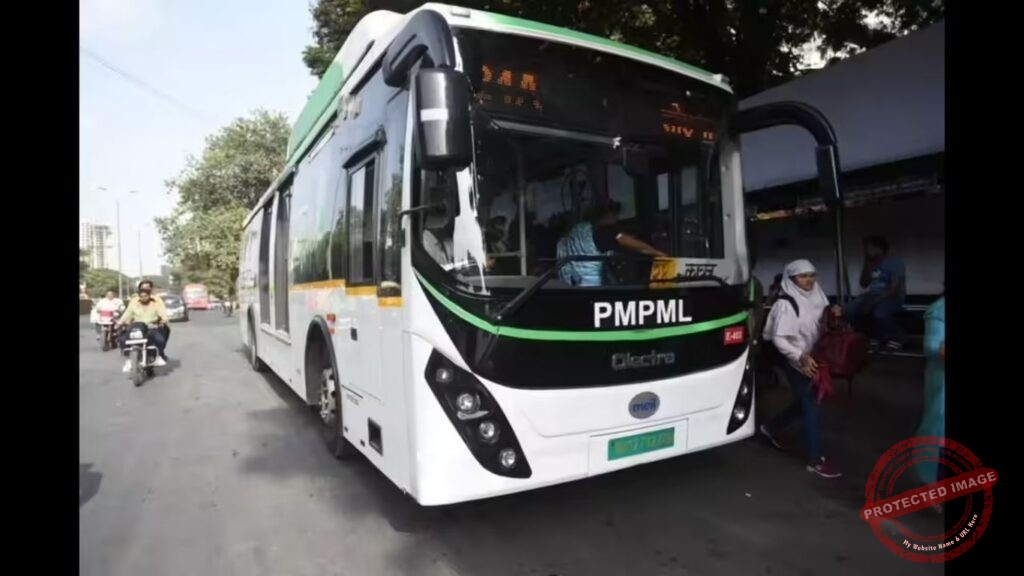
PMPML
With 2,200+ new buses en route, PMPML urges PMRDA for land parcels to build modern depots and EV charging hubs – key for Pune’s public transport upgrade.
Pune|09 December 2025: Pune’s public transport utility PMPML has formally requested PMRDA to transfer several land parcels to enable construction of new bus depots and electric-bus charging facilities, as it gears up for a major fleet expansion. The demand comes at a critical juncture – with over 2,200 new buses scheduled to join the fleet in the coming months, PMPML insists that existing infrastructure is insufficient to handle the incoming load effectively.
According to PMPML officials, the shortage of depot and parking space is already leading to operational tensions: many buses are being parked on roadside or other unplanned areas, and the lack of charging and maintenance infrastructure is particularly acute for electric buses. The transport body warns that without prompt land allotment, the quality, reliability and sustainability of bus services for Pune’s commuters could suffer.
In response, PMRDA has been approached to hand over multiple land parcels – including those earmarked earlier for depot infrastructure -so that PMPML can develop “future-ready” depots. These depots will be equipped not only for parking and maintenance of conventional CNG buses, but will also house EV-bus charging stations, maintenance bays, and auxiliary infrastructure required for a rapidly expanding green fleet.
This push aligns with PMPML’s broader plan to modernize and enlarge its services: earlier this year, the agency had announced the creation of five additional depots -bringing the total planned depots to 22 – at locations such as Ravet, Akurdi, Moshi, Chakan and Ranjangaon. With the fleet already operating across hundreds of routes in Pune and Pimpri-Chinchwad, the new depots are expected to reduce “dead mileage” (distance traveled without passengers), cut idle time, and improve schedule reliability for daily commuters.
Moreover, the integration of electric-bus technology into PMPML’s operations underlines a significant shift toward greener urban transportation. With EV-depots and charging infrastructure, the transport body aims to address one of the biggest challenges in bus electrification – managing battery charging and maintenance without disrupting service frequency. For a fast-growing city like Pune, expanding the public electric fleet without adequate depot infrastructure could lead to breakdowns, delays or degraded commuter experience.
Transport experts and urban planners see PMPML’s demand as essential for delivering on promises of efficient, sustainable mobility. They argue that fleet expansion must go hand in hand with infrastructure build-out; otherwise, new buses may simply contribute to congestion and inefficiency rather than solve them. In that sense, negotiating land transfer and starting depot construction now could make a big difference in keeping Pune’s public transport robust and future-ready.
For commuters – especially those reliant on buses for daily travel across Pune and its suburbs -this move promises tangible benefits: more frequent services, better-maintained buses, timely schedules, and perhaps more coverage in areas currently underserved. In the longer run, as EV-buses replace older models, air pollution and urban noise may also see reduction, improving quality of life in the metropolitan region.
Yet, success depends on how quickly PMRDA and local authorities process PMPML’s request. Delays in allotment, bureaucratic hurdles, or land-use complications could stall depot construction and affect rollout timelines. As the city waits, the demand highlights a crucial reality: fleet growth alone cannot solve urban mobility woes without parallel growth in supporting infrastructure.
Follow us On Our Social media Handles :
Instagram
YouTube
Facebook
Twitter