Scientists Urge Halt to Importing More Big Cats Under India’s Project Cheetah
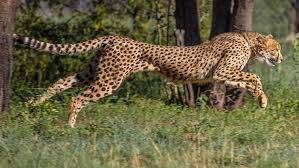
Scientists have raised concerns over India’s cheetah reintroduction programme, urging authorities to stop importing more African cheetahs and instead focus on habitat management and ensuring the survival of existing animals.
New Delhi | March 10 2026: A group of wildlife scientists has called on the Indian government to halt further import of cheetahs under the ambitious Project Cheetah, arguing that priority should be given to strengthening habitats and stabilising the current population already introduced into the country.The conservation programme, launched in 2022, aims to restore the cheetah population in India decades after the species became locally extinct. As part of the initiative, African cheetahs were brought from Namibia and South Africa and released in Kuno National Park in Madhya Pradesh. The project marked the first intercontinental relocation of large carnivores for conservation purposes.

However, several scientists and conservation experts now believe that importing additional animals could create ecological and logistical challenges. According to them, the programme should concentrate on improving habitat conditions, strengthening prey availability, and enhancing long-term monitoring systems before considering further translocations. Experts also pointed to concerns about animal welfare, mortality risks, and the ability of African cheetahs to adapt to Indian ecosystems, which differ from the African savannah landscapes where the species naturally thrives. Some researchers warn that repeated translocation without addressing these challenges may undermine the long-term sustainability of the project.
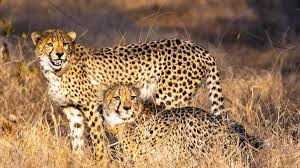
Supporters of the programme argue that reintroducing cheetahs could help restore grassland ecosystems and improve biodiversity in India. Yet critics maintain that conservation resources may be better invested in protecting existing native wildlife species and strengthening ecosystem management. The debate highlights the complexities of wildlife restoration projects, where scientific, ecological, and ethical considerations must be carefully balanced. Experts say that the future of the initiative will depend on transparent evaluation, adaptive management, and sustained scientific monitoring
Follow us On Our Social media Handles :
Instagram
Youtube
Facebook
Twitter
Also Read- Pune