State Unveils Master Plan to Transform ZP Schools into Smart, Competitive Institutions
Transform ZP Schools
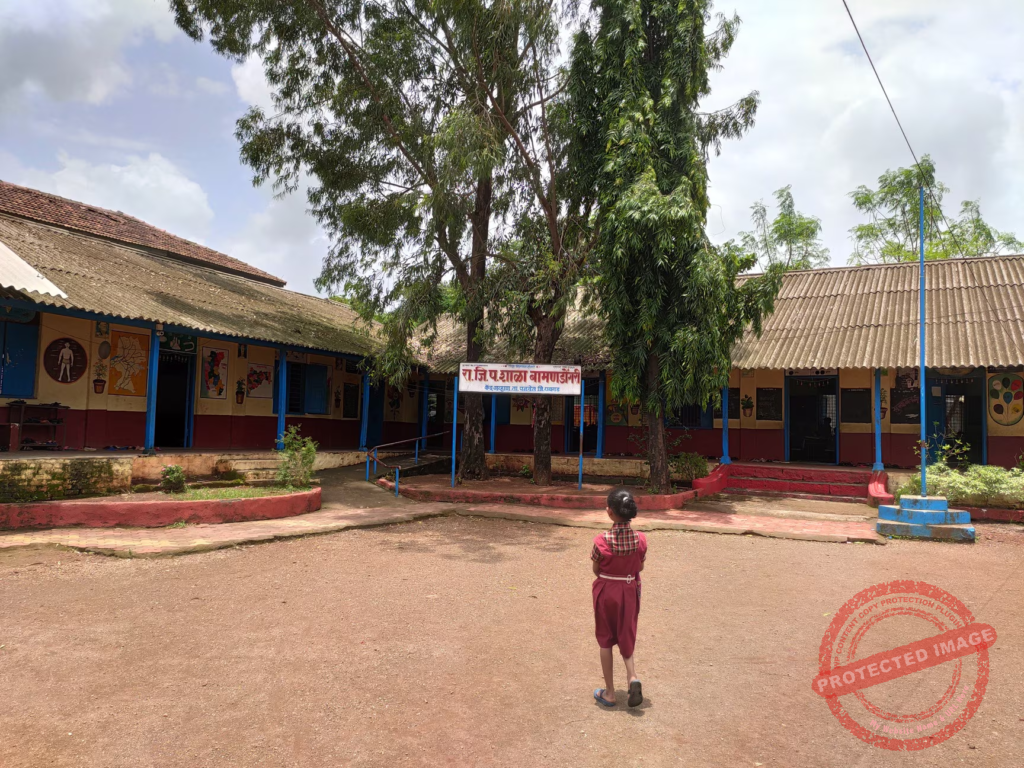
The Maharashtra School Education Department has launched a multi-pronged campaign to modernise Zilla Parishad schools, boost enrolment, and position them as strong alternatives to private institutions.
Thane | April 2, 2026: In a major push to revive public education, the Maharashtra School Education Department has rolled out an ambitious master plan aimed at transforming Zilla Parishad (ZP) schools into smart, competitive institutions capable of attracting more students and challenging the dominance of private schools.
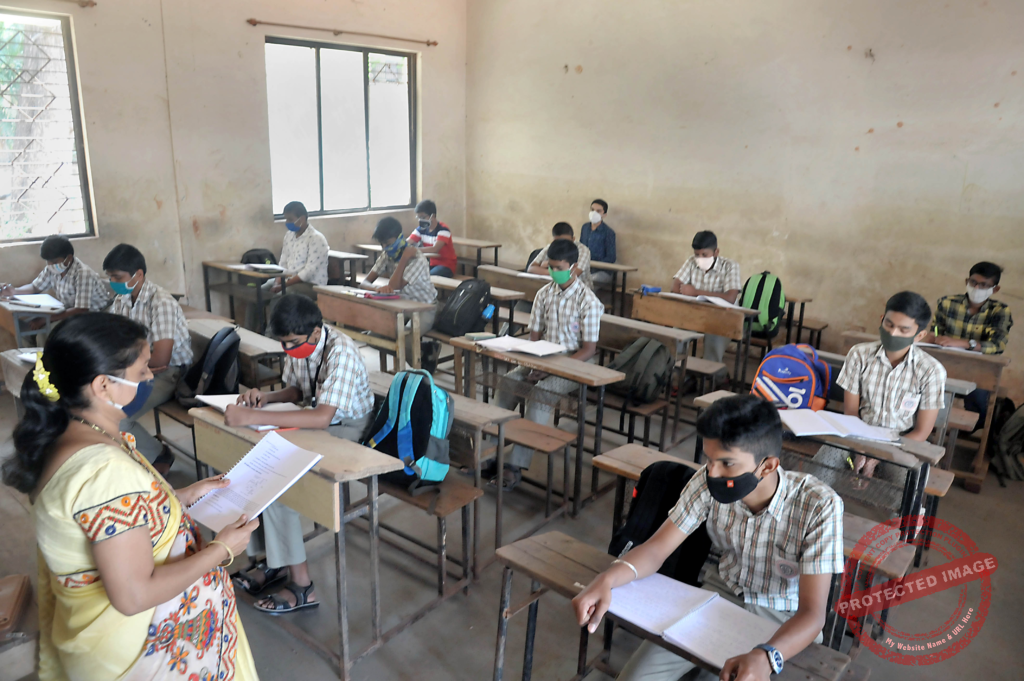
The initiative comes amid a steady decline in enrolment in government-run schools, particularly Marathi-medium institutions, as parents increasingly opt for private English-medium education. To counter this trend, the department has designed a comprehensive strategy focusing on infrastructure, teaching quality, digital learning, and community engagement.
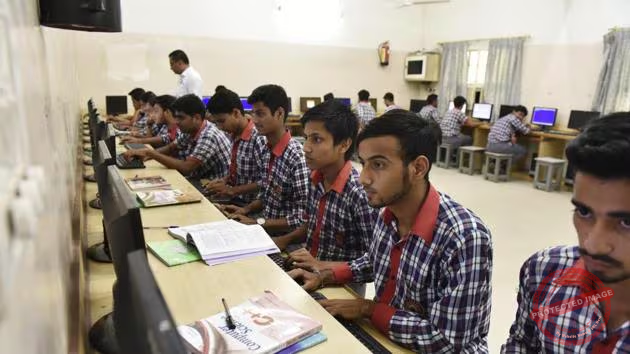
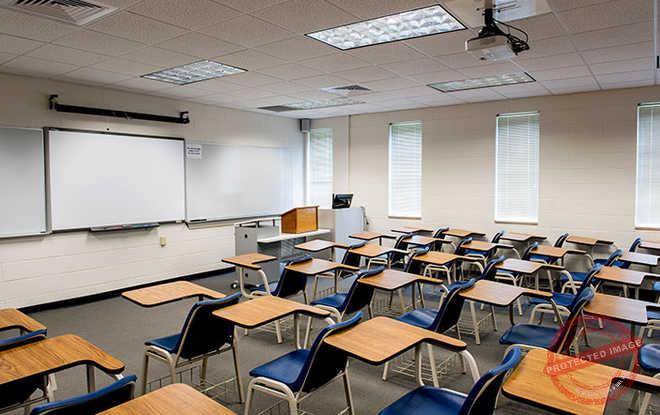
A key component of the plan is the introduction of digital and smart learning systems across schools. Classrooms will be equipped with modern teaching aids and interactive tools to make learning more engaging and accessible. The emphasis is on integrating technology into everyday teaching practices, enabling students to better understand concepts through visual and activity-based learning methods.
The campaign also prioritises timely distribution of textbooks, effective implementation of nutrition programmes, and strengthening basic school infrastructure. Authorities aim to ensure that essential facilities are in place, thereby improving the overall learning environment in ZP schools.
To directly engage with parents and communities, the department will implement outreach initiatives such as the “School at Your Doorstep” programme, where teachers will visit homes to interact with parents and encourage enrolment. -meetings and community-driven activities will also be organised to build trust and awareness about improvements in government schools.
Officials plan to highlight success stories of former students through social media campaigns, aiming to reshape public perception and rebuild confidence in the public education system. Creating a positive image of ZP schools is seen as critical to reversing the migration towards private institutions.
The master plan will be implemented between March and June 2026, with a focus on increasing enrolment during the upcoming academic year. A state-level committee has recommended several measures to enhance quality, accessibility, and credibility of government schools, forming the basis of the current .
Another major focus area is the expansion of semi-English sections within ZP schools. This step is intended to address parental demand for English-medium education while retaining students within the public system. Officials believe that offering semi-English instruction will improve students’ competitiveness and make government schools more appealing.
At the administrative level, strict monitoring mechanisms have been put in place. Senior education officers will conduct regular inspections to assess infrastructure, teacher availability, and academic standards. Continuous reviews are expected to ensure timely improvements and accountability at all levels.
The plan also includes the development of “model schools” at the cluster or beat level, which will serve as benchmarks for others. These schools are expected to demonstrate best practices in teaching, management, and student outcomes.
In a novel approach to incentivise enrolment, authorities are considering offering local tax concessions to parents who admit their children to ZP schools. This financial incentive is expected to encourage economically constrained families to reconsider government schools as a viable option.
Through this multi-dimensional strategy, the state government aims not only to improve educational standards but also to restore confidence in public schooling. The success of the initiative, however, will depend on sustained implementation, community participation, and consistent monitoring.
Follow us On Our Social media Handles :
Instagram
Youtube
Facebook
Twitter
Also Read- Pune