Supreme Court Approves Passive Euthanasia for Ghaziabad Man in Historic Ruling
Court
India’s top court has granted permission to withdraw life‑sustaining treatment for a man in a vegetative state for over a decade, marking the first judicially approved passive euthanasia under modern legal guidelines
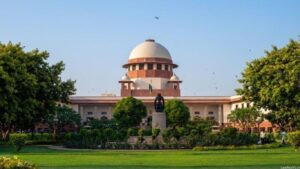
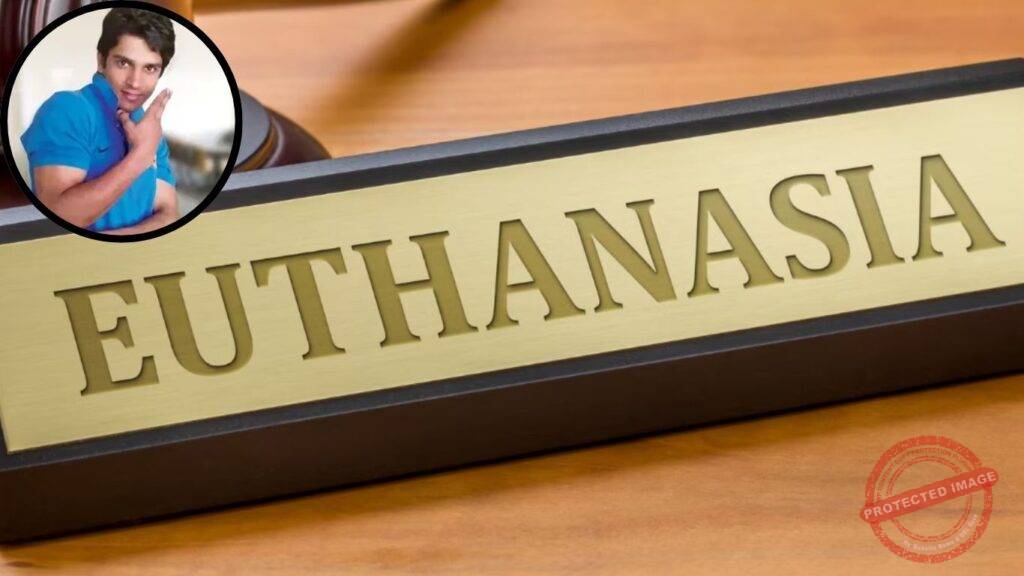
In New Delhi | 11 March, 2026:The Supreme Court of India delivered a landmark judgment allowing passive euthanasia for 32‑year‑old Harish Rana, who has been in an irreversible vegetative state for nearly 13 years following a fall in 2013. The decision, delivered by a bench led by Justices J. B. Pardiwala and K. V. Viswanathan, permits the withdrawal of medical treatment, including artificial nutrition and life support, in accordance with the right to die with dignity recognised by the court’s 2018 Common Cause judgment as updated in 2023.
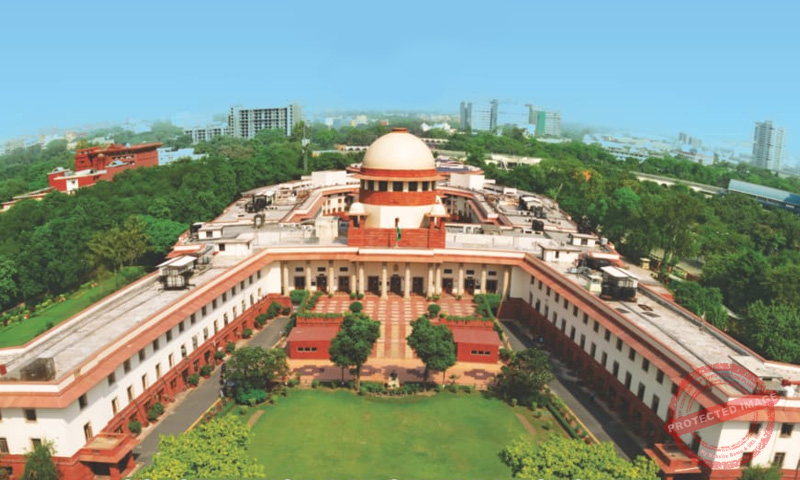
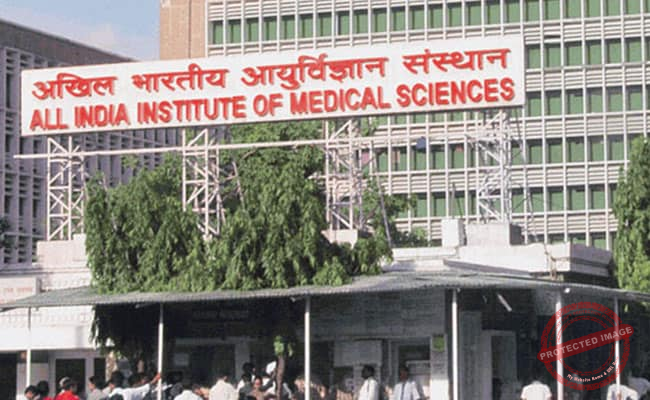
Rana’s father had petitioned the apex court after medical boards concluded that his son’s condition offered no hope of recovery. The court emphasised that continuing treatment served only to prolong biological existence without therapeutic benefit and stressed that the withdrawal must be carried out in a humane and dignified manner. It also directed that Rana be admitted to the All India Institute of Medical Sciences (AIIMS) for the process of withdrawing life support.
Legal experts note that while passive euthanasia has been legally recognised in India since the Common Cause case, this may be the first instance in which the Supreme Court has authorised a specific request to end life‑support treatment through its judicial order.
The ruling is expected to shape future discourse on medical ethics and end‑of‑life care in India, reaffirming the delicate balance between legal rights, clinical assessments, and deeply emotional family decisions.
Follow us On Our Social media Handles :
Instagram
Youtube
Facebook
Twitter
Also Read- Pune