Supreme Court Asks Centre to Clarify If Dowry Law Section 498A Applies to Live-in Partners
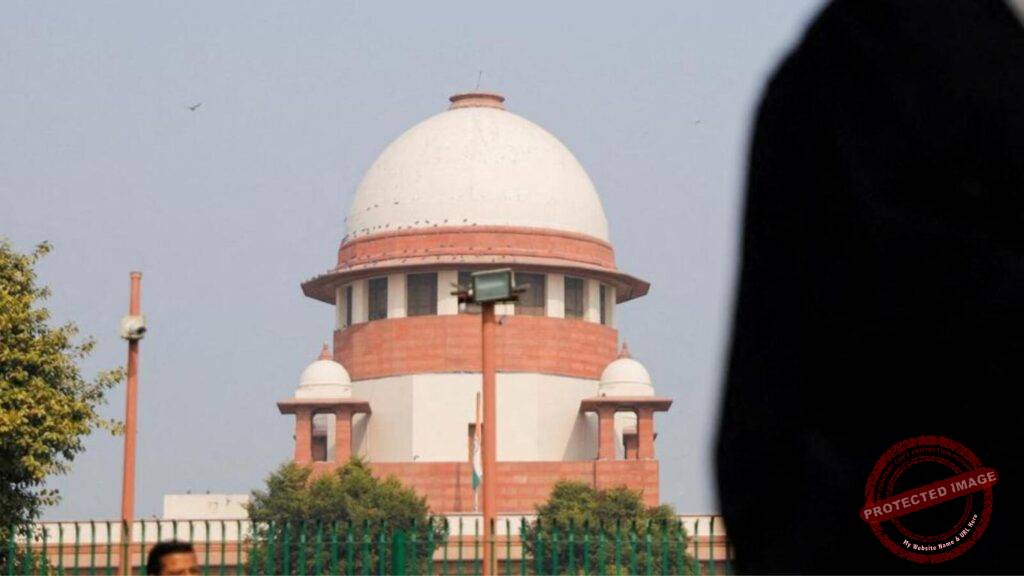
Supreme
The Supreme Court has sought a response from the Centre on whether a live-in partner can file a dowry harassment complaint against a married man under Section 498A of IPC
New Delhi | February 14, 2026: India’s highest court is examining a significant legal question: Can a woman in a live-in relationship file a complaint under Section 498A of the Indian Penal Code (IPC) commonly referred to as the dowry harassment law against a married man? The issue emerged during the hearing of an appeal by a doctor from Karnataka who is challenging two charge sheets accusing him of harassing his live-in partner for dowry.
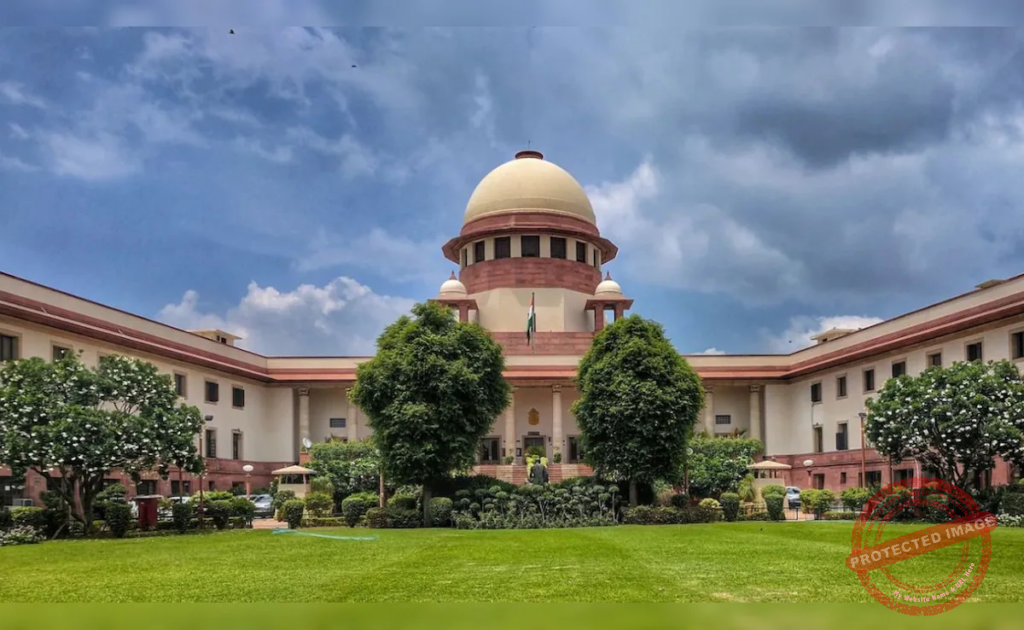
A bench of the Supreme Court of India has asked the Centre (Government of India) to provide its stand on whether Section 498A traditionally available only to a wife against her husband and his family can be invoked by a woman who is not legally married to the man but was in a live-in relationship with him.
The legal debate arises from a broader discussion about how personal laws are interpreted in the context of changing social relationships. Experts note that while live-in relationships have become more common, Indian law has historically drawn distinctions between formal marriage and cohabitation without marriage, especially for provisions like Section 498A, which was enacted to protect married women from cruelty and dowry-related harassment.

In its order, the Supreme Court said that the Centre’s clarification is necessary to understand how the provision should apply in such circumstances. The court is likely to consider legislative intent, statutory language, and legal precedents while deciding whether the ambit of Section 498A can extend beyond marital relationships.
Legal scholars say the outcome could have far-reaching implications for family law jurisprudence in India, potentially affecting how courts treat disputes involving live-in partners and the scope of protective provisions in the IPC. The Centre’s response is expected within the next few weeks, after which the Supreme Court will take further steps on the matter.
Follow us On Our Social media Handles :
Instagram
Youtube
Facebook
Twitter
Also Read- Pune