Supreme Court to Hear Challenge on Shariat Inheritance Law, Highlights Civil Code as True Solution
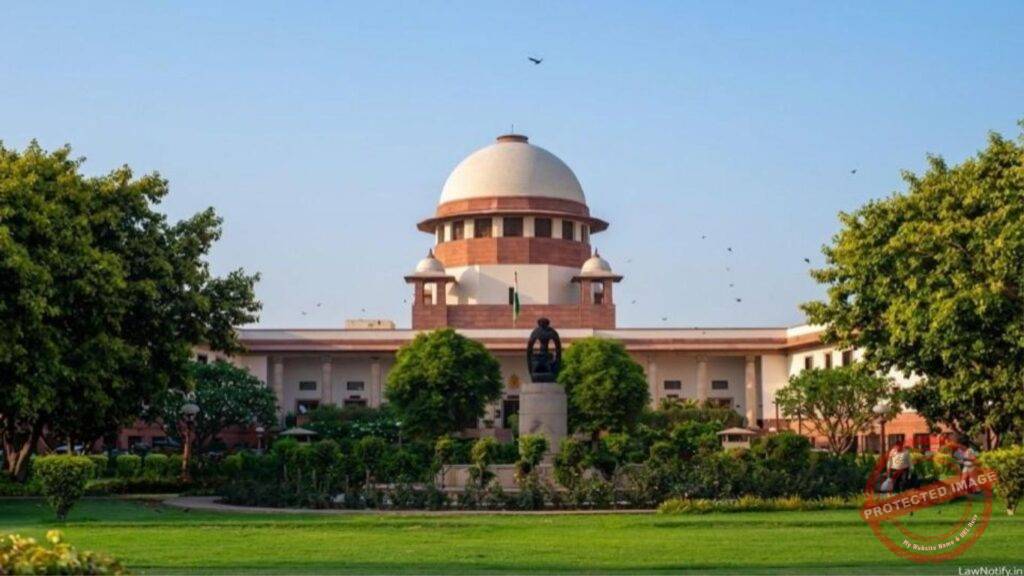
Supreme
Petitioner argues that Shariat inheritance provisions discriminate against women; Supreme Court notes personal law reform falls under Parliament, endorses uniform civil code as ultimate remedy
New Delhi | 11 March, 2026 : The Supreme Court of India will hear a petition challenging discriminatory provisions in the Muslim Personal Law (Shariat) Application Act, 1937, particularly those relating to inheritance rights, which grant women smaller shares than men. The petition, filed by Pauomi Shukla, asserts that these rules violate women’s rights to equality and dignity under the Constitution.
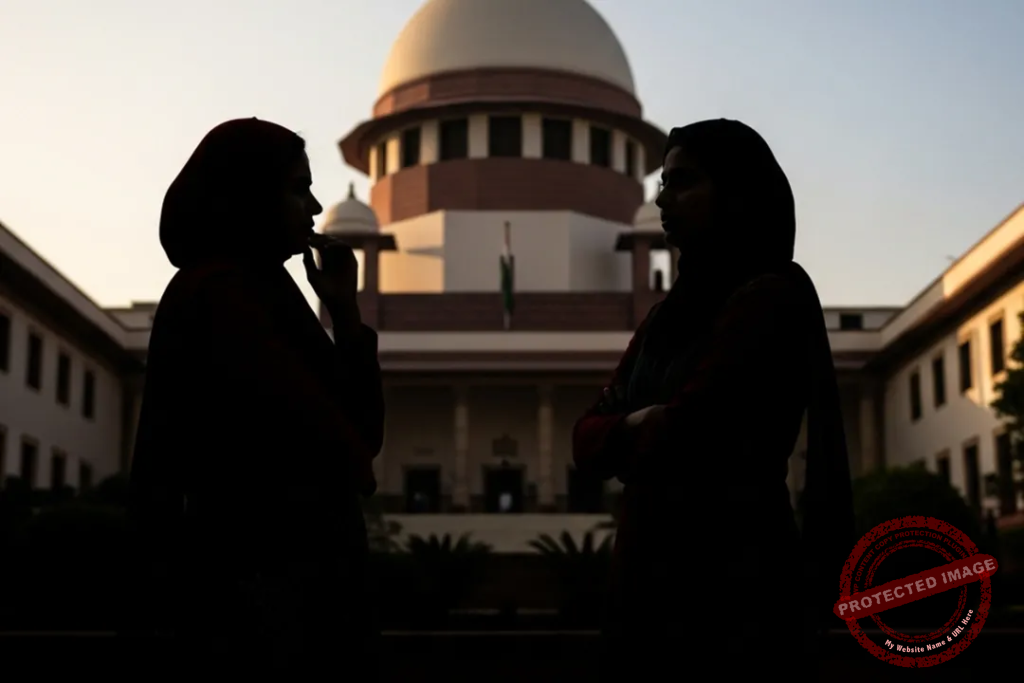
A three‑judge bench led by Chief Justice Suryakant and Justices Joymalya Bagchi and R. Mahadevan expressed concerns over whether the factual validity of personal law practices can be examined by courts. The bench highlighted that personal laws, historically protected under constitutional provisions, are typically a matter for legislative reform rather than judicial intervention.
The court noted that directly striking down inheritance rules could create a legal vacuum. It emphasised that comprehensive reform of personal laws is best achieved through Parliament, with a Uniform Civil Code (UCC) representing the most effective solution for ensuring gender equality. The bench cited previous recommendations by the court in this regard, including the landmark Shayara Bano v. Union of India (2017) case, where triple talaq was abolished.
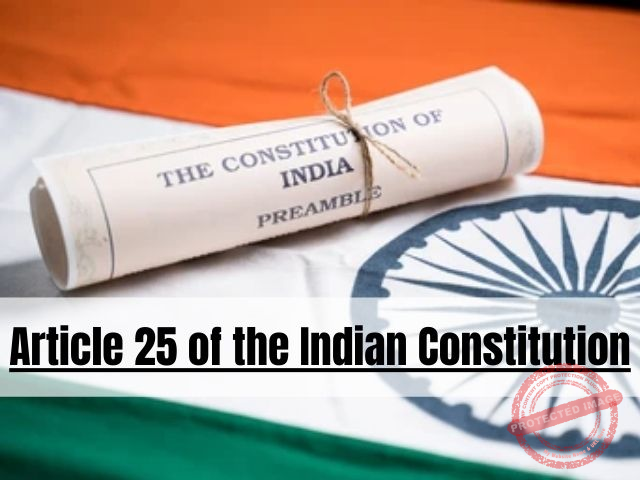
The petitioner argued that discriminatory inheritance provisions under Shariat law should not be treated as protected religious practices under Article 25 of the Constitution, since inheritance constitutes a civil right. The petition also noted that under current rules, a son receives double the share of a daughter, while a widow inherits only 12.5% of her husband’s estate, and widowers inherit 25% of their deceased wife’s estate.
The Supreme Court indicated that judicial intervention may be necessary when Muslim women seek enforcement of their rights, and requested clarity on the legal framework to apply if Shariat inheritance provisions are struck down.
Follow us On Our Social media Handles :
Instagram
Youtube
Facebook
Twitter
Also Read- Pune