Tiger and Leopard Numbers Rise in Maharashtra, Government Plans Safari Projects
Tiger and Leopard
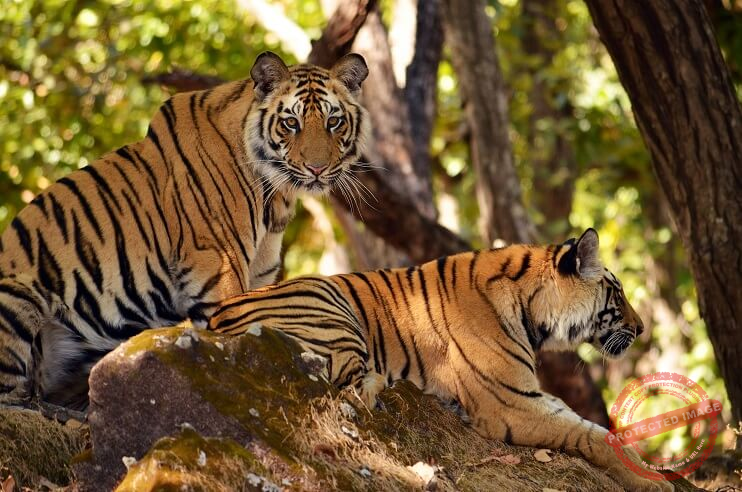
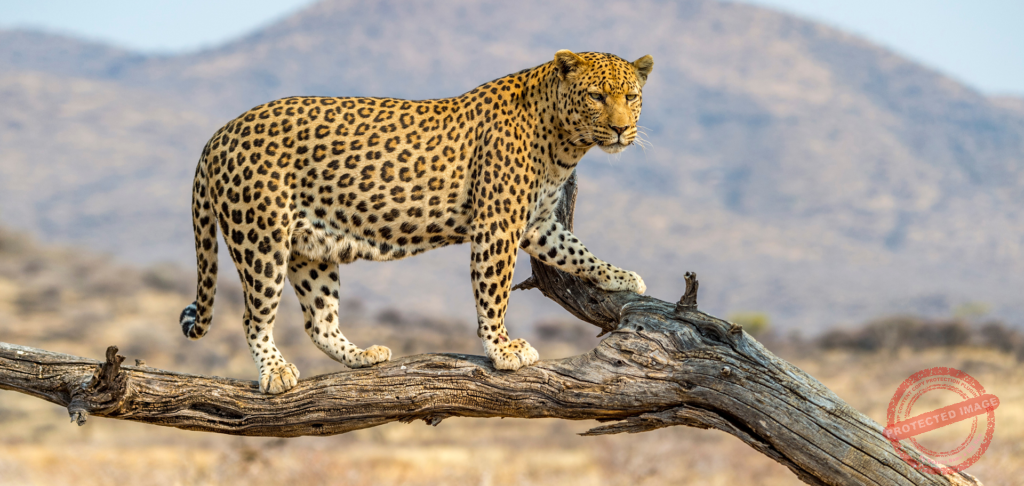
Maharashtra has witnessed a sharp rise in tiger and leopard populations, prompting the state government to consider launching safari projects and expanding conservation infrastructure. Forest Minister Ganesh Naik informed the Assembly that Vidarbha may see tiger projects in every district, while leopard safaris will be introduced across all revenue divisions.
Mumbai | 26 March 2026: Maharashtra Forest Minister Ganesh Naik on Wednesday informed the State Legislative Assembly that tiger numbers in Vidarbha and leopard populations across other regions of Maharashtra have increased significantly over the last few years, prompting the government to consider major conservation and eco-tourism initiatives.
Responding to questions raised by Congress MLA Nana Patole and supplementary queries by legislators including Kishor Jorgawar, Vikas Thakre, Krishna Khopde, Rajesh Padvi and Sulabha Khodke, Naik said the government is actively exploring the possibility of starting tiger projects in every district of Vidarbha, provided there is strong demand from local communities.
He added that the government also intends to introduce leopard safari facilities in each revenue division of Maharashtra, indicating a shift toward structured wildlife tourism combined with population management strategies.
The Forest Minister stated that the tiger population in Chandrapur forest division has seen a steep rise in the last five to seven years, increasing from around 100 to nearly 450. The growing wildlife population, he said, reflects the success of conservation measures but has also increased the urgency of managing human-wildlife conflict in sensitive zones.
Naik told the House that the state is working to strengthen Joint Forest Management (JFM) with the help of Artificial Intelligence (AI), in order to improve monitoring, patrolling, and early warning systems in forest regions. The integration of technology, he said, would make forest administration more effective and help reduce incidents involving wild animals entering human settlements.
He acknowledged that human-wildlife conflict has become a state-wide concern, affecting several districts beyond Vidarbha. With attacks by tigers and leopards being reported in different parts of Maharashtra, the government has begun establishing special treatment centres for victims injured in wildlife attacks. These centres, he said, are being equipped with medical facilities and specialised doctors to ensure timely treatment.
Naik further said the state is focusing on increasing the participation of local citizens through Joint Forest Management initiatives, which are expected to strengthen community involvement in forest protection and wildlife conservation.

While outlining future plans, the Forest Minister said the government is considering expanding tiger projects and safari initiatives beyond Vidarbha, with proposals being discussed for regions such as Konkan, Western Maharashtra, Marathwada and Khandesh. He clarified, however, that setting up tiger projects in densely populated urban areas is not feasible due to space constraints and safety concerns.
He assured the Assembly that the forest department remains alert to prevent repeat incidents of fatal tiger attacks, and that monitoring mechanisms are being improved continuously. Naik also indicated that a detailed project report (DPR) covering the proposed tiger reserves, safari zones and supporting infrastructure would be presented before the House in the near future.
In another significant remark, Naik said Maharashtra may also provide leopards to other states if formal requests are received, suggesting the possibility of inter-state wildlife transfers under regulated conservation frameworks.
The announcements signal Maharashtra’s intent to balance wildlife conservation with public safety, while also promoting eco-tourism as a revenue and employment generator in forest-rich districts. Officials believe that planned safaris and district-level projects could help streamline wildlife movement, boost tourism potential, and provide structured management of the growing tiger and leopard population across the state.
Follow us On Our Social media Handles :
Instagram
Youtube
Facebook
Twitter
Also Read- Pune