Tukaram Mundhe Responds to Allegations by Nagpur BJP MLA Krishna Khopade, Defends Integrity
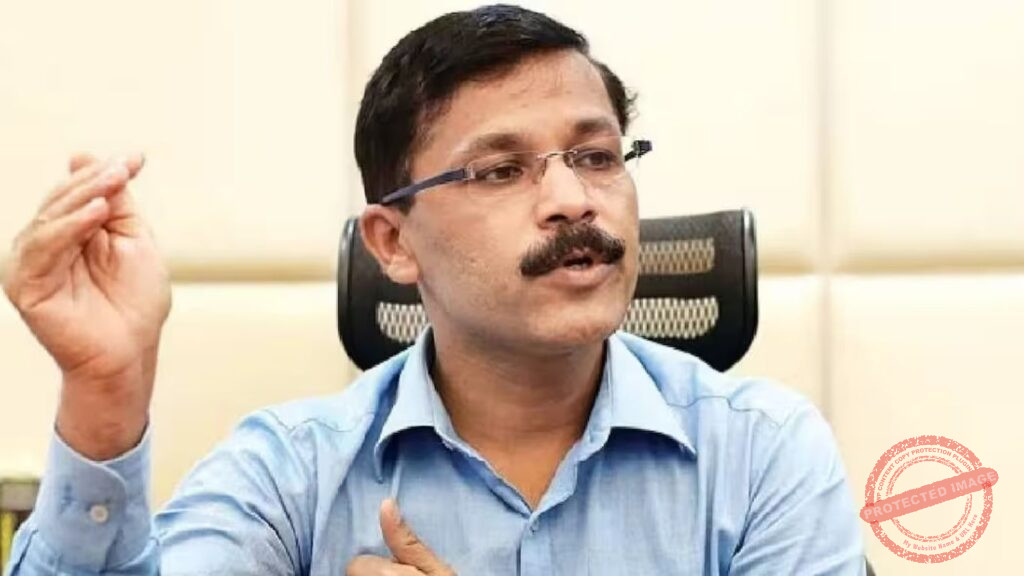
Tukaram Mundhe
Senior IAS officer Tukaram Mundhe has reacted to allegations made by Nagpur BJP MLA Krishna Khopade, questioning how much pressure an honest officer must endure.
Nagpur, December 15, 2025 – Senior IAS officer Tukaram Mundhe has issued a strong and clear response after allegations were made against him by Nagpur BJP MLA Krishna Khopade, sparking a fresh debate over political pressure on bureaucrats. Mundhe, known for his strict administrative style and no-nonsense approach, questioned how much harassment an honest officer is expected to endure while performing official duties.
Reacting publicly for the first time, Mundhe said that he has always carried out his responsibilities within the framework of rules and law. Without naming individuals directly, he suggested that allegations made against officers often arise when administrative decisions affect entrenched interests. According to him, transparency and rule-based governance frequently invite resistance, but that should not deter officers from doing their duty.
The controversy began after MLA Krishna Khopade made allegations questioning Mundhe’s functioning, triggering political reactions in Nagpur. While details of the accusations have not been officially documented, the remarks led to widespread discussion across political and administrative circles. Mundhe’s response has now added momentum to the debate.
Mundhe stated that bureaucrats are expected to implement government policies impartially, regardless of political considerations. He stressed that officers do not work for individuals but for the system and the public. He questioned whether adherence to rules should become a reason for repeated targeting and criticism.
The officer also highlighted the challenges faced by administrators who attempt reforms or enforce regulations strictly. He said resistance is inevitable when changes disrupt established practices, but backing down would compromise governance. Mundhe made it clear that he remains committed to transparency and accountability, even if it results in personal or professional discomfort.
Supporters of Mundhe, including retired officers and civil society members, have come out in his defence, praising his reputation for discipline and integrity. Many pointed out that he has faced similar opposition in past postings as well, often following firm action on civic issues. They argue that his experience reflects a larger pattern of bureaucrats being pressured for doing their job honestly.
On the political front, reactions have been mixed. Some leaders have backed Khopade’s right to raise concerns, stating that elected representatives must question administration when required. Others have cautioned against making unverified allegations that could demoralise officers and disrupt governance.
The episode has once again highlighted the delicate balance between political oversight and administrative independence. Experts say healthy democracy requires cooperation between elected representatives and civil servants, but constant friction can affect efficiency and morale.
Mundhe concluded by saying that he will continue to perform his duties as per the law and conscience, regardless of criticism. He emphasised that honest governance should not become a source of conflict and expressed hope that professionalism would prevail over personal or political differences.
As the issue continues to attract attention, it has reignited a broader conversation about protecting honest officers from undue pressure while ensuring accountability within the system. The coming days may see further political reactions, but for now, Mundhe’s response has firmly placed integrity and rule-based governance at the centre of the debate.