Vande Mataram Turns 150: The Song That Awakened a Nation

Mataram
Marking 150 years of Vande Mataram, India honors Bankim Chandra Chatterjee’s timeless hymn a song that ignited the freedom struggle, symbolized unity, and continues to inspire national pride and devotion.
New Delhi, November 7, 2025: This year marks 150 years since “Vande Mataram” India’s immortal national song first appeared in print on November 7, 1875. Translating to “Mother, I Bow to Thee,” the hymn continues to symbolize India’s unity, strength, and undying devotion to the motherland.
Composed by Bankim Chandra Chatterjee, the song was initially published in the literary journal Bangadarshan and later included in his revolutionary novel Anandamath (1882). Set to music by Rabindranath Tagore, Vande Mataram has since transcended literature to become a living emblem of India’s cultural and political identity.
The Constituent Assembly adopted it as India’s National Song in 1950, recognizing its unparalleled role in inspiring generations of freedom fighters and citizens. It was first sung by Tagore at the 1896 Indian National Congress session in Calcutta, and first used as a political slogan on August 7, 1905, during the anti-partition movement in Bengal when cries of Vande Mataram echoed through the streets of Calcutta as a vow to boycott British goods.
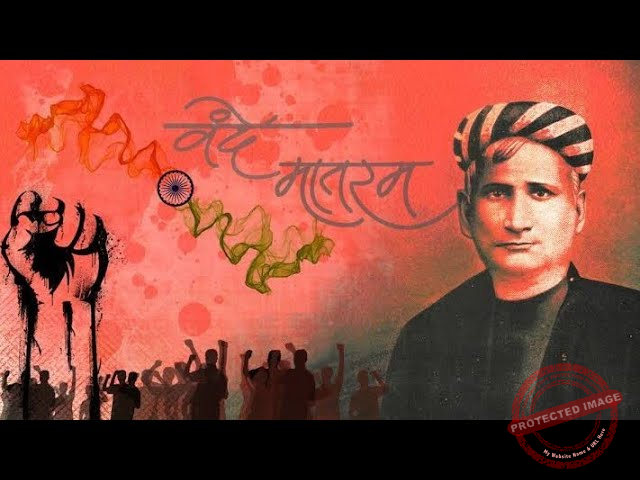
Sri Aurobindo, writing in 1907, recalled that Bankim composed the hymn thirty-two years earlier, long before it stirred the national conscience. He described it as “a song that embodied the religion of patriotism.” In Anandamath, the hymn is sung by Sanyasins called Santanas who renounce worldly life to serve their motherland, depicted as a divine mother.
Inside their temple, three forms of the Mother are worshipped the Mother that was, radiant in ancient glory; the Mother that is, bound in suffering; and the Mother that will be, restored to freedom and greatness. Aurobindo wrote, “The Mother of his vision held trenchant steel in her twice seventy million hands and not the bowl of the mendicant.”
The song’s resonance crossed borders. In 1907, Madam Bhikaji Cama unfurled the tricolour for the first time outside India, in Stuttgart, Germany emblazoned with the words Vande Mataram.
Today, as India celebrates 150 years of its National Song, the message of Vande Mataram remains timeless an enduring call to unity, sacrifice, and devotion to the nation. It reminds every Indian that the spirit of the motherland is not just a symbol but a living force that binds generations together.
Follow us On Our Social media Handles :
Instagram
Youtube
Facebook
Twitter
Also Read- Pune