West Bengal Witnesses Intense TMC & BJP Battle; Rudra Research Analytical Ground Report on Current Scenario.
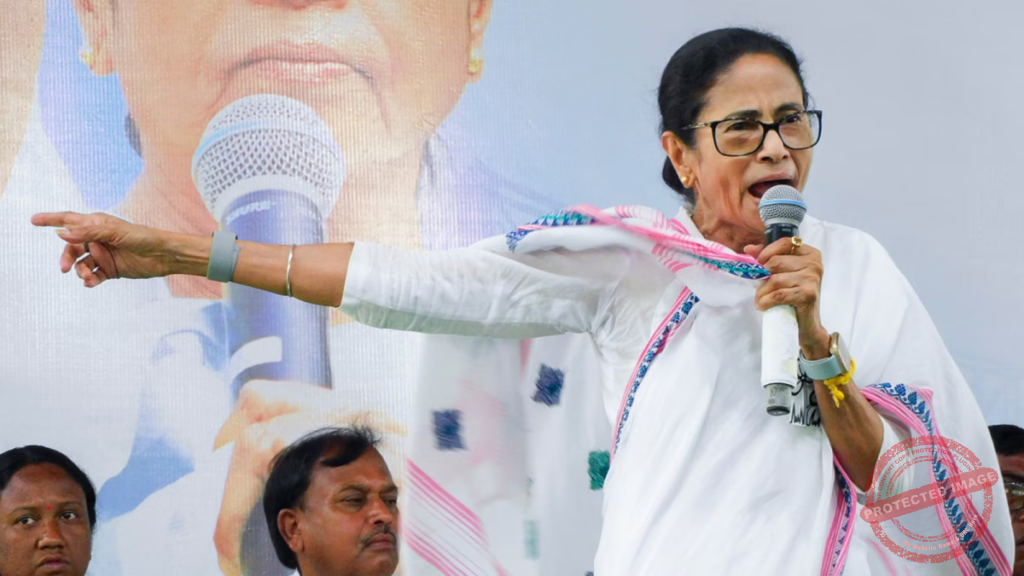
West Bengal Witnesses Intense TMC & BJP Battle; Rudra Research Analytical Report on Current Scenario
7 April 2026 : The West Bengal Assembly elections, considered one of the most significant in the country due to the state’s importance and large number of seats, will be held in two phases on April 23 and April 29. Compared to the 2019 Lok Sabha elections, the 2024 Lok Sabha elections saw gains for the Trinamool Congress (TMC), while the Bharatiya Janata Party (BJP) lost some seats. This indicates that the BJP is focusing more on the 2026 Assembly elections. On the other hand, the ruling TMC has concentrated on welfare schemes, organizational strength, and regional identity issues.
As in 2021, the primary contest this time also appears to be between TMC and BJP. Although Congress and Left parties are preparing for the elections, their influence appears limited. A new and stronger entrant this time is the alliance between AIMIM and rebel TMC leader Humayun Kabir’s Aam Janata Unnayan Party. The BJP has been targeting TMC on issues like corruption, infiltration, violence, and development. Meanwhile, TMC is countering BJP on issues such as alleged misuse of central investigative agencies, the controversy over the Special Intensive Revision (SIR) process, religious polarization, Bengali identity, and alleged manipulation of voter lists. The impact of the SIR process on citizens, possible division of Muslim votes due to the AIMIM alliance, the debate of Hindutva versus Bengali identity, and the intensity of anti-incumbency against Mamata Banerjee will influence the election outcome.
Rudra Research and Analytics has prepared this analytical report based on available data, political developments, and local inputs. Unlike 2021, when elections were conducted in eight phases, this time the Election Commission has announced only two phases April 23 and April 29, with results on May 4 West Bengal currently has approximately 76.6 million registered voters, including around 38.9 million male voters, 37.7 million female voters, and 1,777 others. There are 294 Assembly constituencies and 42 Lok Sabha constituencies. For the first time, the total number of voters has decreased compared to previous elections, reportedly due to the SIR process.
In the 2021 Assembly elections, TMC won 215 seats with about 47.9% vote share, while BJP secured 77 seats with 38.1%. In the 2024 Lok Sabha elections, TMC won 29 out of 42 seats with around 45% vote share, while BJP secured 12 seats. Congress managed only one seat. TMC’s success was driven by welfare schemes like Lakshmi Bhandar, strong support from women and Muslim voters, and emphasis on Bengali identity. TMC is allied with the Gorkha Prajatantrik Morcha. BJP and Congress are contesting independently. Left parties have allied with the Indian Secular Front, while AIMIM has joined hands with the Aam Janata Unnayan Party.
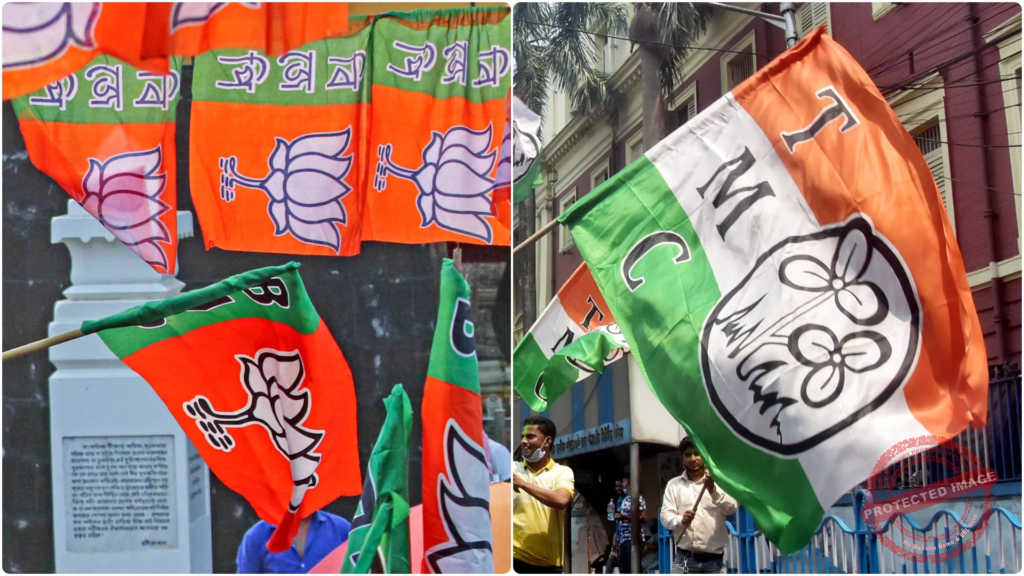
TMC has announced 291 candidates, dropping 75 sitting legislators due to poor performance and weak grassroots connection. The party has fielded 52 women candidates, 78 from Scheduled Castes, and 17 from Scheduled Tribes. For the past three terms, TMC under Mamata Banerjee has ruled the state. With Congress and Left declining, BJP has emerged as the main opposition. Issues like corruption, infiltration, and Hindutva have helped BJP expand its base. The SIR process has reportedly led to the deletion of around 6.3 million voter names, with another 6 million under scrutiny. TMC alleges targeting of minorities and poor voters, while BJP defends it as necessary to clean voter rolls.
Muslims constitute around 27–30% of voters and traditionally support TMC. BJP has gained ground among Scheduled Caste communities like Matua and Rajbanshi. Tribal voters in Junglemahal and communities in North Bengal are also crucial. TMC accuses central agencies like the Central Bureau of Investigation (CBI) and the Enforcement Directorate (ED) of political misuse, while BJP calls them anti-corruption actions. Issues like the teacher recruitment scam, coal scam, and cattle smuggling are prominent in BJP’s campaign. After three terms in power, there are signs of anti-incumbency against TMC, especially in urban areas like Kolkata.
Mamata Banerjee has announced several welfare measures, including increased financial assistance under the Lakshmi Bhandar scheme, monthly support of ₹1500 for unemployed youth under the Banglar Yuva Sathi scheme, payment of dearness allowance dues to employees and pensioners, and increased honorarium for priests and imams. BJP is focusing on Matua voters and North Bengal, where it has performed well in previous elections. The BJP has also raised concerns about political violence and highlighted the RG Kar hospital rape-murder case to question law and order in the state.

Prime Minister Narendra Modi’s rallies and campaign strategy are central to BJP’s election efforts. TMC has strengthened its hold in Muslim-dominated districts like Murshidabad and Malda, though the AIMIM alliance may split votes in these regions. There is a perception among some migrant voters that failing to vote could result in removal from voter lists, prompting many to return to the state. The state government has launched the Shramshree scheme, offering ₹5,000 annually to migrant workers visiting West Bengal. Union Home Minister Amit Shah has accused the TMC government of corruption, lawlessness, and insecurity. TMC has also alleged that BJP is attempting to include outsiders in the voter lists. TMC’s strengths include Mamata Banerjee’s leadership, welfare schemes, and minority support, while challenges include anti-incumbency and corruption allegations. BJP’s strengths include Narendra Modi’s popularity, strong organizational structure, and support among certain voter groups.
Overall, TMC may benefit from welfare schemes and leadership, while BJP gains from anti-incumbency and its campaign strategy. The contest in West Bengal is expected to be highly competitive.-( Rudra Research and Analytics)
Follow us On Our Social media Handles :
Instagram
Youtube
Facebook
Twitter
Also Read- Pune