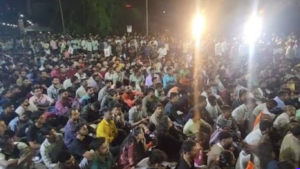
Hadapsar Residents Demand Action After HC Orders Scientific Waste Processing, But Foul Odour and Pollution Persist
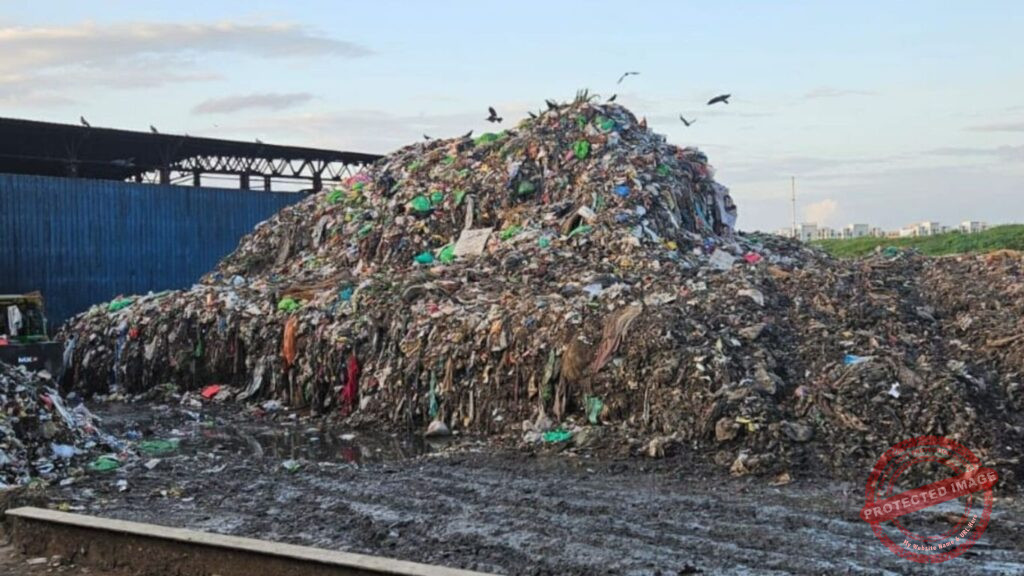
Despite Bombay HC mandating scientific waste treatment at Hadapsar, residents suffer toxic odours, respiratory issues, and await implementation of ordered measures.
Pune, October 13, 2025: Residents of Hadapsar and nearby localities including Sopan Baug, Uday Baug, BT Kawade Road, and Ghorpadi have once again raised serious concerns over waste mis-management at the local solid waste processing and composting plant. Odours, air pollution, and health impacts are reported daily, even after high court directives instructed the municipal bodies to adhere to stricter, scientific processes.
The Bombay High Court recently rejected a plea to relocate the Hadapsar waste plant, but issued clear orders that mixed solid waste must no longer be dumped at the 28-acre site. Instead, authorities were directed to upgrade operations: segregate waste, compost biodegradable material, recycle dry waste, and send non-biodegradable waste to authorised landfills. The court also mandated the suppression of odorous gases, toxic emissions, dust, and other pollutants using modern technology.
Despite those instructions, the complaints continue. Residents say foul smells linger around residential areas, windows cannot be kept open, and many individuals—especially children, elderly, and those with asthma—are developing respiratory issues. The waste plant, they assert, still processes mixed wet and dry garbage including animal and food waste, which intensifies the odour, especially when heavy machinery digs into decomposed piles.
In response to public pressure, municipal authorities have begun implementing some of the court’s order: installing high-pressure water-spraying systems to reduce odours, increasing the height of compound walls, issuing tenders for fogging/misting systems, considering automatic chemical sprinklers, and proposing covering certain composting units. However, residents argue that many of these measures remain incomplete or in the planning stage, not yet fully functional.
Health experts caution that long-term exposure to air contaminated by decomposing waste and frequent odour episodes can aggravate conditions like bronchitis, asthma, and may even increase risk of more serious respiratory ailments. Local residents are calling for faster implementation, greater transparency, routine monitoring, and stricter accountability from PMC, PCB, and environmental regulators.
Some neighbourhood forums have pledged renewed protests and legal action if the plant’s operations do not improve soon. They demand regular public disclosure of compliance data, better grievance redressal, and stronger monitoring by pollution control authorities.
This standoff highlights a broader challenge in rapidly urbanising areas: balancing essential waste infrastructure with community health and livability. Hadapsar residents are making it clear—they are not asking the plant be simply moved; they are demanding that the legally ordered standards be met, and met swiftly, so they can breathe clean air again.
Follow us On Our Social media Handles :
Instagram
Youtube
Facebook
Twitter