Trump Says Supreme Court Decision on Tariffs Could Endanger US Security
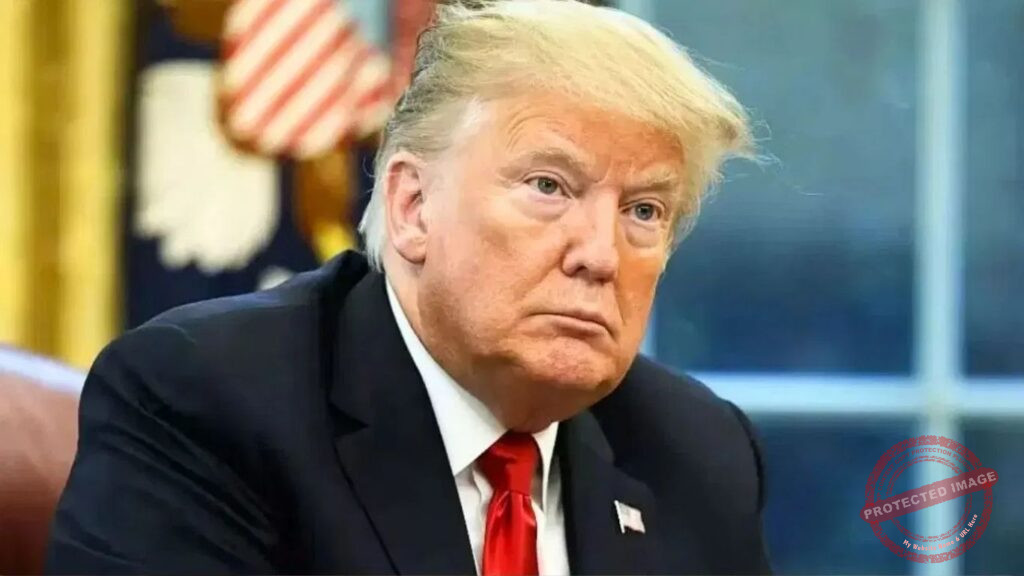
Trump
Donald Trump warns that if the Supreme Court rules against his tariff powers, it could pose the biggest threat to US national security and disrupt America’s economic defense.
Washington, DC, December 10, 2025 – Former US President Donald Trump has intensified his warnings over the ongoing Supreme Court review of his tariff powers, claiming that a ruling against him could severely compromise national security. Trump said that if the court overturns the authority used to impose large-scale import tariffs, the United States would be left unable to protect its economy from what he calls aggressive trade practices by other nations. According to him, such a decision would be the biggest threat in the country’s history.
The case being examined revolves around whether a president can apply extensive tariffs using national security or emergency economic powers. Trump relied on this approach to implement duties on imports from multiple countries during his administration. His team argued at the time that foreign governments were undermining American industries through unfair pricing and production methods, making tariffs essential for leveling the playing field.
Those contesting the tariffs argue that the constitution gives Congress, not the president, the power to regulate trade and impose duties. Several business groups and state governments believe Trump exceeded legal limits by using emergency powers for what they describe as a long-term trade strategy rather than a direct emergency. If the court agrees with this argument, it could invalidate significant parts of the tariff structure introduced during Trump’s term.
The stakes are unusually high. Trump’s supporters believe that the tariffs strengthened domestic production and reduced dependence on foreign supply chains. They insist that removing or limiting these powers would weaken the United States in the face of global competition and potential economic coercion. Trump has repeatedly suggested that rival economies benefit from American openness, while the United States suffers from trade deficits and loss of manufacturing strength.
Critics take the opposite view. They argue that the tariffs increased prices on essential goods, forced companies to adjust supply chains within a short time and placed additional burdens on American consumers. Many economists pointed to rising costs during Trump’s tenure and claimed that the tariffs contributed to inflation. This dispute has only grown louder as the Supreme Court moves closer to a final ruling.
International reaction has also been cautious. Countries targeted by the tariffs may reconsider their own policies depending on how the legal process ends. If Trump’s authority is upheld, future presidents could rely on similar powers when dealing with global trade disputes. If it is overturned, the United States may need to negotiate tariff policy more directly through Congress, which could slow decisions during fast-changing economic situations.
Whatever the judgment, the outcome will shape the balance of power between the executive branch and the legislature on matters of trade and national security. It could also influence global markets that have already been adjusting to protectionist policies around the world. Trump’s dramatic warning reflects his belief that removing these tools would leave America unprepared for potential economic threats. His opponents believe that constitutional boundaries and economic stability matter more than presidential discretion.
All sides now wait for the Supreme Court to deliver one of its most significant trade-related rulings in years. The result could redefine how the United States protects its economy, negotiates with other nations and manages national security in an increasingly competitive global environment.
Do-follow Links:
Instagram
YouTube
Facebook
Twitter