Cybersecurity Experts Warn of Rising Linux Rootkit Threats Targeting Global Systems
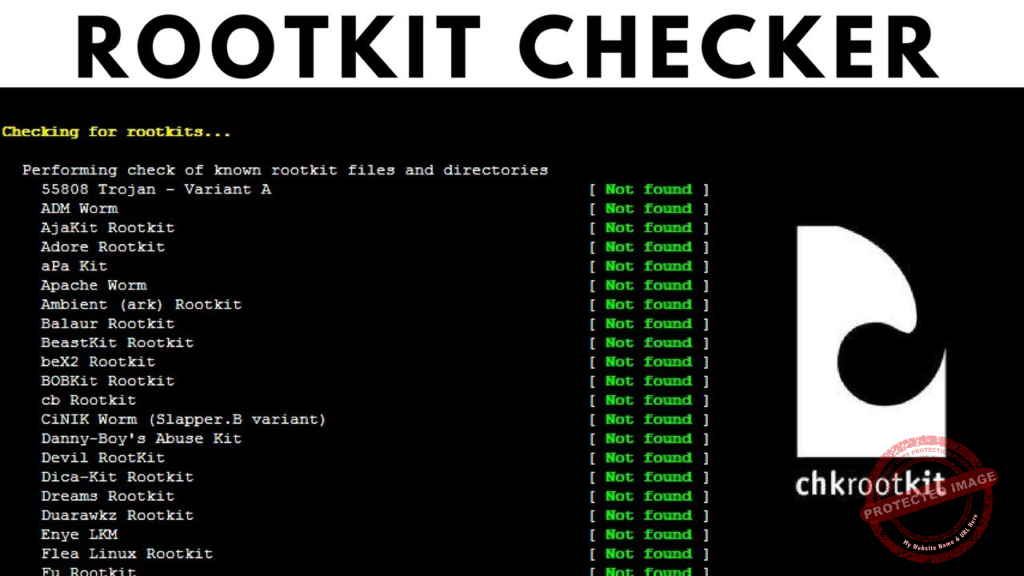
Root Kit Checker
Security researchers have raised alarm over advanced Linux rootkits capable of hiding malicious activity, stealing data and maintaining persistent access across critical systems and enterprise infrastructure worldwide.
May 21, 2026 | San Francisco
Cybersecurity researchers have issued a fresh warning over the growing use of sophisticated Linux rootkits by cybercriminal groups targeting enterprise servers, cloud infrastructure and critical digital systems worldwide. The latest findings highlight how attackers are increasingly shifting focus towards Linux-based environments as businesses continue expanding cloud computing and remote infrastructure operations.
According to security experts, modern Linux rootkits are designed to secretly infiltrate systems, evade detection and maintain long-term unauthorized access without alerting administrators. These malicious programs operate deep within operating systems, allowing attackers to hide files, manipulate processes and steal sensitive information while remaining virtually invisible to traditional security monitoring tools.
Researchers noted that several newly observed variants are capable of disabling logging mechanisms, intercepting network activity and concealing malicious communications from cybersecurity teams. Experts believe these advanced techniques are making threat detection significantly harder, particularly for organizations relying on outdated monitoring systems or poorly configured cloud environments.
The warning comes amid a global rise in ransomware attacks, data theft campaigns and state-linked cyber espionage operations. Linux servers are widely used across banking systems, telecom networks, government platforms and major technology infrastructure, making them highly attractive targets for threat actors seeking persistent access to valuable digital assets.

Cybersecurity analysts have advised organizations to strengthen endpoint monitoring, regularly update systems and deploy advanced behavioural detection tools capable of identifying suspicious kernel-level activity. Multi-factor authentication, strict privilege controls and regular security audits are also being recommended to reduce exposure to evolving threats.
Industry experts say the growing sophistication of Linux-focused malware reflects a broader shift in cyber warfare strategies, where attackers are prioritizing stealth, persistence and long-term infiltration over immediate disruption. As cyberattacks continue becoming more advanced, businesses are being urged to treat Linux infrastructure security with the same urgency traditionally reserved for Windows-based systems.
Social media Handles :
Instagram
Youtube
Facebook
Twitter
Also Read- Pune