Ajit Pawar Slams BJP Over Alleged Corruption in Pimpri-Chinchwad Municipal Corporation
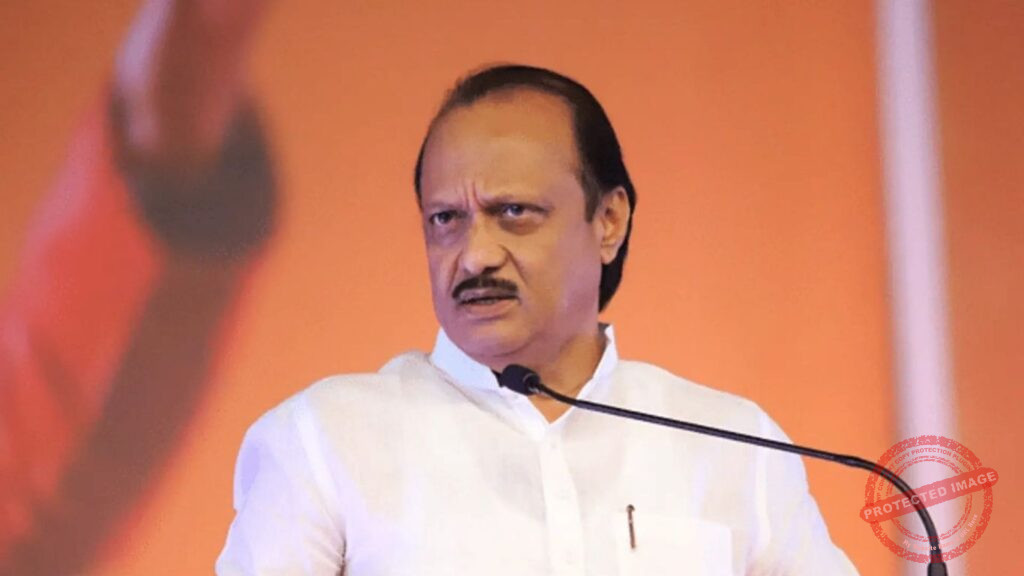
Ajit Pawar
NCP leader Ajit Pawar targets BJP over alleged corruption in Pimpri-Chinchwad Municipal Corporation, intensifying political attack ahead of civic elections.
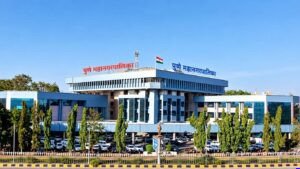
January 2, 2026 | Pimpri-Chinchwad – Nationalist Congress Party leader Ajit Pawar has launched a sharp attack on the Bharatiya Janata Party, alleging large-scale corruption in the Pimpri-Chinchwad Municipal Corporation. His remarks, made on January 2, 2026, have escalated political tensions in the industrial city ahead of the crucial civic elections, turning corruption and governance into key talking points of the campaign.
Addressing party workers and local residents, Ajit Pawar accused the BJP-led administration of mismanagement and corruption in municipal functioning. He claimed that despite Pimpri-Chinchwad being one of the richest municipal corporations in Maharashtra, citizens continue to face basic civic issues such as poor roads, water supply problems, irregular garbage collection, and inadequate infrastructure. According to Pawar, the gap between budget allocations and ground-level work clearly indicates misuse of public funds.
Ajit Pawar alleged that development projects announced with much publicity have failed to deliver real benefits to citizens. He questioned where the municipal funds were being spent and demanded transparency and accountability from those in power. Pawar stated that corruption has stalled genuine development and that taxpayers’ money is not reaching its intended purpose.
The NCP leader also criticised the BJP for what he described as hollow claims of good governance. He argued that if governance had truly been transparent and efficient, residents of Pimpri-Chinchwad would not be struggling with everyday civic problems. Pawar asserted that the municipal corporation needs leadership that understands local issues and prioritises people over political interests.
His statements have given momentum to the opposition narrative in the run-up to the municipal elections. NCP leaders believe that corruption allegations resonate strongly with urban voters, especially when linked to visible civic shortcomings. Party workers have been directed to highlight alleged irregularities and demand answers from the ruling party during the campaign.
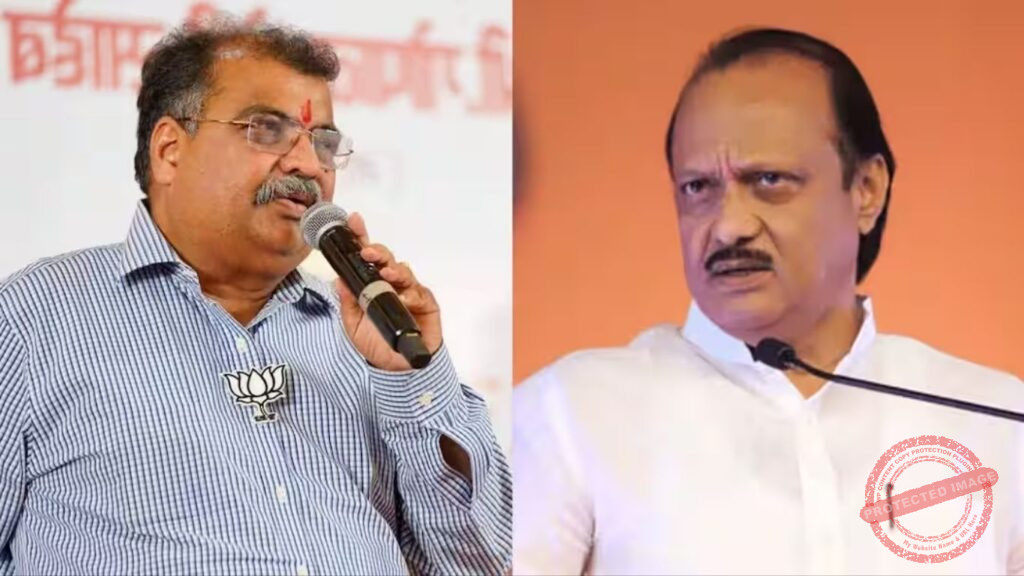
The BJP has rejected Ajit Pawar’s allegations, calling them politically motivated and baseless. Party leaders have defended their governance record, stating that Pimpri-Chinchwad has witnessed significant infrastructure development, improved services, and industrial growth under their administration. They accused the opposition of resorting to allegations to divert attention from their own shortcomings.
Political analysts observe that Pimpri-Chinchwad has emerged as a major political battleground in the civic elections. With its large voter base, industrial importance, and high revenue, control over the municipal corporation carries both administrative and symbolic significance. Corruption allegations, whether proven or not, are expected to play a central role in shaping voter perception.
Experts also point out that municipal elections often hinge on local governance issues rather than broader state or national politics. Allegations of corruption directly impact voter trust, making accountability and transparency decisive factors. Ajit Pawar’s aggressive stance is seen as an attempt to consolidate anti-incumbency sentiment and position the NCP as a credible alternative.
Local residents have expressed mixed reactions to the allegations. While some agree that civic services have room for improvement, others stress the need for concrete evidence and accountability mechanisms rather than political rhetoric. Civil society groups have urged authorities to conduct audits and make findings public to address concerns objectively.
As of January 2, 2026, Ajit Pawar’s attack on the BJP has intensified the political discourse in Pimpri-Chinchwad. With campaigning expected to grow sharper in the coming days, corruption, development, and civic governance are likely to dominate the election narrative. The outcome will ultimately depend on how convincingly parties address voter concerns and present their vision for the city’s future.
Follow us On Our Social media Handles :
Instagram
Youtube
Facebook
Twitter
Also Read- Pune