Maharashtra Cricket Association Elections Postponed, Bombay High Court Reprimands MCA Over Arbitrariness
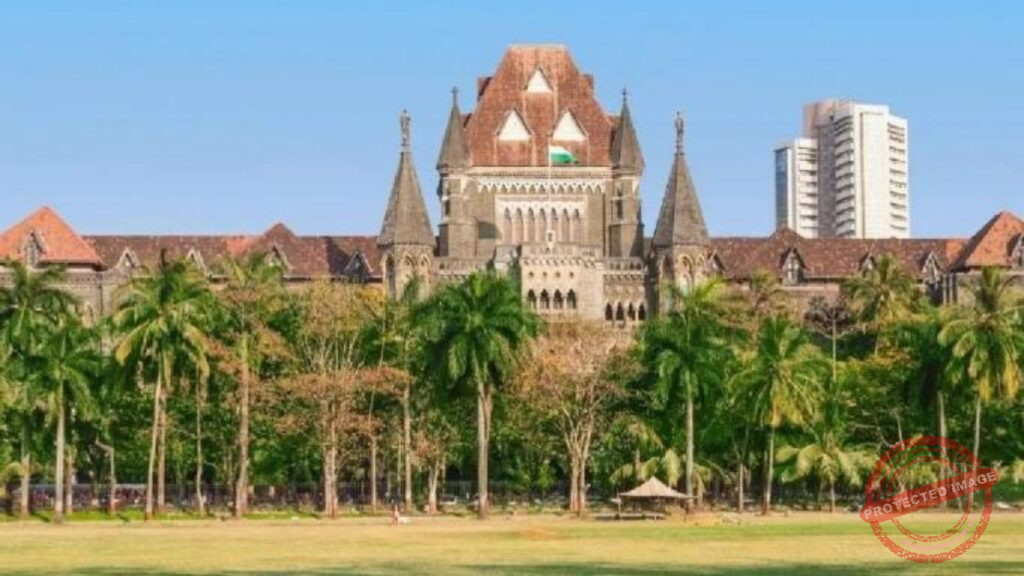
Bombay High Court Grants Interim Protection in APS Wealth Ventures Case
The Bombay High Court pulls up the Maharashtra Cricket Association over arbitrariness and postpones MCA elections, bringing temporary relief amid governance concerns.
January 6, 2026 | Mumbai – The Bombay High Court has stepped in firmly to curb alleged arbitrariness within the Maharashtra Cricket Association by ordering the postponement of its elections and sharply reprimanding the association’s functioning. The court’s intervention, reported on January 6, 2026, has brought the spotlight back on governance standards, transparency, and democratic processes within one of India’s most influential cricket bodies.
The case was brought before the High Court after serious objections were raised regarding the manner in which the MCA was conducting its election process. Petitioners argued that crucial decisions were taken unilaterally, sidelining established rules and denying fair opportunity to stakeholders. The plea highlighted concerns over lack of transparency and alleged manipulation in the election schedule and procedures.
During the hearing, the Bombay High Court expressed strong displeasure at what it described as arbitrary conduct by the MCA. The court observed that organisations entrusted with public responsibility, especially sports bodies of such stature, cannot function according to individual whims. It underlined that elections must be conducted strictly as per rules, ensuring fairness, equality, and transparency for all members.
The court’s order to postpone the elections has temporarily halted the MCA’s electoral process until compliance with due procedure is ensured. Legal experts view this as a corrective step rather than interference, aimed at restoring credibility to the institution. The court also made it clear that autonomy does not grant immunity from judicial scrutiny when governance lapses are alleged.
The Maharashtra Cricket Association holds significant influence in Indian cricket administration, including representation at the national level and control over major cricket infrastructure in the state. Consequently, elections within the MCA often attract intense attention, internal rivalries, and legal challenges. Any dispute involving the association has wider implications for cricket administration in Maharashtra.
Reactions to the High Court’s order have varied. Several MCA members and cricket stakeholders have welcomed the decision, stating that it brings long-overdue accountability and checks misuse of power. They believe the postponement was necessary to ensure that elections are held in a fair and democratic manner.
On the other hand, some voices within the cricketing community have expressed concern that prolonged legal battles and delays could hamper the association’s routine functioning. They have urged the MCA to promptly comply with the court’s directions so that a fresh election schedule can be announced without further controversy.
Sports governance experts say the case reflects a broader challenge faced by many sporting bodies in India, where internal democracy is often overshadowed by power struggles. They argue that judicial oversight becomes inevitable when grievance redressal mechanisms within organisations fail to function effectively.
The Bombay High Court’s reprimand sends a strong message that sports bodies, despite their autonomous status, must adhere to principles of fairness and accountability. Courts, they note, intervene only when there is a clear perception that democratic norms are being compromised.
As of January 6, 2026, the Maharashtra Cricket Association elections remain postponed, with the association expected to revisit its procedures and align them with legal and constitutional requirements. The next steps will depend on how quickly and sincerely the MCA addresses the concerns raised before the court.
This development marks an important moment for sports administration in Maharashtra, reinforcing that transparency and rule-based governance are essential for maintaining public trust. The coming days will determine whether the MCA can course-correct and conduct elections that are both credible and legally sound.
Follow us On Our Social media Handles :
Instagram
Youtube
Facebook
Twitter
Also Read- Pune