Why Married Couples Are Avoiding Having Children? Rise Of ‘DINK Couples’ In India Explained
pune
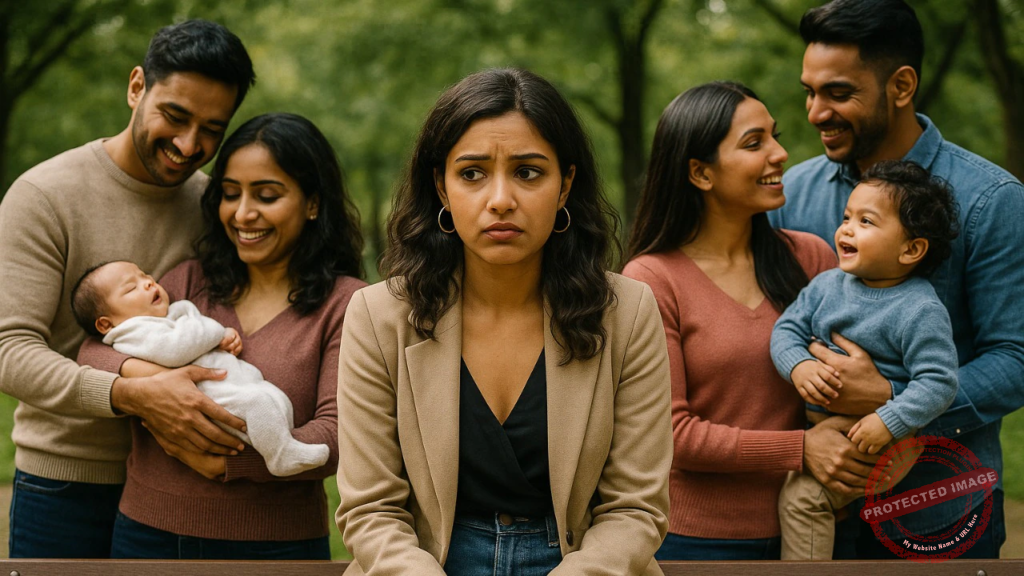
A growing number of urban married couples in India are choosing a child-free lifestyle, popularly called the DINK trend. Economic pressures, career priorities, lifestyle choices, and changing social attitudes are driving this shift.
Pune | March 7, 2026: A noticeable social shift is emerging in India’s urban landscape as more married couples choose to remain child-free, embracing what is widely known as the “DINK” lifestyle-Dual Income, No Kids. Once considered unconventional in a country where parenthood has long been viewed as a natural step after marriage, the concept is gradually gaining acceptance among younger, financially independent couples.
Experts say the change reflects evolving priorities among urban professionals who are navigating a fast-paced lifestyle and rising financial responsibilities. One of the most significant factors influencing this decision is the increasing cost of raising children. Education expenses, healthcare costs, housing, and extracurricular activities require long-term financial commitments, making many couples reconsider whether they are prepared for such responsibilities. For couples already balancing home loans, high rents, and everyday living expenses in major cities, raising a child can appear financially overwhelming.
Career ambitions are another major factor driving the rise of DINK households. Many young professionals today are focused on building stable careers, achieving financial independence, and exploring global opportunities. Long working hours and competitive job environments make it challenging to balance professional responsibilities with parenting duties. As a result, some couples choose to prioritise career growth and personal goals instead of starting a family early in their marriage.
Lifestyle preferences also play a crucial role in this shift. Couples who opt for a DINK lifestyle often value flexibility and independence. Without the responsibilities associated with raising children, they can travel more frequently, invest in hobbies, pursue higher education, or relocate for better career opportunities. This freedom allows them to focus on personal development and shared experiences as partners.

Changing social attitudes are also contributing to the trend. While earlier generations often viewed marriage and parenthood as inseparable, modern couples are increasingly questioning traditional expectations. Many believe that having children should be a conscious choice rather than a social obligation. In metropolitan areas especially, the decision to remain child-free is slowly gaining acceptance, although it can still attract criticism from more traditional sections of society.
Another factor influencing this mindset is concern about the future. Issues such as climate change, environmental degradation, and economic uncertainty have led some couples to reconsider the long-term implications of bringing children into the world. For them, the decision is tied not only to personal lifestyle choices but also to broader global concerns.
Interestingly, many DINK couples choose to adopt pets instead of having children. Pets often provide emotional companionship and a sense of family without the extensive financial and long-term commitments associated with raising a child. This trend has become particularly popular among millennials and younger professionals living in urban areas.

Sociologists note that while the number of DINK households in India is still relatively small compared to countries in the West, the trend is steadily growing in metropolitan cities such as Mumbai, Bengaluru, Delhi, and Pune. The rise of such households reflects broader social and economic transformations in Indian society, including higher levels of education, financial independence among women, and a growing emphasis on personal choice in marriage and family life.
As Indian society continues to evolve, the increasing visibility of DINK couples highlights how concepts of marriage, family, and personal fulfillment are being redefined by a new generation. While the traditional family structure remains dominant, the growing acceptance of child-free marriages signals a shift toward greater diversity in lifestyle choices.
Follow us On Our Social media Handles :
Instagram
Youtube
Facebook
Twitter
Also Read- Pune