Pakistan Imposes Smart Lockdown Amid Energy Crisis, Shops and Highways Shut, Weddings Restricted
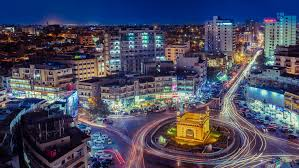
Pakistan
Pakistan has announced a “smart lockdown” from April 4-5 to tackle a severe fuel and gas crisis triggered by the West Asia war. Shops, highways and transport services will remain shut, impacting daily life and planned weddings.
Islamabad | March 26, 2026: Facing a deepening economic shock caused by a global fuel supply crunch, Pakistan has decided to impose a “smart lockdown” to control the growing impact of the ongoing West Asia conflict on its energy availability. The decision was taken by Prime Minister Shehbaz Sharif’s government as the country struggles with soaring prices of petrol, diesel and cooking gas. Officials said the smart lockdown will remain in force until further orders and is likely to be implemented from April 4-5 onwards. Under the restrictions, nationwide curbs will be imposed every weekend, beginning Saturday midnight at 12.01 am and continuing until Sunday night 11.59 pm.
As part of the lockdown measures, all shops and commercial establishments will remain closed during the restricted hours. In addition, movement on motorways and highways will be completely suspended, severely affecting travel and transportation of goods. The government’s decision is expected to disrupt routine activities across the country, with citizens facing limited access to markets and essential services. The lockdown has also created unexpected complications for families with wedding plans. Reports indicate that wedding ceremonies and large gatherings may not be permitted during the restriction period, forcing many to postpone celebrations until the curbs are lifted.

The government’s move comes as Pakistan battles a sharp rise in LPG prices. The cost of an 11.67 kg LPG cylinder has reportedly jumped from around 3,900 Pakistani rupees to over 5,130 rupees. Earlier, the price fluctuated between 3,150 and 3,950 rupees, but the recent spike has placed additional pressure on households already struggling with inflation. The rising fuel costs have also impacted public transport fares, particularly for LPG-based rickshaws, buses and minibuses, increasing the financial burden on lower and middle-income commuters. Petrol and diesel prices have also witnessed a major hike, affecting the overall cost of living. With the country already facing an economic slowdown, the energy crisis is expected to further intensify public hardship in the coming weeks
Follow us On Our Social media Handles :
Instagram
Youtube
Facebook
Twitter
Also Read- Pune