New Solid Waste Management Rules Come Into Force Across India From April 1, 2026
New Solid Waste Management Rules
India has implemented revised Solid Waste Management Rules from April 1, 2026, mandating four-way waste segregation, stricter compliance, and accountability measures to improve recycling, reduce landfill dependence, and promote a circular economy nationwide.
Pune | April 1, 2026: The Government of India has brought into force the revised Solid Waste Management (SWM) Rules, 2026, marking a significant overhaul of the country’s waste handling framework with an emphasis on segregation, accountability, and sustainability.
Notified under the Environment (Protection) Act, 1986, the new rules replace the earlier 2016 framework and are designed to address growing concerns around urban waste generation and environmental degradation. The updated regulations introduce structural changes aimed at transitioning India from a “collect-and-dump” approach to a more scientific and circular waste management system.
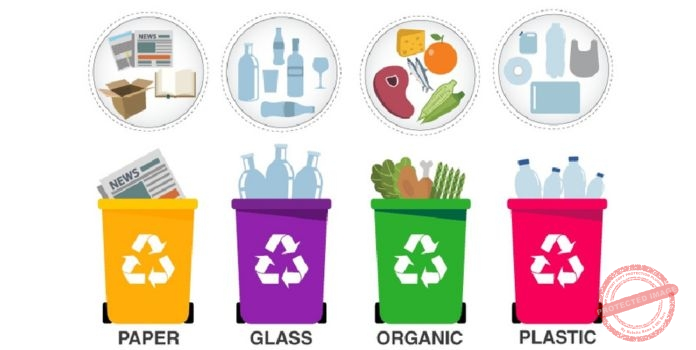
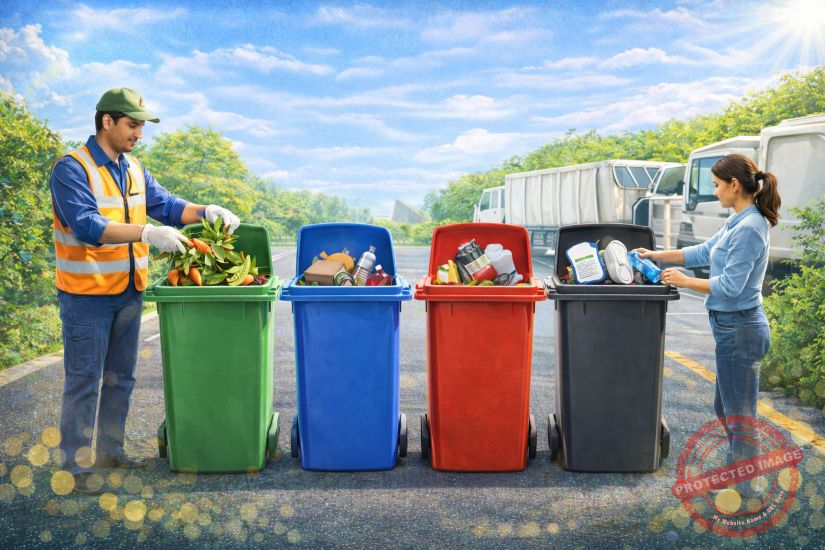
One of the most notable changes is the mandatory segregation of waste into four distinct categories at the source. Households, commercial establishments, and institutions are now required to separate waste into wet (biodegradable), dry (recyclable), sanitary, and special care or domestic hazardous waste. This replaces the earlier two or three-bin system and is expected to significantly improve recycling efficiency and safe disposal practices.
Authorities have also introduced stricter enforcement mechanisms under the “polluter pays” principle. Non-compliance, including improper segregation, unregistered operations, or false reporting, may attract environmental compensation penalties imposed by State Pollution Control Boards and other regulatory bodies.
The revised rules place greater responsibility on bulk waste generators such as housing societies, commercial complexes, hotels, and institutions. These entities are now required to process wet waste on-site wherever feasible or ensure environmentally sound disposal through authorized agencies. This move is expected to reduce the burden on municipal systems, as bulk generators account for a significant portion of urban waste.
In a push towards transparency and digital monitoring, the Central Pollution Control Board (CPCB) will develop a centralized online portal to track waste generation, collection, transportation, and processing. This platform is intended to streamline reporting, improve compliance, and enable better oversight of waste management practices across states.
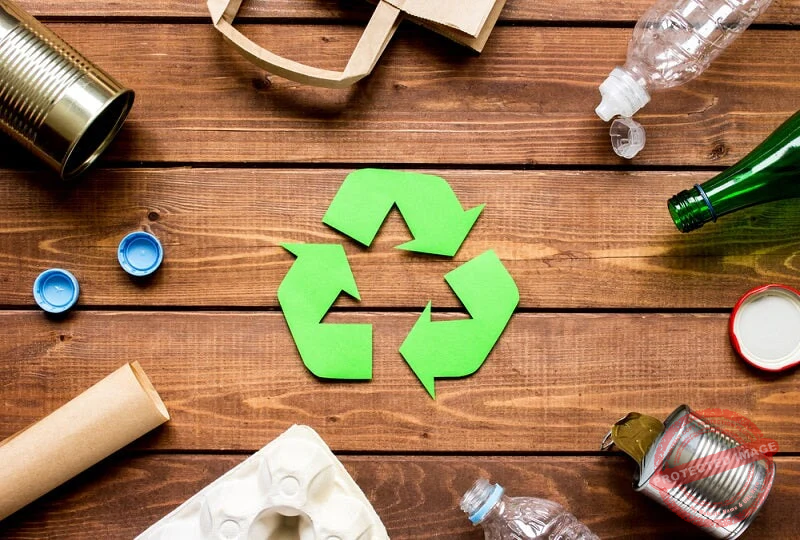
The rules also introduce stricter limitations on landfill usage. Only non-recyclable and inert waste will be permitted in landfills, while higher charges will be imposed on unsegregated waste disposal. Additionally, provisions have been made for scientific remediation of legacy waste dumpsites through biomining and bioremediation, addressing long-standing environmental concerns in several cities.
Another key provision mandates the gradual use of refuse-derived fuel (RDF) by industries, particularly in sectors such as cement production. This is aimed at promoting resource recovery and reducing dependence on conventional fuels, aligning with broader sustainability goals.
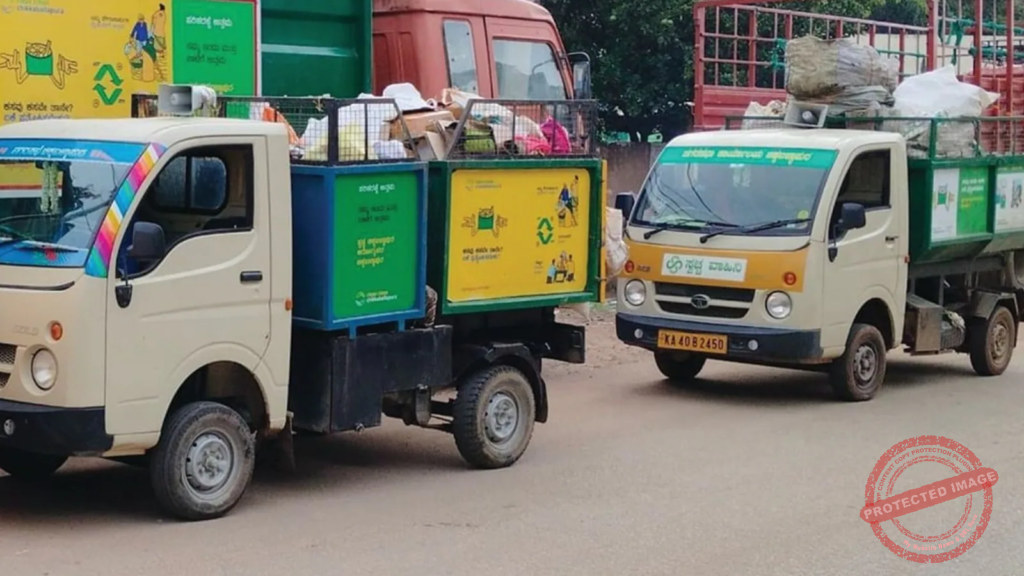
Urban local bodies, including those in Maharashtra, are expected to enforce the new norms through stricter monitoring and penalties. Cities like Pune will need to upgrade waste collection systems, increase public awareness, and ensure compliance at the household level.
The implementation of the SWM Rules, 2026 is being viewed as a crucial step towards achieving cleaner cities and advancing the goals of a circular economy. However, experts note that the success of the new framework will depend heavily on public participation, infrastructure readiness, and effective enforcement at the local level.
Follow us On Our Social media Handles :
Instagram
Youtube
Facebook
Twitter
Also Read- Pune