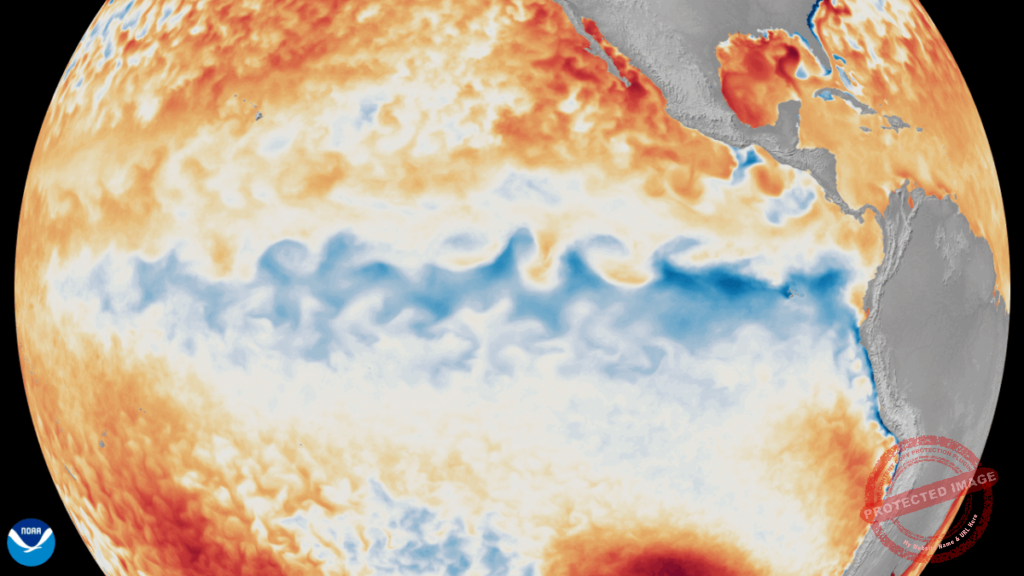
Climate experts are warning that a developing El Niño
El Nino
This event could intensify heatwaves, floods, droughts, and wildfires across the globe, potentially affecting food security, economies, and millions of lives.
New Delhi | June 13, 2026
Scientists around the world are closely monitoring the emergence of a potentially powerful El Niño climate pattern, warning that it could bring widespread weather disruptions and significant economic consequences over the coming months.
El Niño is a naturally occurring climate phenomenon characterized by unusually warm ocean temperatures in the central and eastern Pacific Ocean. While it occurs every few years, experts say the current event has the potential to become one of the strongest in recent decades, amplifying the effects of human-induced climate change and driving extreme weather events across multiple continents.
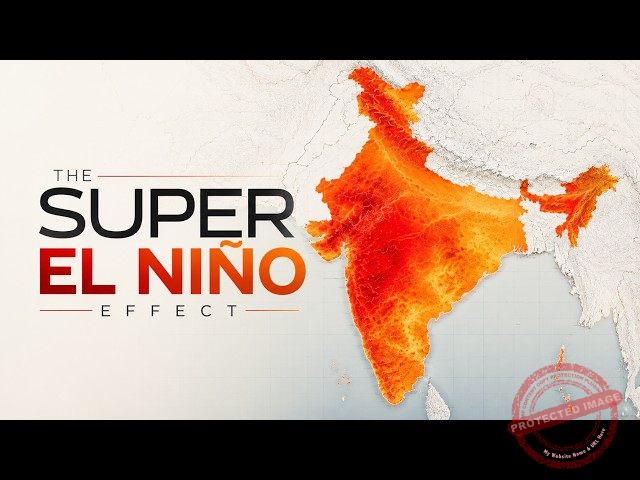
According to meteorological agencies, the developing El Niño is expected to influence rainfall and temperature patterns worldwide. Regions such as South Asia, including India, could experience hotter-than-normal temperatures and disruptions to monsoon rainfall, raising concerns for agriculture, water availability, and rural livelihoods.
Experts warn that while some parts of the world may receive excessive rainfall and flooding, others could face prolonged drought conditions, increasing the risk of crop failures, water shortages, and wildfires. Countries heavily dependent on agriculture are likely to be among the most vulnerable, with food production and supply chains facing potential disruptions.
The World Meteorological Organization has indicated a high probability of El Niño conditions developing during 2026, with global temperatures expected to rise further as a result. Scientists caution that the phenomenon, combined with long-term global warming, could contribute to new temperature records and increase the frequency of extreme weather events.
Beyond environmental impacts, economists are also concerned about the financial costs associated with severe weather disasters, infrastructure damage, and agricultural losses. Researchers emphasize that governments and communities should use advanced forecasting systems and preparedness measures to reduce risks and strengthen climate resilience.
As climate uncertainties continue to grow, experts stress that early planning and adaptation strategies will be critical in minimizing the impact of what could become one of the most closely watched El Niño events in recent years.
Follow us On Our Social media Handles :
Instagram
Youtube
Facebook
Twitter
Also Read- Pune