New Blood Test Shows Promise in Predicting Lung Cancer Risk Years Before Diagnosis
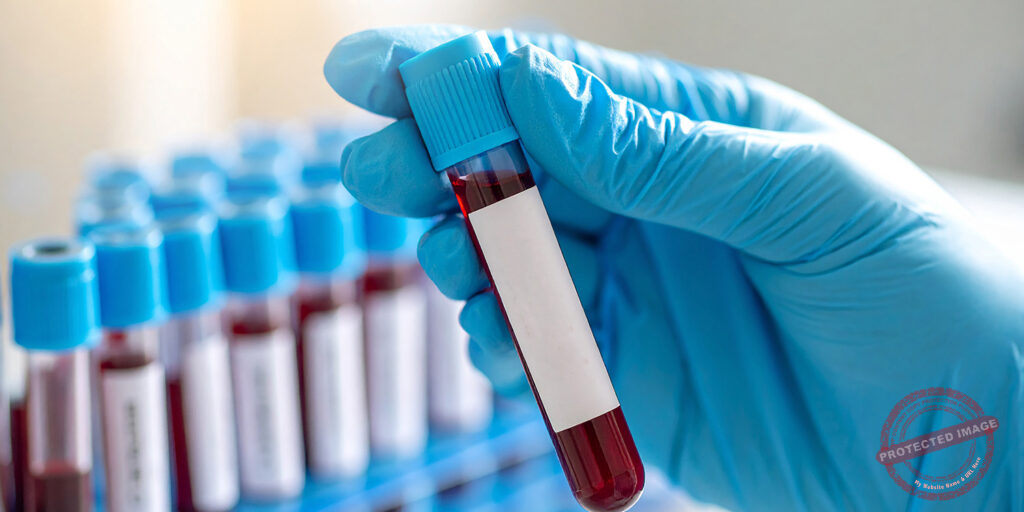
Blood Test
Researchers have developed a groundbreaking blood test that could identify people at risk of developing lung cancer more than five years before the disease is diagnosed, offering new hope for earlier detection and prevention.
London | June 13, 2026
A team of international researchers has identified a unique set of blood proteins that may help predict an individual’s likelihood of developing lung cancer several years before clinical symptoms appear. The discovery, described as a significant advancement in cancer research, could transform how high-risk individuals are monitored and treated in the future.
The study analyzed blood samples from more than 48,000 participants and used advanced artificial intelligence tools to identify a signature of 14 proteins linked to future lung cancer development. According to researchers, these proteins may serve as biological indicators that reveal changes occurring in the body long before cancer becomes detectable through conventional methods.
Scientists believe chronic inflammation caused by factors such as smoking, air pollution, and other environmental exposures may play a critical role in triggering these protein changes. By identifying these warning signs early, healthcare professionals may be able to intervene before cancer progresses to a more advanced stage.
The research also highlighted the potential of an anti-inflammatory medication called canakinumab. Investigators found that individuals with elevated levels of the identified proteins experienced a substantially lower risk of developing lung cancer when treated with the drug. While experts caution that further clinical trials are required, the findings suggest that targeted preventive therapies could become a reality in the coming years.
Lung cancer remains one of the leading causes of cancer-related deaths worldwide, largely because it is often diagnosed at an advanced stage. Experts say that the ability to detect risk years in advance could improve survival rates and enable more personalized prevention strategies.
The findings represent a promising step toward a future where blood-based screening tools help identify vulnerable individuals earlier, potentially reducing the global burden of lung cancer and improving long-term patient outcomes.
Follow us On Our Social media Handles :
Instagram
Youtube
Facebook
Twitter
Also Read- Pune