Artemis II Mission : Moon’s Hidden Layers May Reveal Earth’s Ancient Past
A new phase of lunar exploration aims to uncover clues about Earth’s early history by studying the Moon’s surface and subsurface through the upcoming Artemis II mission.
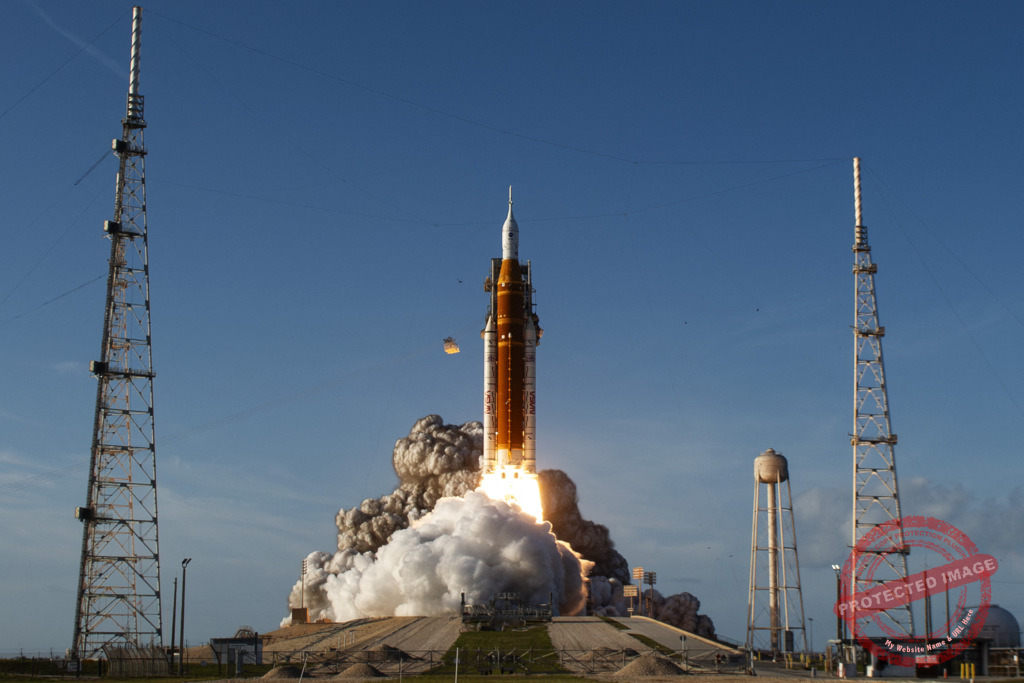
April 7, 2026 | Pune, India As global attention turns skyward, NASA’s ambitious Artemis II mission is poised to deepen humanity’s understanding of both the Moon and Earth’s distant past. Scientists believe that the Moon, often described as a time capsule, preserves geological evidence that has long been erased from Earth due to tectonic activity, erosion, and climate changes.
Unlike Earth, the Moon has remained relatively unchanged for billions of years. This makes it an invaluable archive of the early solar system. Researchers involved in Artemis II are particularly interested in studying lunar soil, rock formations, and impact craters, which may contain traces of ancient cosmic events that also influenced Earth’s formation. The mission, which will carry astronauts around the Moon, is not just a technological milestone but also a scientific endeavor aimed at bridging gaps in planetary history. By analyzing data collected during the mission, scientists hope to reconstruct events such as asteroid impacts and volcanic activity that shaped both celestial bodies.Experts suggest that insights.
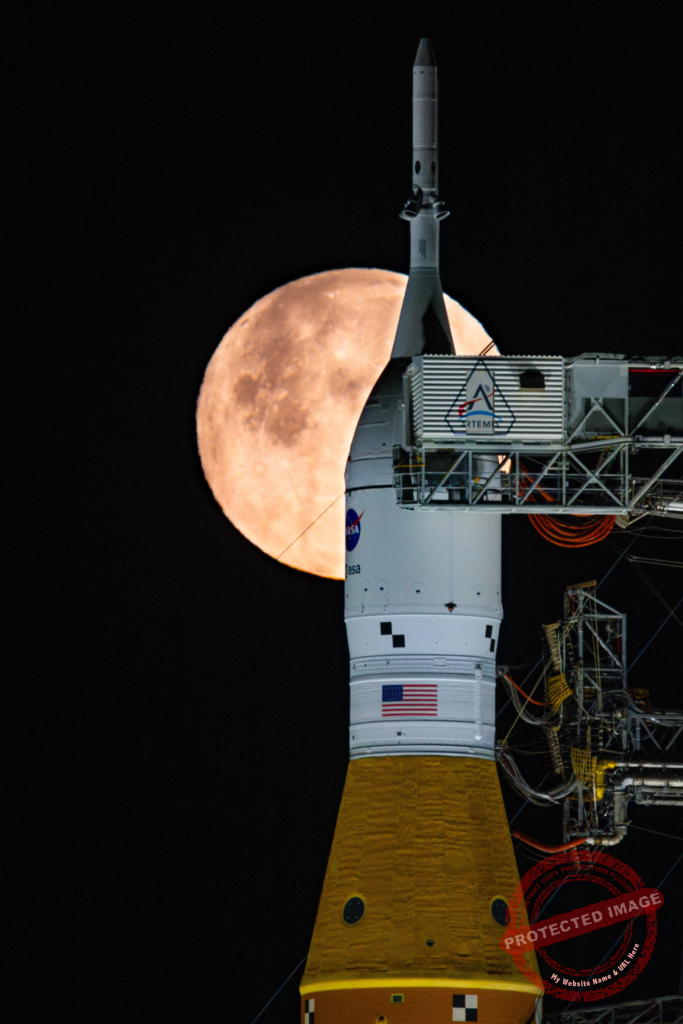
Artemis II could also enhance understanding of how life-supporting conditions evolved on Earth. The mission is part of a broader effort to establish sustainable human presence on the Moon, paving the way for future deep-space exploration
With multiple countries and private players closely monitoring its progress, Artemis II represents a new chapter in space exploration one that could redefine humanity’s knowledge of its own origins.
Follow us On Our Social media Handles :
Instagram
Youtube
Facebook
Twitter
Also Read- Pune