Bangladesh’s Strategic Shift: Yunus Government Plans to Lease Chittagong Ports to China Amid Election Preparations
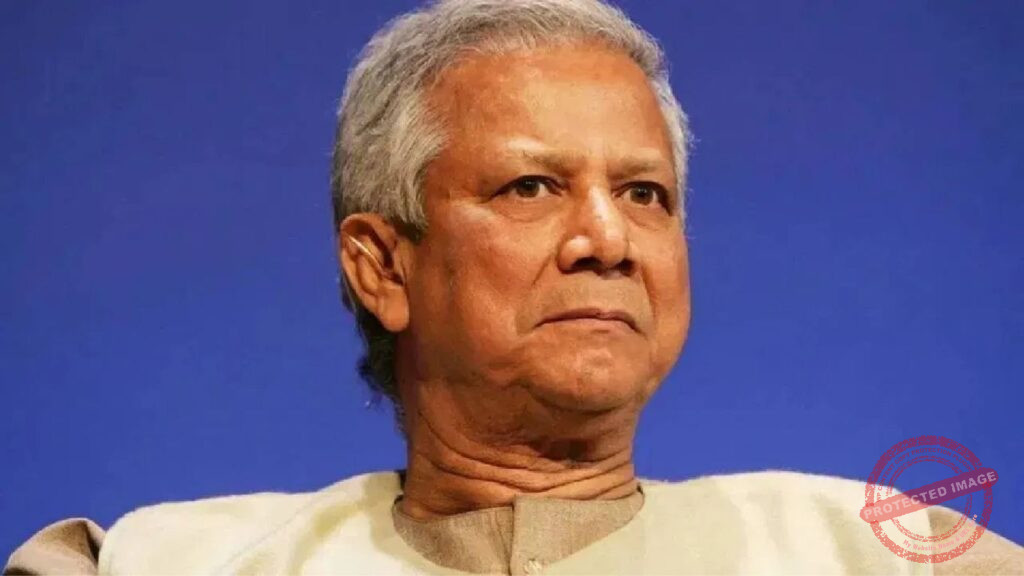
Ahead of Bangladesh’s upcoming elections, the interim government led by Muhammad Yunus is preparing to lease key terminals at Chittagong Port to foreign companies, with China emerging as a likely partner. This move has raised concerns in India regarding regional security and strategic interests.
Dhaka | October 13, 2025 — Bangladesh’s interim government, led by Muhammad Yunus, is preparing to lease three major terminals at Chittagong Port to foreign companies before the upcoming national elections. This development has raised concerns in India, as Chittagong Port handles approximately 92% of Bangladesh’s international trade, making it a critical asset in the region.
The proposed leases aim to enhance Bangladesh’s infrastructure and strengthen economic ties with foreign partners. However, the involvement of Chinese companies in port operations has alarmed India, which views China’s growing presence in the Indian Ocean region as a strategic challenge. China’s Belt and Road Initiative has already resulted in significant investments in Bangladesh, including a $350 million industrial zone near Chittagong.
Political parties in Bangladesh, including the Bangladesh Nationalist Party (BNP) and Jamaat-e-Islami, have criticized the decision, arguing that strategic assets like Chittagong Port should remain under national control to protect sovereignty and economic interests. Supporters of the lease, however, contend that foreign investment can improve port efficiency and operations while generating revenue to bolster the national economy, which has faced recent challenges.
India has voiced concerns over China’s increasing influence in Bangladesh, particularly in strategic infrastructure. Leasing Chittagong port terminals to Chinese firms could shift regional power dynamics and affect India’s strategic interests in the Bay of Bengal.
As Bangladesh approaches its elections, the move to lease key port terminals to foreign companies, particularly Chinese firms, is a matter of significant debate. While the initiative seeks to modernize infrastructure and attract investment, it also raises critical questions about national sovereignty, regional security, and the trajectory of Bangladesh’s foreign policy.
Follow us On Our Social media Handles :
Instagram
Youtube
Facebook
Twitter
Also Read- Pune