BJP Faces Internal Rift Over Fund Allocation in Mumbai Civic Body, Discontent Grows Among Party Leaders
BJP
Internal conflict erupts in Mumbai civic body as BJP leaders raise concerns over uneven fund allocation, favoritism, and political strategy.
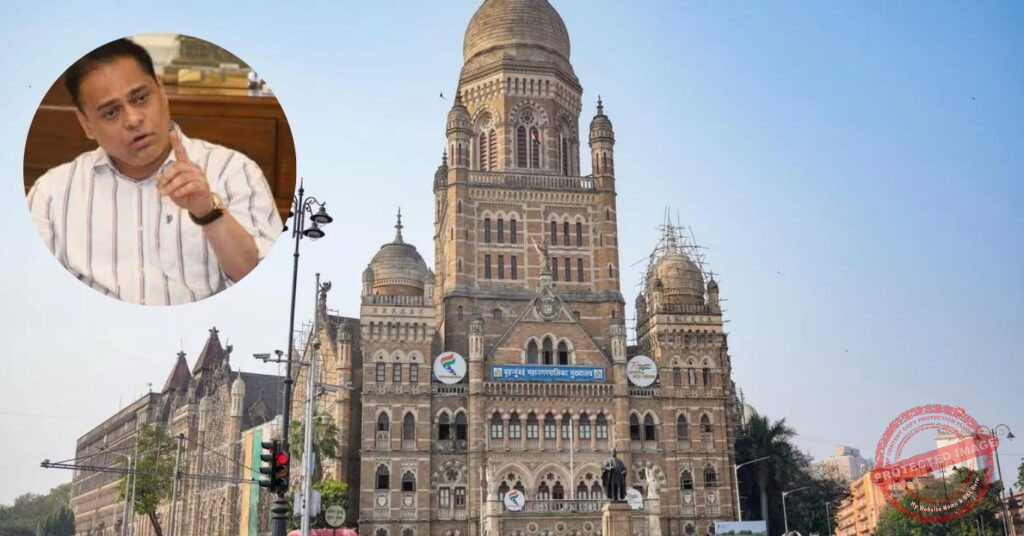
Mumbai, April 20, 2026: A fresh political storm is brewing inside the Brihanmumbai Municipal Corporation (BMC), as internal disagreements within the Bharatiya Janata Party (BJP) over fund allocation have begun surfacing publicly. After ending the long-standing dominance of Shiv Sena in the civic body, the BJP now finds itself dealing with unrest within its own ranks.
Soon after assuming control, BJP corporators had expected equitable distribution of development funds across all wards. However, recent allocations have triggered dissatisfaction, with several party members alleging favoritism and unequal treatment. What initially appeared as internal murmurs has now escalated into visible friction, raising concerns about a possible factional divide within the party.
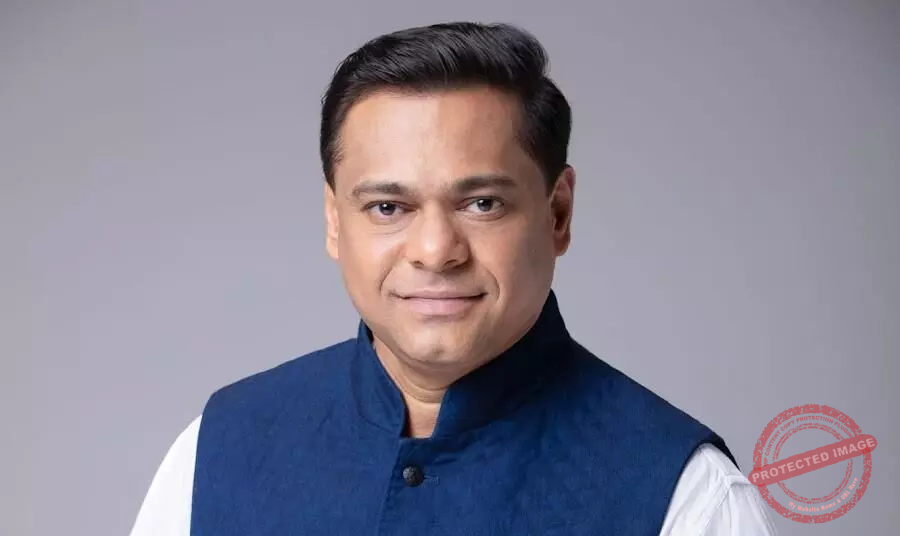
At the center of the controversy is Mumbai BJP president Amit Satam. According to sources, corporators from his constituency have reportedly received disproportionately higher funds. Allegations suggest that his relative, Rohan Rathod, was sanctioned nearly ₹9 crore, while other corporators aligned with his constituency received around ₹6 crore each. This perceived imbalance has angered senior BJP corporators, who argue that such selective allocation undermines both governance and party unity.
The discontent has been further fueled by the distribution of the ₹800 crore development fund. Opposition corporators, particularly from the Shiv Sena (Thackeray faction), were reportedly allocated a minimal ₹25 lakh each. In contrast, corporators from the All India Majlis-e-Ittehadul Muslimeen (AIMIM) received between ₹2 crore and ₹3 crore per member. This stark disparity has sparked debate across political circles, with many questioning the criteria behind such decisions.
Political observers believe that the allocation pattern may not be purely administrative but influenced by strategic calculations. Granting higher funds to certain groups while restricting others could be part of a broader political approach aimed at consolidating support and weakening opponents. However, this strategy appears to have backfired internally, with BJP leaders themselves raising concerns about fairness and transparency.
Senior corporators within the BJP have warned that unequal fund distribution could stall development work in neglected wards. They fear that this may not only affect governance but also impact the party’s prospects in upcoming elections. Several leaders have informally communicated their dissatisfaction, demanding a more balanced and transparent approach.
The issue has also brought attention to the larger question of governance within civic bodies. Ideally, development funds are expected to be allocated based on public needs, infrastructure gaps, and urgency of projects. However, the current controversy suggests that political alignment and internal equations may be playing a significant role.
As the situation unfolds, all eyes are now on Amit Satam and the BJP leadership. Whether the party addresses the concerns of its corporators or allows the issue to escalate further could have significant political implications. The coming days are likely to determine whether this remains an internal disagreement or evolves into a full-blown political crisis.
The fund allocation row in Mumbai’s civic body highlights the challenges of internal cohesion within political parties after gaining power. With growing discontent among BJP leaders, the party now faces the task of balancing governance, strategy, and unity to avoid long-term damage.
Follow us On Our Social media Handles :
Instagram
Youtube
Facebook
Twitter
Also Read- Pune