BJP in Election Mode as Ujani Water Dispute with Karnataka Remains Unresolved
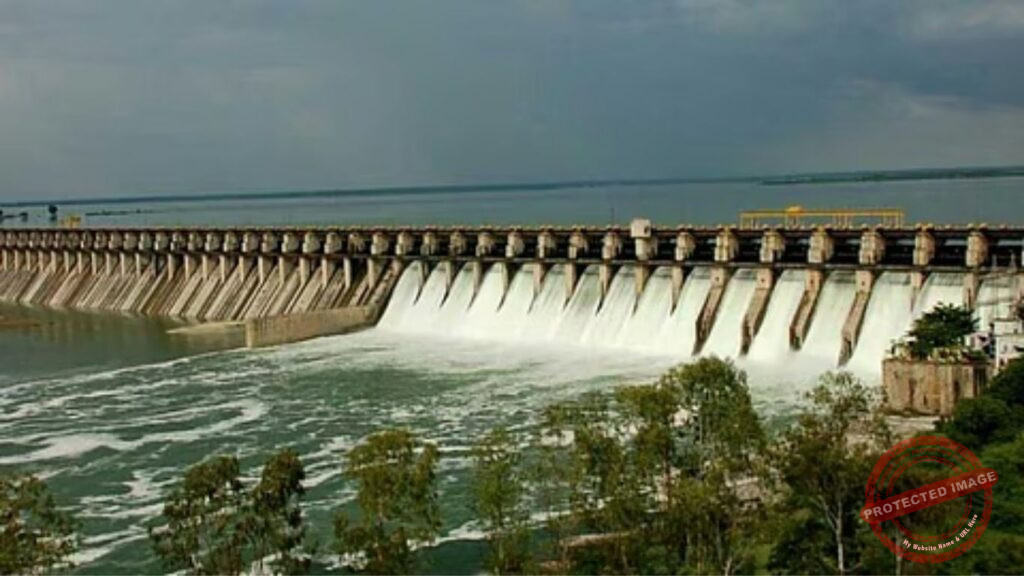
Ujani
Amid mounting frustration among farmers in Solapur over the Ujani dam water dispute with Karnataka, the BJP is accused of focusing on election strategy rather than finding a solution farmers warn of protests as water scarcity persists
Solapur| February 21, 2026: The Ujani water dispute between Maharashtra and Karnataka continues to simmer without a concrete resolution, leaving farmers in South Solapur Taluka increasingly agitated as the 2026 elections approach. Over the past week, water intended for irrigation and drinking purposes from the Ujani dam has been held up at the Umarani barrage in Karnataka, exacerbating already tense conditions for agricultural communities that depend on predictable water flows for crop irrigation and daily needs.
Local farmers and residents have expressed mounting dissatisfaction, accusing the state and national leadership including the Bharatiya Janata Party (BJP) of being more preoccupied with electoral positioning than addressing critical water issues affecting livelihoods. The delay in water release has intensified agricultural distress at a time when crops require regular irrigation, heightening fears of losses and crop failure if the situation persists.
The Ujani dam, a major water source for parts of Solapur district, has long been a focal point of inter‑state water management challenges with Karnataka. Similar disputes over shared water resources have occurred elsewhere in India, often requiring sustained negotiation or tribunal intervention to secure agreed allocations. Such disputes impact not only farming productivity but also drinking water supply and rural economic stability.
Political analysts note that unresolved water disputes tend to gain prominence in election seasons, as public frustration grows and opposition parties seek to capitalise on governance lapses. In Solapur’s case, farmers and rural groups have warned of upcoming protests and possible agitation if a timely and transparent resolution including consistent water release schedules is not achieved.
Calls for intervention by the central and state governments have intensified, with community leaders urging constructive dialogue with Karnataka authorities to break the impasse. Observers emphasise that effective water sharing agreements are crucial for regional agrarian stability and could influence voter sentiment in rural constituencies ahead of elections.
The unresolved Ujani water dispute underscores the broader challenge of inter‑state water management in India, where agricultural dependence on river systems often collides with political and administrative complexities. As election season advances, the issue is likely to remain in the spotlight, with both farmers and political leaders closely watching developments.
Do‑follow Links
Instagram: https://www.instagram.com/newsdotz/
YouTube: https://www.youtube.com/@NewsDotz
Facebook: https://www.facebook.com/profile.php?id=61573903448264
Twitter: https://x.com/NewsDotz