Cashless Toll Plazas Nationwide; Annual FASTag Pass Cost Increased by 2.5%
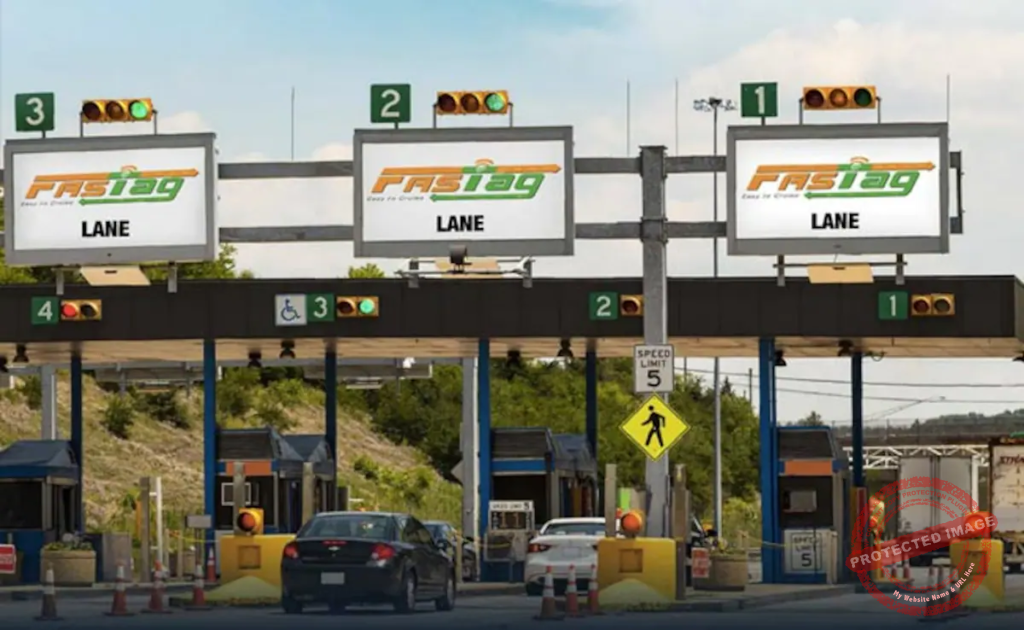
Cashless Toll Plazas Nationwide
India has moved to fully cashless toll collection from April 1, with payments restricted to digital modes like FASTag and UPI, alongside a 2.5% hike in annual pass charges and multiple financial rule changes.
New Delhi | April 2, 2026: In a sweeping set of reforms affecting commuters and taxpayers alike, the Government of India has implemented a fully cashless toll collection system across all national highway toll plazas from April 1, 2026. Motorists can now pay toll charges only through digital methods such as FASTag and UPI, eliminating all cash transactions at toll booths.
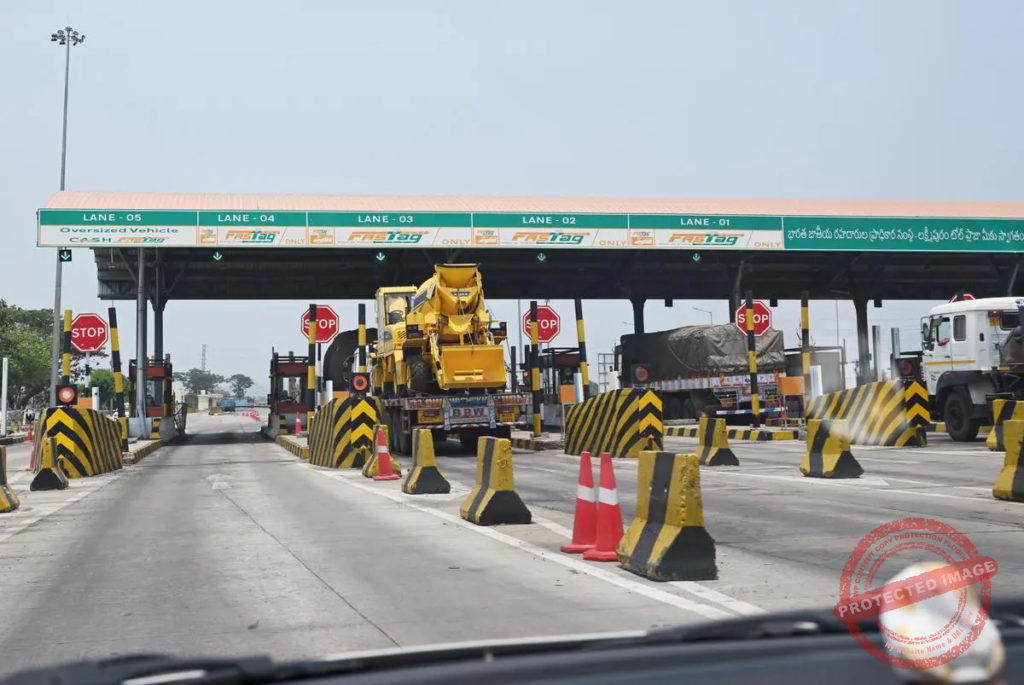
The transition aims to streamline traffic flow, reduce congestion at toll plazas, and improve transparency in toll collection. Authorities believe that the move will significantly cut waiting times and enhance efficiency on highways, especially during peak travel hours.
Alongside the shift to digital payments, the cost of annual FASTag passes has been increased by 2.5%. This means users renewing their passes will see a slightly higher deduction from their linked wallets. The revision is part of periodic adjustments linked to operational and maintenance costs.

The changes come as part of a broader set of financial and regulatory updates that have come into effect at the start of the new financial year. Among the key changes is a revision in railway ticket cancellation rules. Passengers must now cancel tickets at least eight hours before departure to be eligible for a refund, compared to the earlier four-hour window. Additionally, passengers can modify their boarding station up to 30 minutes before the train’s departure.
In the automobile sector, prices of both commercial and passenger vehicles have increased by 2% to 3%, impacting overall purchase costs. Registration charges will also be calculated based on the revised, higher vehicle prices, further raising the total cost of ownership.
A major tax reform has also been introduced with the implementation of the new Income Tax framework. The concept of separate “financial year” and “assessment year” has been replaced with a single term—“tax year”—to simplify compliance and reduce confusion among taxpayers.
Under the revised tax regime announced earlier, salaried individuals can avail tax exemption on income up to ₹12.75 lakh under Section 87A, while other taxpayers can benefit from rebates on income up to ₹12 lakh. These changes are expected to provide relief to middle-income groups while encouraging adoption of the new tax system.
Documentation requirements for tax deductions have also been updated. The traditional Form 16 and Form 16A used for TDS certificates have now been replaced with new formats-Form 130 and Form 131-streamlining reporting structures.
For salaried employees claiming House Rent Allowance (HRA), stricter documentation norms have been introduced. Individuals must now submit rent receipts, and if annual rent exceeds ₹1 lakh, it will be mandatory to provide the landlord’s PAN details to claim tax benefits.
Labour-related reforms have also been implemented. Under the new rules, companies must complete full and final settlement of dues within two working days of an employee’s last working day, significantly reducing the earlier timeline of up to 90 days. Failure to comply may allow employees to seek compensation with interest through labour authorities.
Additionally, changes under the new labour codes mandate that basic salary must constitute at least 50% of an employee’s total cost-to-company (CTC). While this may reduce take-home salary due to higher contributions to provident fund and gratuity, it is expected to strengthen long-term retirement savings.
In another update, new rules for PAN card applications have been introduced. Aadhaar will no longer be accepted as proof of date of birth. Applicants will now need to submit additional documents such as a birth certificate or Class 10 mark sheet for verification, though Aadhaar will continue to serve as proof of address.
These wide-ranging changes mark a significant shift in India’s financial, taxation, and transport systems, with a clear push towards digitisation, compliance, and long-term economic structuring.
Follow us On Our Social media Handles :
Instagram
Youtube
Facebook
Twitter
Also Read- Pune