CNG and PNG Prices Set to Fall from January 1 as Gas Tariff System Is Revamped
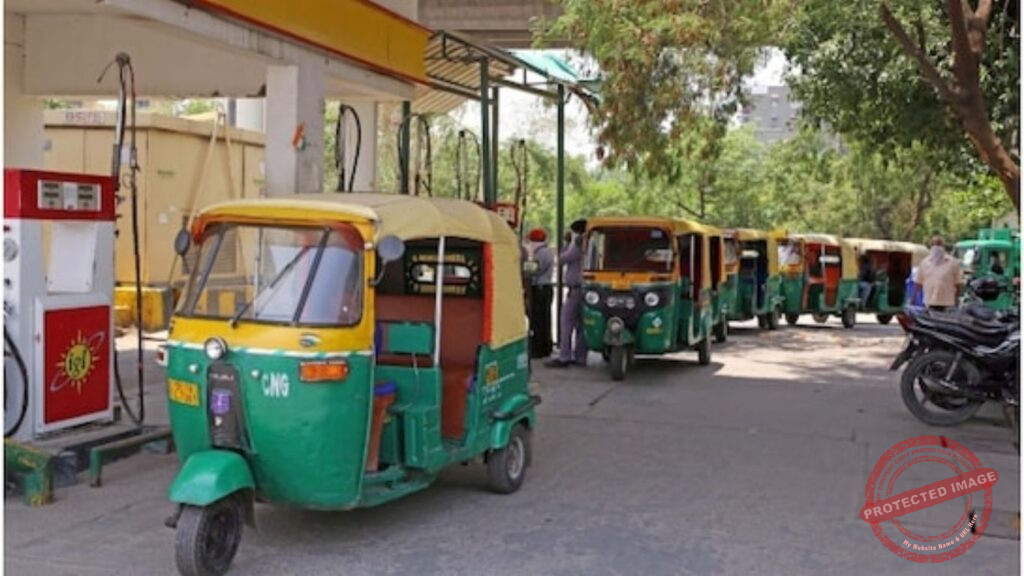
CNG
From January 1, CNG and domestic PNG users will see lower prices thanks to a unified gas tariff reform that simplifies pricing and cuts costs by ₹2-3 per unit for consumers nationwide.
Pune | 18 December 2025: CNG and PNG prices are set to reduce from January 1 after a major overhaul of the gas tariff system, bringing relief to households and vehicle owners across India.
Users of Compressed Natural Gas (CNG) and domestic Piped Natural Gas (PNG) are likely to see noticeable relief in fuel costs starting January 1, following a significant reform in the gas pipeline tariff framework. The revised system aims to simplify gas transportation charges and ensure more uniform pricing across regions, a move expected to directly benefit end consumers including households and daily commuters.
Under the revamped structure, the existing distance-based tariff model has been streamlined. Earlier, gas transportation charges were calculated based on multiple distance slabs, which often resulted in higher costs for consumers located farther from gas sources. The new model reduces these slabs and introduces a more balanced tariff mechanism, ensuring that CNG and PNG users are charged at a lower and more consistent rate regardless of location. This change is expected to translate into a reduction of around ₹2 to ₹3 per unit in consumer pricing, subject to local taxes and levies.
The decision is expected to have a wide impact, as city gas distribution networks now cover hundreds of districts and serve millions of households and vehicles. For urban families using PNG for cooking, the reduction may appear modest per unit but can lead to meaningful monthly savings. Similarly, CNG vehicle owners, including taxi operators and daily office commuters, stand to benefit from lower running costs, which could also help stabilize public transport fares in some cities.
Policy experts believe the revised tariff system will also encourage the adoption of cleaner fuels. By making natural gas more affordable and predictable in pricing, the reform supports the broader shift away from petrol, diesel, and LPG toward less polluting energy options. Uniform tariffs are also expected to reduce regional disparities and make gas-based infrastructure expansion more viable in smaller cities and semi-urban areas.
From an industry perspective, the simplified tariff structure is projected to reduce overall transportation costs for city gas distributors, improving operational efficiency. This could accelerate investments in pipeline expansion, new household connections, and wider availability of CNG stations. Analysts note that long-term gains may include increased demand for CNG vehicles and faster conversion of households to PNG connections.
However, the actual benefit to consumers will depend on how promptly gas distribution companies pass on the reduced costs. Regulatory authorities are expected to closely monitor implementation to ensure that the intended price relief reaches end users without delay. Any lag in passing on benefits could draw regulatory scrutiny.
The pricing reform comes at a time when energy affordability remains a key concern for households and transport-dependent businesses. With fuel expenses forming a significant part of monthly budgets, especially in urban areas, the upcoming reduction in CNG and PNG prices is being seen as a timely measure offering both economic and environmental advantages.
In conclusion, the reduction in CNG and PNG prices from January 1 marks a meaningful policy shift toward fairer, simpler, and more consumer-friendly energy pricing. While the immediate savings per unit may be limited, the cumulative impact across millions of users could be substantial, reinforcing natural gas as an affordable and cleaner fuel choice for India’s growing energy needs.
Follow us On Our Social media Handles :
Instagram
Youtube
Facebook
Twitter
Also Read- Pune