Excavation at Panchavati’s Gangaghat Uncovers Natural Water Sources, Activists Call for Flow Restoration
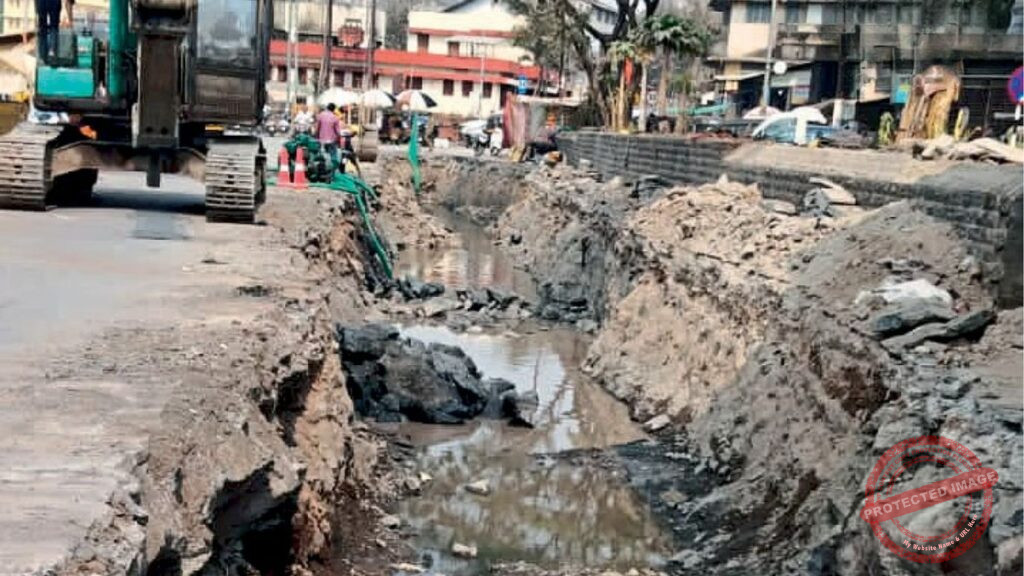
Gangaghat
Excavation near Nashik’s Gangaghat has unexpectedly revealed natural springs beneath the soil that could help sustain the Godavari River’s flow if conserved and properly channelled back into the river, say environmental advocates
Nashik|February 21, 2026: In a noteworthy environmental discovery in Panchavati, excavation work near the Gangaghat area has uncovered natural springs and water sources emerging from beneath the ground, prompting local environmentalists and river conservationists to urge authorities to rethink current excavation practices and focus on restoring perennial flow to the Godavari River.
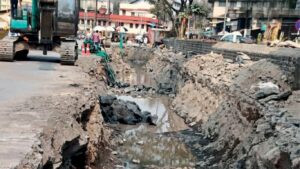
The excavation part of ongoing work in the vicinity of the historic ghats has struck groundwater while breaking rock layers, resulting in pools of water filling sections of the excavation site. Because this water is naturally seeping from underground sources, experts say it could play a crucial role in sustaining dry‑season flow in the Godavari if channelled properly instead of being pumped away.
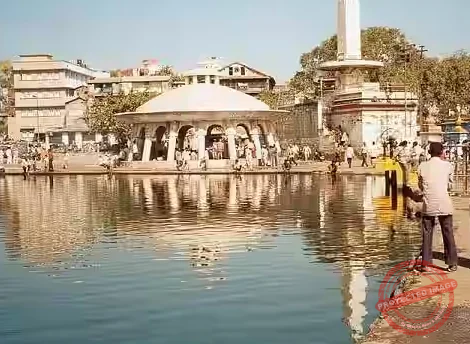
Environmental activists, including local river‑sustainability advocates, have argued that these newfound water sources represent an untapped ecological asset. They are urging that the water be diverted directly into the river’s main channel to help maintain water availability year‑round. One conservationist commented that such natural springs are rare and vital for rivers like the Godavari, which face reduced flow and ecological stress outside the monsoon season.
Currently, diesel pumps are being used to remove water from the excavation pit, which is then discharged elsewhere, according to on‑site observations. However, activists say this practice overlooks the long‑term environmental value of the water. They maintain that if a proper hydraulic connection to the river is established, this groundwater could contribute to consistent river flow, especially during dry months when surface water levels typically decline.
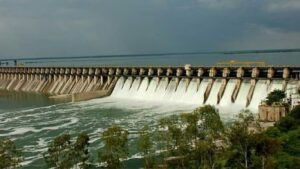
This call for ecological restoration comes amid broader discussions in Nashik about water management challenges, including water supply issues in urban Panchavati areas and ongoing concerns over the health of the Godavari River basin. While Nashik receives seasonal water from nearby reservoirs and dams such as Gangapur and Darna, these sources fluctuate with rainfall and do not always guarantee year‑round flow.
Environmentalists have also pointed to court directives and civic activism aimed at reviving the Godavari and reducing pollution and degradation along its banks. Past legal actions by environmental petitioners have highlighted the need for regulatory and administrative intervention to protect the river’s ecological balance.
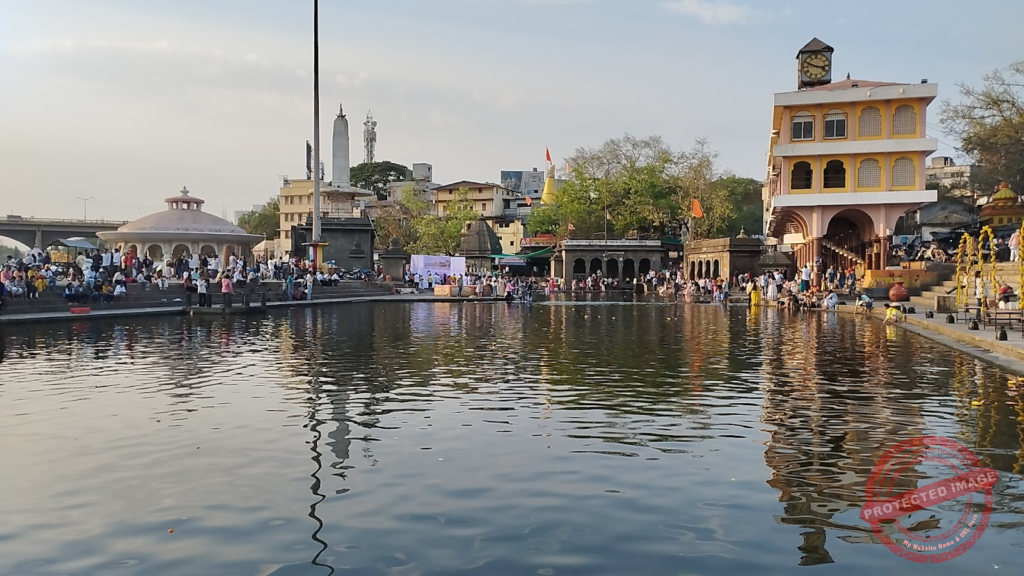
Locals, including heritage groups and civic society members, say that Panchavati a region considered sacred and historically linked to the Godavari’s origin stands to benefit significantly from sustained water flow. They are hopeful that this discovery will encourage policymakers and municipal bodies to adopt a more environmentally informed approach to excavation and river channel management.
As Nashik continues to expand and develop its riverfront and ghats, this development could influence future decision‑making on urban planning, water conservation and ecological restoration projects around the Godavari basin.
Do‑follow Links
Instagram: https://www.instagram.com/newsdotz/
YouTube: https://www.youtube.com/@NewsDotz
Facebook: https://www.facebook.com/profile.php?id=61573903448264
Twitter: https://x.com/NewsDotz