FSSAI Makes License Mandatory for Milk Production and Sale to Curb Adulteration
FSSAI
Food safety regulator moves to tighten dairy oversight and warns of enforcement action against unregistered vendors.
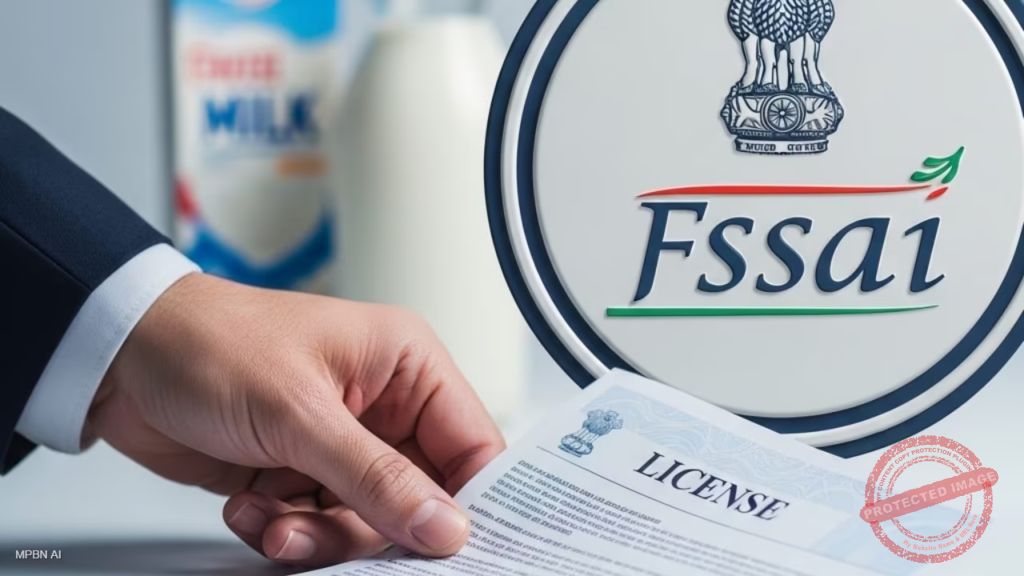
Mumbai | 13 March, 2026: The Food Safety and Standards Authority of India (FSSAI) has issued a new directive mandating that all individuals and businesses involved in milk production and sale obtain a valid license or registration before operating, aiming to strengthen food safety and reduce adulteration in milk and dairy products across India.
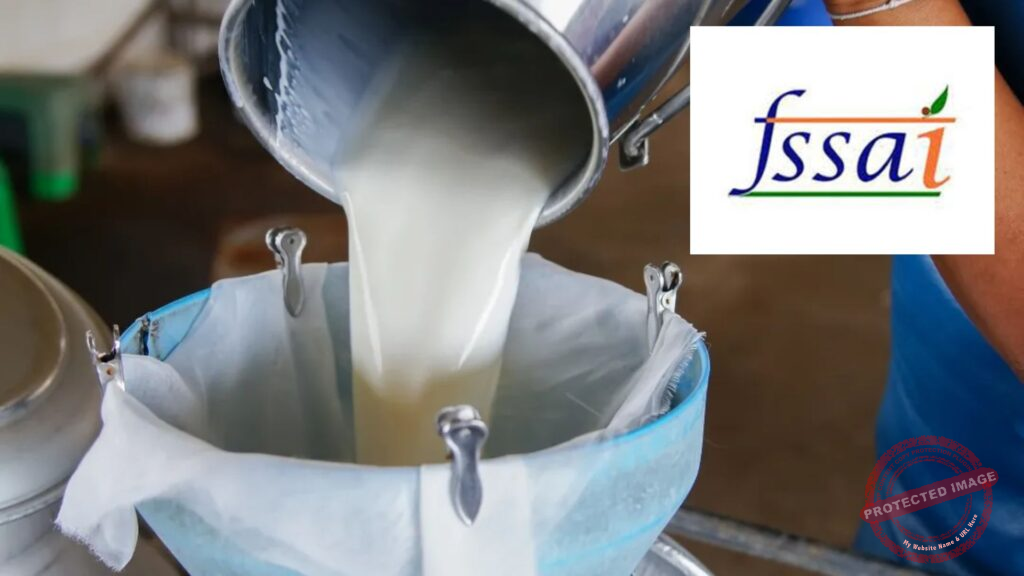
The move comes amid growing concerns over milk adulteration and consumer health risks. Under the fresh guideline, no person or organisation can legally produce or sell milk without proper registration or a licence issued by FSSAI. The directive is designed to ensure that all dairy operations comply with food safety standards and are subject to regular inspections and oversight by food safety officers.
FSSAI has specifically instructed food commissioners in all states and Union Territories to enforce the new licensing requirements rigorously. Food safety officers have been asked to verify whether milk producers, processors, and vendors hold valid licences, and states have been advised to conduct special registration drives to boost compliance.
In addition to licensing, the authority has emphasised the need for regular inspection of milk chilling and storage facilities. These checks aim to ensure that milk is stored at proper temperatures and that equipment remains in good working condition, which is critical for protecting public health and maintaining the quality of dairy products.
While the new rules apply broadly to milk producers and sellers, members of registered dairy cooperative societies are exempt from individual licensing requirements. Farmers and livestock owners who supply directly to these cooperatives will not need separate licences, provided the cooperatives themselves are registered under FSSAI.
The latest directive builds on earlier food safety orders issued in December of the previous year, when state food commissioners were asked to enforce stricter safety measures for milk and dairy products to prevent adulteration. Local authorities had already been urged to keep a close watch on milk quality, following consumer complaints about contamination and unsafe dairy supplies.
Consumer health advocates have welcomed the move, saying that mandatory licensing will help create accountability in the dairy supply chain and protect citizens from harmful products. Adulterated milk not only undermines trust in local dairy markets but also poses serious health risks, particularly for children, the elderly, and people with compromised immune systems.
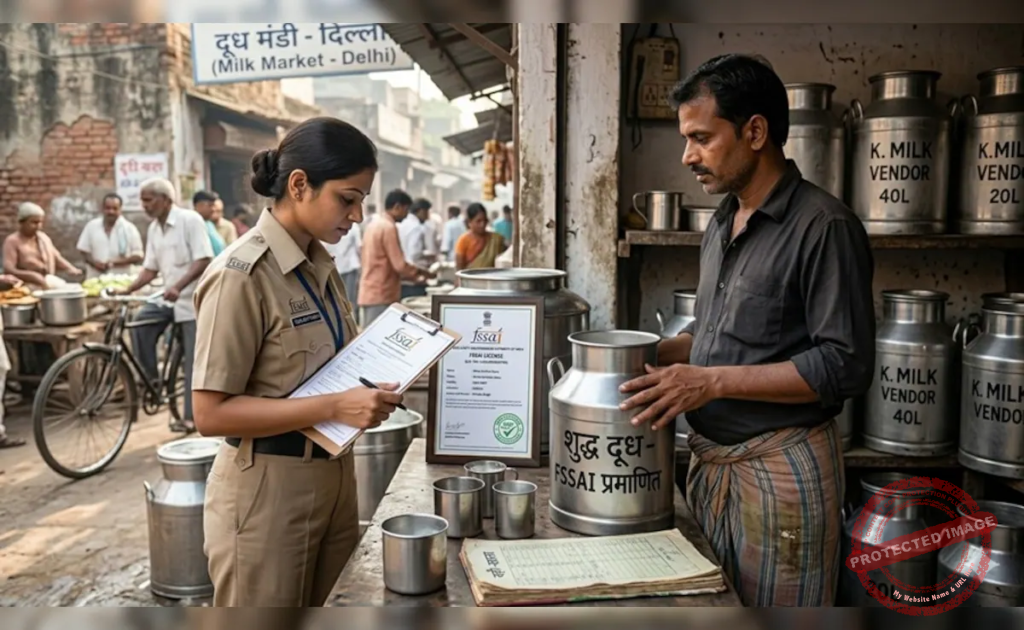
Officials have warned that strict action will be taken against operators found violating the new licensing rules. Penalties may include fines, suspension of business operations, or legal action under relevant food safety laws. Authorities are also expected to monitor compliance through periodic checks and surprise inspections to deter unregistered activity.
Industry stakeholders and independent milk vendors are now preparing to secure licences to align with the new regulatory environment. Experts say that obtaining a licence not only ensures legal compliance but also enhances consumer confidence and supports quality assurance in dairy operations.
As FSSAI moves to clamp down on unregistered milk vendors and strengthen the oversight of dairy producers, the dairy supply chain is likely to see increased regulation and improved safety practices. This step underscores the government’s commitment to safeguarding public health and ensuring food products meet stringent quality standards before reaching consumers’ homes
Follow us On Our Social media Handles :
Instagram
Youtube
Facebook
Twitter
Also Read- Pune