India’s Exports Slow in Early 2026 Amid Global Uncertainty, Trade Deficit Widens
India’s Exports Slow in Early 2026
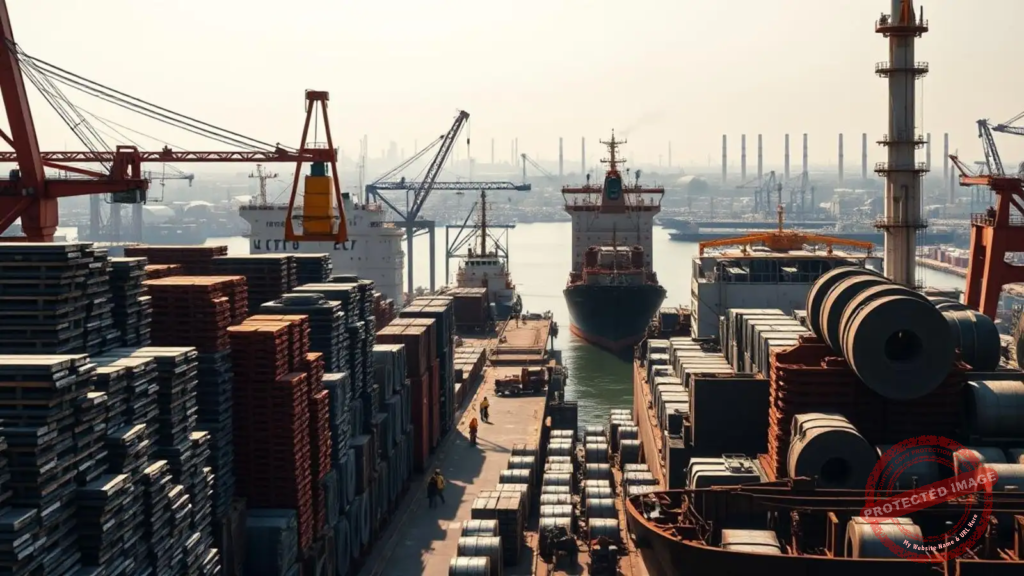
India’s merchandise exports dipped slightly in the first two months of 2026 as global economic uncertainty, rising oil prices, and geopolitical tensions weighed on trade and remittance flows.
Mumbai | 10 April, 2026: India’s export growth has shown signs of slowing in the opening months of 2026, reflecting the impact of global economic uncertainty, rising crude oil prices, and ongoing geopolitical tensions in key regions.
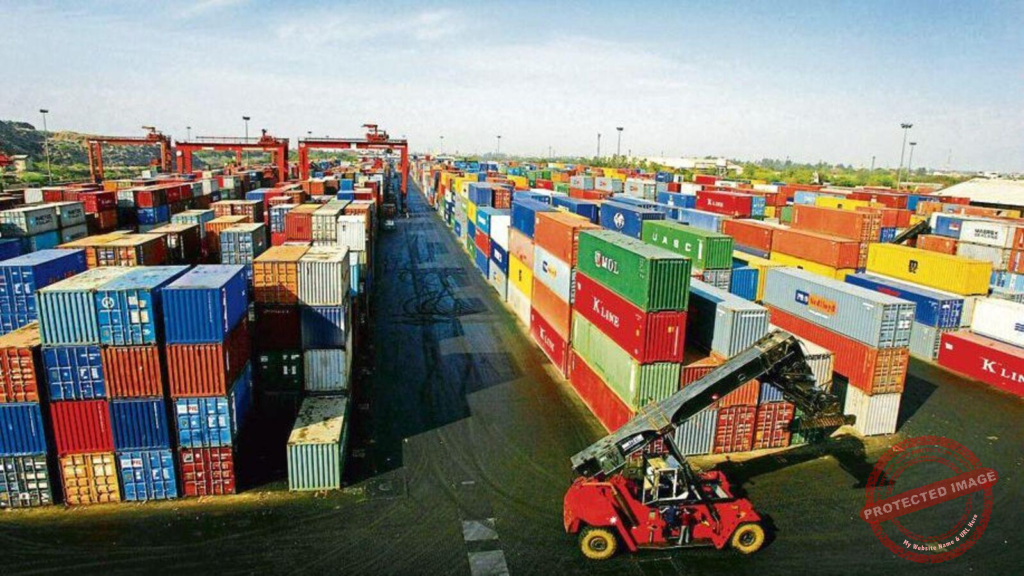
According to the Reserve Bank of India (RBI), the country’s merchandise exports declined marginally by 0.2% during January and February 2026. The central bank has also cautioned that remittance inflows from overseas Indians may weaken in the coming months, adding to external sector concerns.
The warning comes amid a broader slowdown in global economic activity. Growth projections for the world economy in 2026 have been revised downward sharply from 4.7% to 2.7%, largely due to uncertainty triggered by geopolitical conflicts, particularly in the Gulf region, and elevated energy prices.
The World Trade Organization has also flagged concerns in its March report, stating that global trade in goods and services is expected to slow by around 2% compared to 2025. This has had a direct bearing on India’s export performance to major markets.
Data shows that exports to the United States declined by 17.5% during the period, while shipments to the Netherlands and the United Kingdom fell by 14.2% and 6.3% respectively. The decline across key destinations highlights weakening global demand and trade disruptions.
At the same time, India’s trade deficit has widened significantly. The gap between imports and exports increased from $37.1 billion in the same period last year to $61.8 billion in January-February 2026. A major contributor to this surge has been a sharp rise in imports.
Gold imports, in particular, have spiked by an unprecedented 146.1%, driven by both increased demand and soaring prices. Gold prices during the same period rose by 74.4%, further inflating the import bill. Overall merchandise imports grew by 22.2%, adding pressure on the country’s external balance.
Despite the slowdown in trade, there has been a positive trend in foreign investment inflows. During the April-February period of the financial year 2025-26, total foreign direct investment (FDI) rose from $74.7 billion to $88.3 billion. Net FDI also increased from $1.5 billion to $6.3 billion, indicating sustained investor interest in the Indian economy.
Major investment deals were recorded in sectors such as information technology and banking, with global companies including Amazon, Microsoft, Google, General Catalyst, and MUFG Bank participating in significant transactions.
Economists believe that while foreign investments remain strong, the combined impact of slowing exports, rising imports, and global uncertainty could pose challenges for India’s external sector stability in the near term.
The RBI has indicated that it will closely monitor global developments and their implications for India’s economy, especially with regard to trade flows, capital movement, and currency stability.
Follow us On Our Social media Handles :
Instagram
Youtube
Facebook
Twitter
Also Read- Pune