India’s Growth Rate Expected to Rise to 6.9%: Asian Development Bank Forecast

India
India’s economy to grow 6.9 percent in FY 2026-27 driven by domestic demand, easier financing and trade conditions, while inflation trends and global conflicts pose risks.
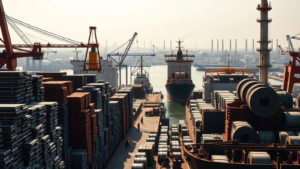
Mumbai, April 11, 2026 Asian Development Bank has projected India’s economic growth to reach 6.9% in fiscal year 2026-27, supported by strong domestic demand, improved credit availability, and easing external trade conditions including reduced US tariffs. This outlook reflects continued resilience in India’s macroeconomic fundamentals despite global uncertainties. The report highlights that sustained consumption within the country, coupled with smoother access to financing for businesses and households, will remain key drivers of expansion. However, the ADB cautioned that geopolitical tensions in West Asia could weigh on performance through higher crude oil prices, disrupted supply chains, and reduced export momentum.
Remittance inflows from overseas Indians may also face pressure if global conditions weaken further. The report highlights inflation trends are expected to remain mixed. After a period of decline in food prices, recent increases in essential commodities have added upward pressure. The weakening rupee against the US dollar and rising precious metal prices are also contributing factors. Inflation is projected to rise to around 4.5% in the current financial year compared to 2.1% in the previous year. Towards the end of the fiscal cycle inflation is expected to moderate again, potentially settling near 4% as fuel prices ease and global commodity markets stabilise.
The ADB noted that monetary stability and effective policy management will be crucial in balancing growth and inflation objectives. Economists suggest that India remains one of the fastest-growing major economies, but warn that external shocks such as prolonged conflicts or volatility in energy markets could challenge the forecast trajectory.

Policymakers are expected to maintain focus on domestic demand strength and investment-led growth. Experts note that continued infrastructure spending, digital expansion, and manufacturing incentives under government programs are likely to support medium term growth momentum. However they emphasize that sustained inflation control, stable currency movement, and global energy price stability will remain critical to achieving the projected growth target over the forecast period.
Follow us On Our Social media Handles :
Instagram
Youtube
Facebook
Twitter
Also Read- Pune