Iran Warns US Over Lebanon Strikes as Islamabad Peace Talks Face Uncertainty

Iran
US Vice President JD Vance heads delegation to Islamabad for Iran talks as Tehran threatens boycott over Lebanon strikes and frozen assets, raising doubts about ceasefire stability and diplomatic progress.
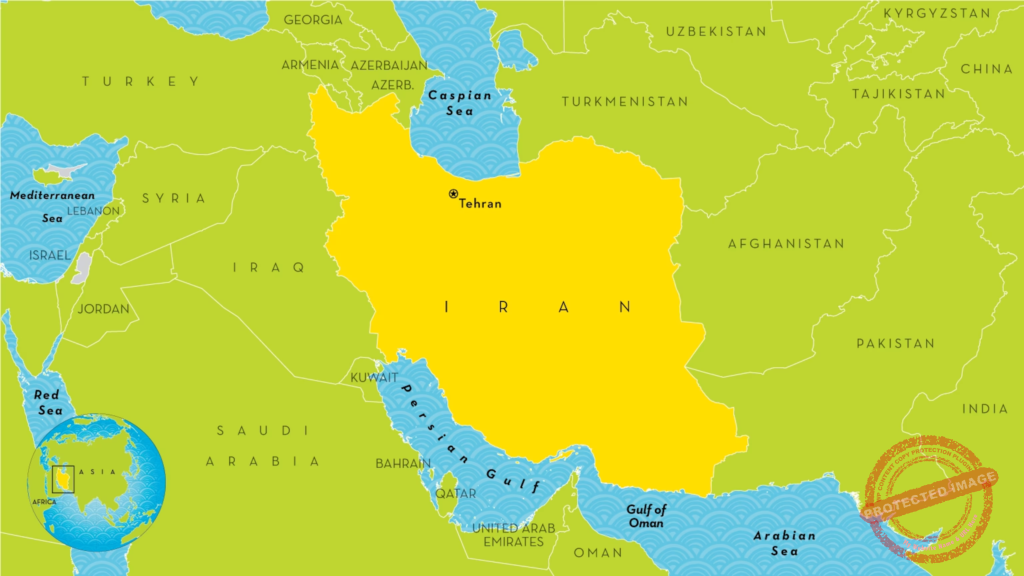
Washington DC, April 11, 2026 : US Vice President JD Vance has travelled to Islamabad leading a high-level American delegation for proposed talks with Iran, even as diplomatic tensions intensify over ongoing violence in Lebanon and unresolved sanctions disputes. Tehran has warned that it may boycott the negotiations unless Israeli strikes in Lebanon are halted and billions of dollars of frozen Iranian assets held in foreign banks are released. The escalation has cast uncertainty over the planned dialogue, which Washington had hoped would strengthen regional stability and revive broader security understanding.
Recent hostilities in Lebanon involving Israel and Hezbollah-linked positions have resulted in heavy casualties and drawn sharp criticism from European leaders, who are urging restraint and inclusion of Lebanon in any ceasefire framework. Meanwhile, tensions surrounding the strategic Hormuz Strait continue to disrupt global energy markets, adding pressure on already fragile economic conditions. Differences have also emerged between Israeli leadership and Washington, with Israeli Prime Minister Benjamin Netanyahu continuing military operations despite calls President Donald Trump for de-escalation.
Iran is also pushing for relief from international sanctions, return of frozen assets, and recognition of its security concerns, while the United States insists on strict limits to uranium enrichment and restrictions on Iran’s missile development program. Both sides remain divided on core issues, raising doubts about whether the Islamabad talks can proceed as planned or achieve any meaningful breakthrough in the near term. Analysts say the success of the talks will depend on whether both sides can separate Lebanon ceasefire demands from the broader nuclear negotiations agenda. They also note that regional allies are closely watching the outcome as any breakdown could further destabilise Middle East security and energy supply routes.
Diplomatic sources indicate that backchannel communications are ongoing in an attempt to prevent a collapse of the dialogue. However trust deficits between Washington and Tehran remain significant amid continued military posturing and economic pressure measures on both sides.
Follow us On Our Social media Handles :
Instagram
Youtube
Facebook
Twitter
Also Read- Pune