Kerala High Court Says “Men Too Have Dignity,” Allows Correction of Father’s Name on Birth Certificate
high court
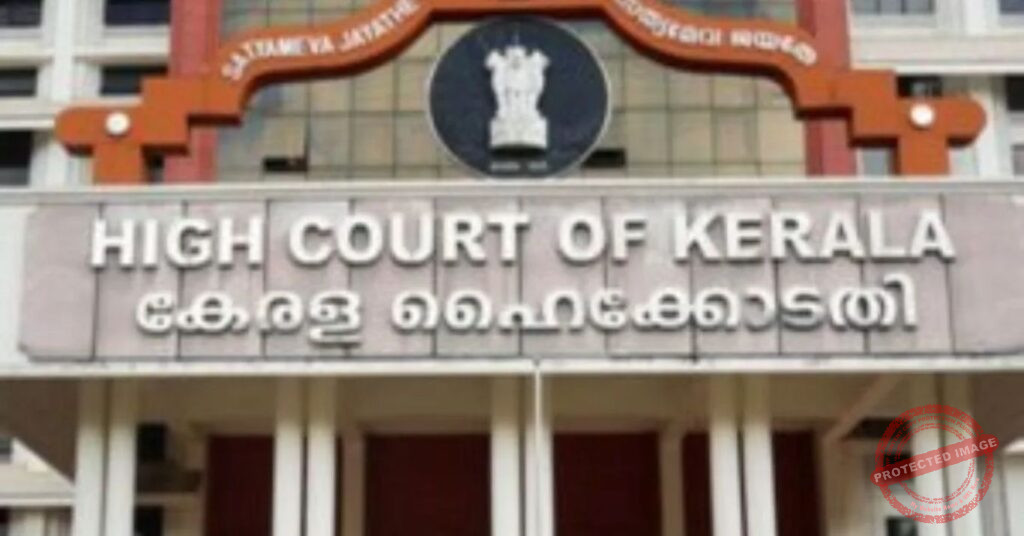
Kerala High Court permits correction of father’s name on birth certificate, stressing that men too have dignity and identity rights under law.
|4 March In a significant judgment touching upon personal dignity and legal identity, the Kerala High Court has allowed the correction of a father’s name on a minor girl’s birth certificate, observing that “men too have dignity, pride and self-respect.”
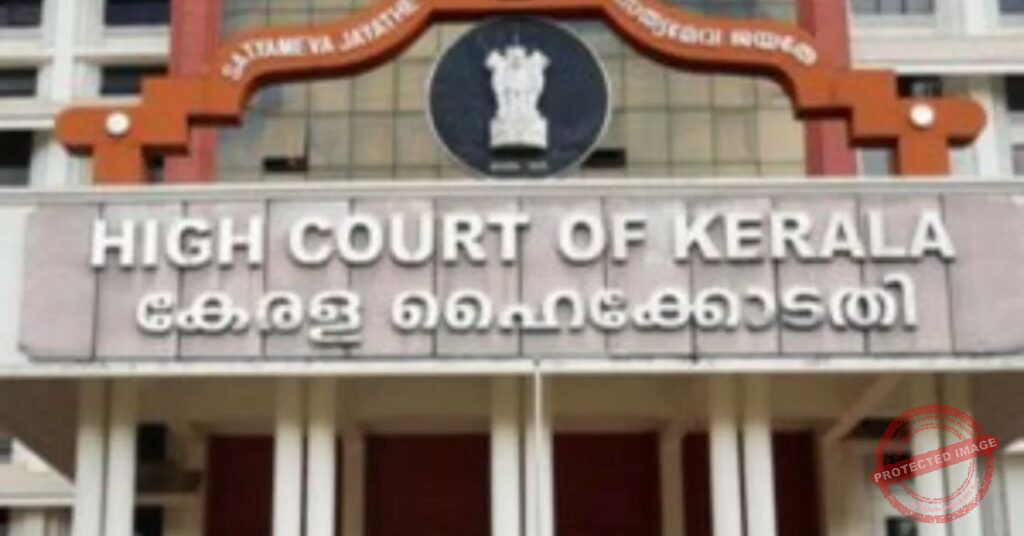
The ruling, delivered by Justice P. V. Kunhikrishnan, addresses a complex family dispute involving paternity, divorce, remarriage and the legal status of a child born during an existing marriage.
The matter arose after a woman, married in 2006, gave birth to a daughter during her marriage. At the time of registration, her husband’s name was recorded as the child’s father. However, it later emerged that the biological father was another man.
Following marital discord, the couple legally separated and obtained a mutual consent divorce in 2023. The woman subsequently married the biological father of the girl. When the child was admitted to school, discrepancies in documentation surfaced, as authorities required accurate details in the birth certificate.
The couple then approached the High Court seeking permission to correct the father’s name in official records.During the hearing, the court made a noteworthy observation: dignity is not a one-sided principle. Justice Kunhikrishnan stated that men, like women, possess dignity, pride, social identity and self-respect, which must be protected under constitutional values.
The court noted that continuing to reflect the former husband’s name as the father, despite biological reality, could cause emotional distress and social humiliation. It also acknowledged the “gentlemanly conduct” of the former husband, who did not oppose the correction request. The judgment carefully balanced the rights of all three individuals – the child, the biological father, and the former husband.
The court examined the provisions of the Registration of Births and Deaths Act, 1969, along with relevant state rules governing corrections in birth records. Generally, such changes require strong documentary evidence or court intervention.
Invoking its powers under Article 226 of the Constitution of India, the High Court directed the concerned municipal authority to make a marginal correction in the birth register, without deleting the original entry. The authority has been instructed to issue a revised birth certificate within 30 days of receiving the application.
To safeguard privacy, the identities of the minor child and the former husband are to remain confidential in public records of the judgment.
Legal experts believe the ruling could influence future cases involving disputed paternity and documentation errors. Courts in India have increasingly emphasized the right to identity as part of Article 21 – the right to life and personal liberty.
The decision also highlights evolving judicial sensitivity toward family complexities in modern India. It reinforces that legal documentation must reflect biological and factual accuracy while ensuring that dignity and privacy are upheld.For the child, the ruling ensures clarity in official records. For the biological father, it legally acknowledges parental identity. And for the former husband, it prevents continued association with a false record.
Follow us On Our Social media Handles :
Instagram
Youtube
Facebook
Twitter
Also Read- Pune